Theme Song
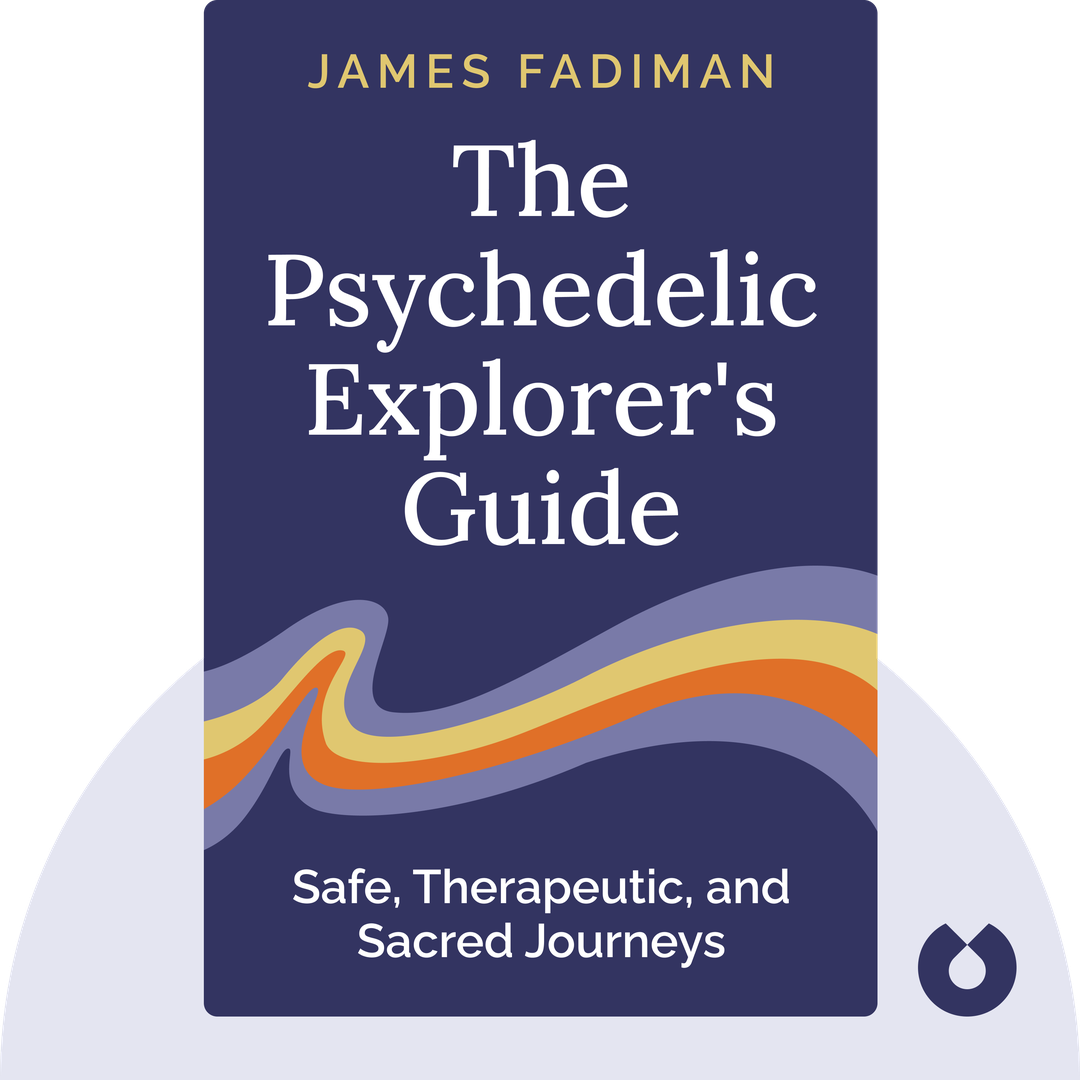
The Psychedelic Explorer's Guide
Start ListeningDownload Try free on iPhoneScan to start in 5 seconds
Categories:
If You're Curious About These Questions...
You should listen to this audiobook
- Did you know that specific, sub-perceptual doses of psychedelics could be the key to unlocking consistent flow states and heightened problem-solving abilities?
- What’s the secret to navigating a psychedelic "voyage" safely while maximizing its potential for deep emotional healing and self-discovery?
- Have you ever wondered why the presence of a trained "guide" can completely transform the outcome of a spiritual or therapeutic experience?
Listen to The Psychedelic Explorer's Guide — Cinematic Audio Edition
Loading player...
Key Takeaways from The Psychedelic Explorer's Guide
- Discover how psychedelics like LSD and psilocybin have evolved from ancient spiritual tools to highly promising modern treatments for PTSD, anxiety, and addiction.
- Understand the truth behind the 1960s anti-drug hysteria and learn how modern science has debunked persistent myths to reveal the true healing potential of psychedelics.
- Master the 'Six S's'—Set, Setting, Substance, Sitter, Session, and Situation—to minimize the risk of a 'bad trip' and ensure a safe, life-affirming journey.
- Learn why you must dedicate at least three full days to a psychedelic experience, allowing ample time to reflect beforehand and properly integrate your profound insights afterward.
- Navigate the seven distinct stages of a psychedelic trip, from the initial onset to the final reintegration, to fully prepare your mind and body for profound emotional and visual peaks.
Learning Tools
Reinforce what you learned from The Psychedelic Explorer's Guide
Mind Map
The Psychedelic Explorer's Guide
History & Resurgence+
The Six S's Framework+
Stages of the Journey+
Problem-Solving & Creativity+
Future Trends+
Quiz — Test Your Understanding
Question 1 of 6
Why was early scientific research into the therapeutic potential of psychedelics shut down in the 1960s?
Question 2 of 6
In the context of the 'Six S’s' for a safe psychedelic journey, what does 'Set' refer to?
Question 3 of 6
According to the guide, what is the recommended approach if a traveler feels frightened or overwhelmed during the 'Opening' phase of their trip?
Question 4 of 6
How does using psychedelics for professional problem-solving differ from a standard therapeutic journey?
Question 5 of 6
What is 'microdosing' as described in the context of recent psychedelic trends?
Question 6 of 6
After completing a full psychedelic session and reintegrating the insights, how long does the guide suggest waiting before undertaking another powerful journey?
The Psychedelic Explorer's Guide — Full Chapter Overview
- 1Recommendation
- 2The mind-bending power in psychedelics
- 3Staying safe using the Six S’s
- 4Guiding your psychedelic journey
- 5Harnessing psychedelics for problem-solving
- 6Psychedelics and their future
The Psychedelic Explorer's Guide Summary & Overview
The Psychedelic Explorer’s Guide (2011) is the definitive manual for psychedelic voyagers and those who guide them. Combining original research, personal reports, and shamanistic tradition, it teaches how to create safe and successful psychedelic experiences that facilitate healing, self-discovery, and creativity.
Who Should Listen to The Psychedelic Explorer's Guide?
- Psychedelic voyagers or those curious about psychedelic experiences
- Therapists and psychology professionals interested in psychedelic-assisted therapy
- Anyone seeking healing from trauma, addiction, anxiety, or depression
Books Similar to The Psychedelic Explorer's Guide
Readers who enjoyed this also liked these titles.