Theme Song
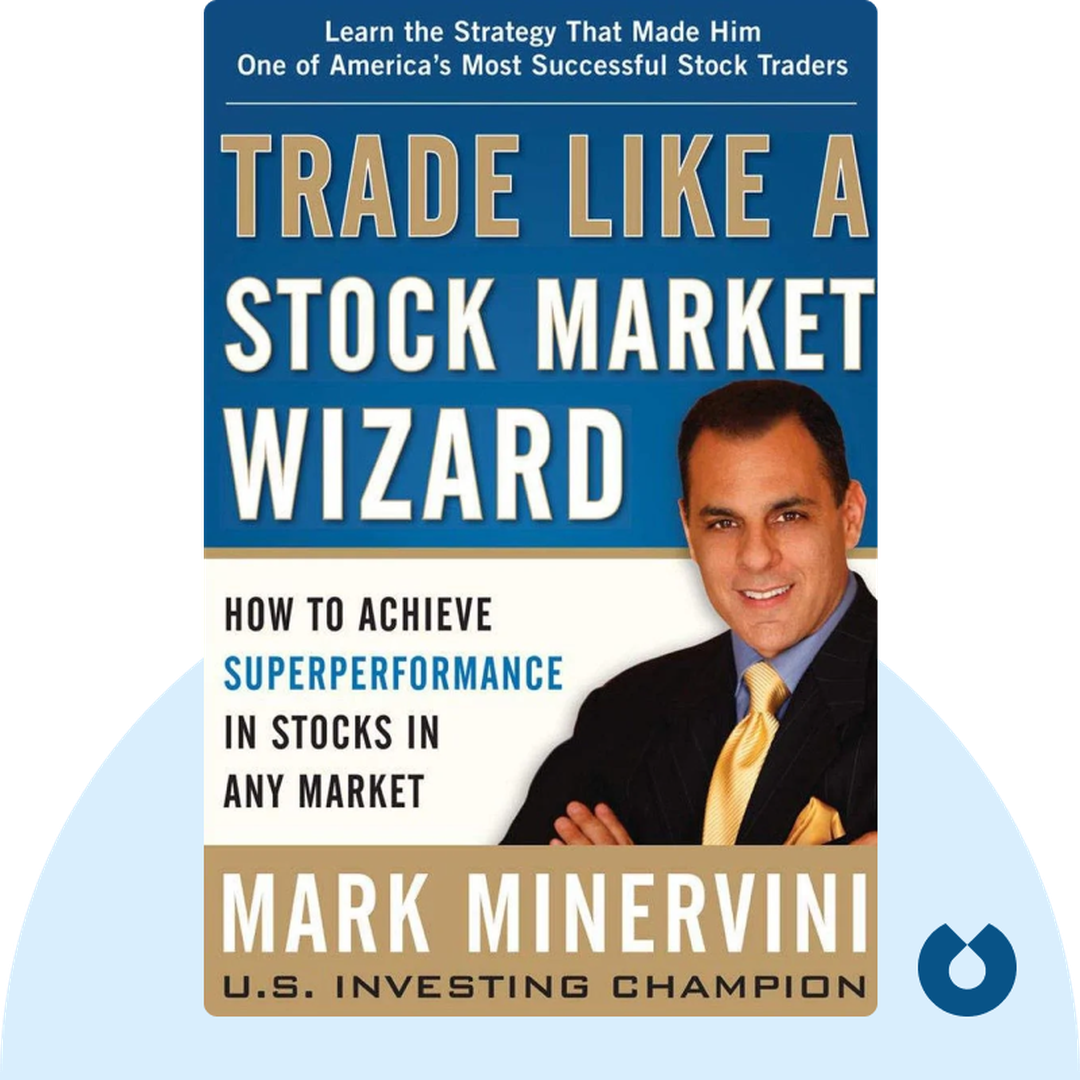
Trade Like a Stock Market Wizard
Start ListeningDownload Try free on iPhoneScan to start in 5 seconds
Categories:
If You're Curious About These Questions...
You should listen to this audiobook
- Did you know that your status as a lay investor might actually be your greatest secret weapon for outperforming the pros on Wall Street?
- What’s the secret to finding the 'Specific Entry Point' that allows a trader to catch a stock right before it makes a massive move?
- Have you ever wondered how to achieve triple-digit returns while actually taking on less risk than the average investor?
Listen to Trade Like a Stock Market Wizard — Cinematic Audio Edition
Loading player...
Key Takeaways from Trade Like a Stock Market Wizard
- Understand why successful stock market trading relies on skill, hard work, and surgical precision rather than gambling or sheer luck.
- Discover why you should ignore a company's past reputation and instead focus on positive earnings surprises that signal continuous future growth.
- Learn how independent investors possess a distinct advantage over institutional professionals who are handicapped by liquidity constraints and cautious board committees.
- Master the Specific Entry Point Analysis (SEPA) methodology to identify fast-growing companies driven by a definitive spark like a new product or partnership.
- Find out why perfectly timing your entry into relatively unknown, early-stage companies is essential for capturing massive upward momentum at a lower risk.
Learning Tools
Reinforce what you learned from Trade Like a Stock Market Wizard
Mind Map
Trade Like a Stock Market Wizard
Mindset & Psychology+
Institutional Disadvantages+
Earnings & Growth Focus+
SEPA Strategy+
Rethinking Valuation+
Quiz — Test Your Understanding
Question 1 of 7
According to the text, what is a crucial lesson regarding a company's pedigree or reputation in the stock market?
Question 2 of 7
How does the 'cockroach effect' apply to a company's quarterly earnings in a positive context?
Question 3 of 7
Why do professional money managers at large investment firms often operate at a disadvantage compared to independent investors?
Question 4 of 7
When looking for potential 'superstar' stocks using the Specific Entry Point Analysis (SEPA) strategy, what type of company should an investor primarily look for?
Question 5 of 7
What is a critical component of the SEPA methodology regarding the management of risk?
Question 6 of 7
According to Mark Minervini, how should an investor interpret a stock with a very high Price/Earnings (P/E) ratio?
Question 7 of 7
What is the author's advice regarding investing in stocks that appear to be a 'good deal' or 'on sale'?
Trade Like a Stock Market Wizard — Full Chapter Overview
- 1Recommendation
- 2Concentrate on earnings.
- 3Don't trade like a pro.
- 4The basics of Specific Entry Point Analysis
- 5The real thing holding you back isn’t the market – it’s you.
Trade Like a Stock Market Wizard Summary & Overview
Trade Like a Stock Market Wizard (2013) is a guide to the SEPA (Specific Entry Point Analysis) investment methodology. It navigates you through managing risk, maximizing profits, and, most importantly, having faith in your own ability. You don’t have to be a professional to get started in the stock market – in fact, your status as a lay investor might actually be your biggest strength.
Who Should Listen to Trade Like a Stock Market Wizard?
- Anyone curious about how to get started in trading
- Stock market geeks
- Seasoned wealth managers
Books Similar to Trade Like a Stock Market Wizard
Readers who enjoyed this also liked these titles.