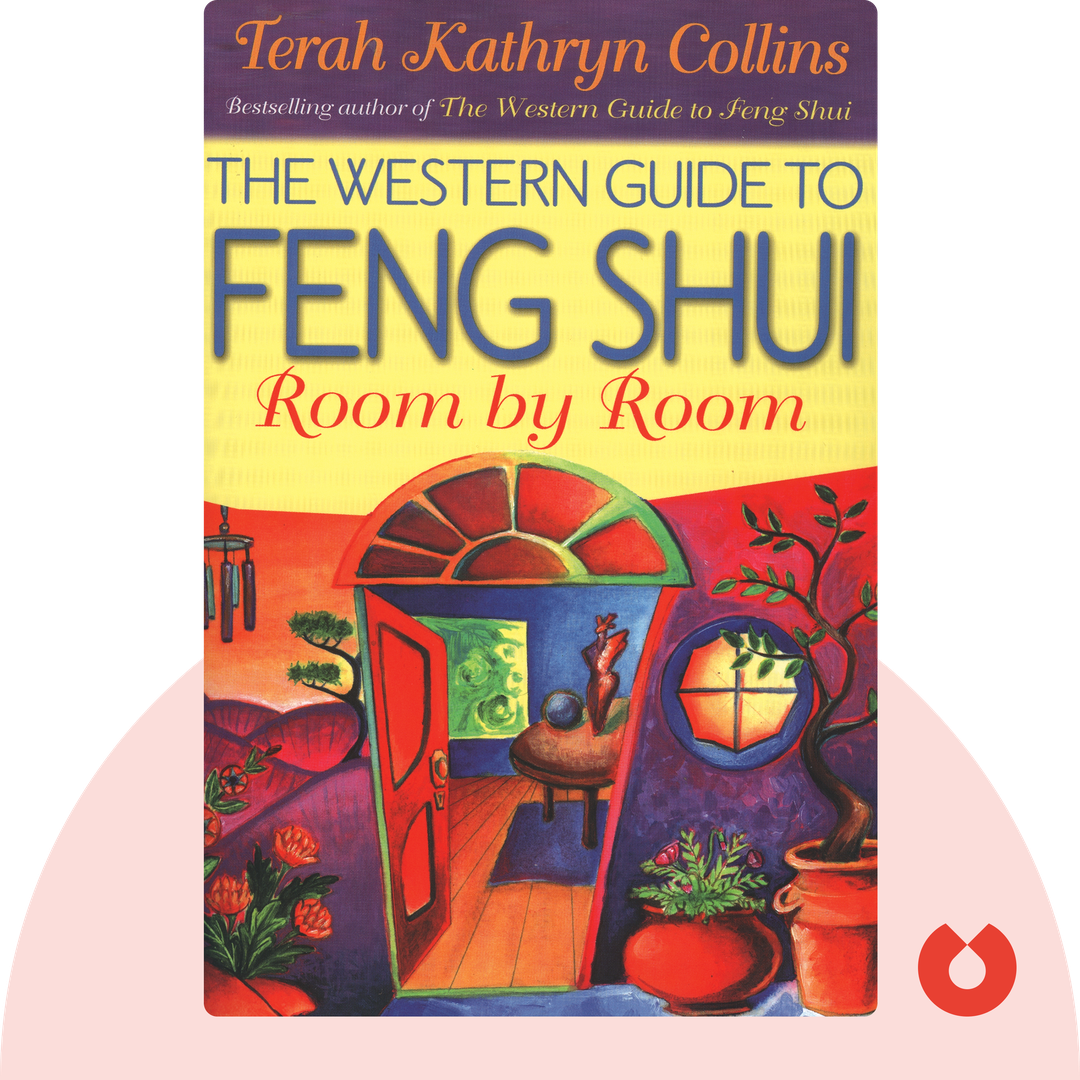
The Western Guide to Feng Shui
Start ListeningDownload Try free on iPhoneScan to start in 5 seconds
Categories:
If You're Curious About These Questions...
You should listen to this audiobook
- Have you ever wondered why specific areas of your home could be the hidden key to your career success or relationship health?
- What if you could transform your living space from a source of stress into a nourishing sanctuary with just a few simple adjustments?
- Did you know that the way you arrange your furniture might be the silent culprit behind your creative blocks or feelings of exhaustion?
Listen to The Western Guide to Feng Shui — Free Audiobook
Loading player...
Key Takeaways from The Western Guide to Feng Shui
- Understand the three core principles of Ch'i—that everything is alive, connected, and constantly changing—to intentionally guide the energy in your home.
- Discover how to balance yin and yang qualities and harmonize the five elements of wood, fire, earth, metal, and water using specific materials, colors, and shapes.
- Learn how to manage the flow of energy through structural openings by strategically placing plants, art, or furniture to prevent Ch'i from rushing out too quickly.
- Transform cold environments and soften sharp architectural corners by integrating natural elements like plants, rocks, and water to infuse your living space with vital energy.
- Master the use of the Bagua Map, a nine-square grid based on the ancient I Ching, to connect specific physical areas of your home to vital life facets like health and love.
Learning Tools
Reinforce what you learned from The Western Guide to Feng Shui
Mind Map
The Western Guide to Feng Shui
Core Philosophy & Ch'i+
Balancing Forces & Elements+
Harmonizing Structural Details+
The Bagua Map+
Tools to Enhance Ch'i+
Quiz — Test Your Understanding
Question 1 of 7
According to the text, what are the three fundamental principles to understand about Ch’i before working with it in Feng Shui?
Question 2 of 7
How does Feng Shui suggest balancing an intensely "yang" room that is overly expansive and flooded with light?
Question 3 of 7
What is a common Feng Shui issue with having large windows and doors directly facing each other, and how can it be resolved?
Question 4 of 7
How should you determine the placement of the Bagua Map over your living space?
Question 5 of 7
If your bathroom is located in the "love and marriage" area of the Bagua Map, what does Feng Shui recommend?
Question 6 of 7
Why are mirrors referred to as the "aspirin" of Feng Shui?
Question 7 of 7
According to the text, what is an effective way to address the empty space created by ceilings that are too high?
The Western Guide to Feng Shui — Full Chapter Overview
- 1Recommendation
- 2Channel the flow of Ch’i
- 3Harmonize the elements surrounding you
- 4Ways to harmonize structural details
- 5Explore the power of the Bagua Map
- 6Boosting Ch’i with simple tools
The Western Guide to Feng Shui Summary & Overview
The Western Guide to Feng Shui (1996) is a practical handbook for harnessing the ancient Chinese art of placement. Blending common sense with timeless wisdom, this guide empowers you to see your home in a new light and transform your living space into a peaceful, nourishing and uplifting sanctuary.
Who Should Listen to The Western Guide to Feng Shui?
- Those moving into a new space and wanting to start off right
- Anyone feeling overwhelmed or drained by their home or workplace
- People seeking more creativity, prosperity, and positivity in their lives
Books Similar to The Western Guide to Feng Shui
Readers who enjoyed this also liked these titles.