If You're Curious About These Questions...
You should listen to this audiobook
- Have you ever wondered how your individual pursuit of self-interest could actually be the secret engine behind a nation’s entire prosperity?
- Did you know that the most powerful force for economic growth might not be a government strategy, but an 'invisible hand' that thrives on freedom?
- Are you curious about how a simple shift in how we organize labor can turn a small workshop into a massive wealth-generating machine for an entire country?
Listen to The Wealth of Nations — Cinematic Audio Edition
Loading player...
Key Takeaways from The Wealth of Nations
- Discover how implementing a division of labor dramatically increases productivity by allowing workers to specialize, save time, and foster innovation.
- Understand why a nation's true wealth is measured by its ability to produce tradable goods through labor, rather than the hoarding of precious metals.
- Learn how the 'invisible hand' operates by channeling individual self-interest into natural market regulation, better product quality, and overall societal economic growth.
- Uncover the fundamental flaws of mercantilism and see why nations grow richer through free trade rather than trying to impoverish their neighbors.
- Find out why maximizing economic growth requires a free market with limited government intervention, restricting the state's role strictly to defense, justice, and essential public works.
Learning Tools
Reinforce what you learned from The Wealth of Nations
Mind Map
The Wealth of Nations
Division of Labor+
Redefining Wealth+
The Invisible Hand+
Free Markets & Government+
Quiz — Test Your Understanding
Question 1 of 5
According to the text, how does a division of labor significantly increase productivity?
Question 2 of 5
Which of the following best describes the economic strategy of 'mercantilism' criticized by Adam Smith?
Question 3 of 5
Based on the text, what is the key difference between 'fixed capital' and 'circulating capital'?
Question 4 of 5
How does an individual's self-interest act as an 'invisible hand' that benefits society as a whole?
Question 5 of 5
According to Adam Smith, what should be the role of the government in a nation's economy?
The Wealth of Nations — Full Chapter Overview
- 1Recommendation
- 2The Flood and the Train
- 3Patna Under Water
- 4The Message from Bundarbar
- 5Gold in the Guard’s Van
- 6The Chase Turns Hollow
- 7Dassar Burns
- 8Hostages of the Raj
- 9The Signal Box
- 10Gold Beneath the Earth
The Wealth of Nations Summary & Overview
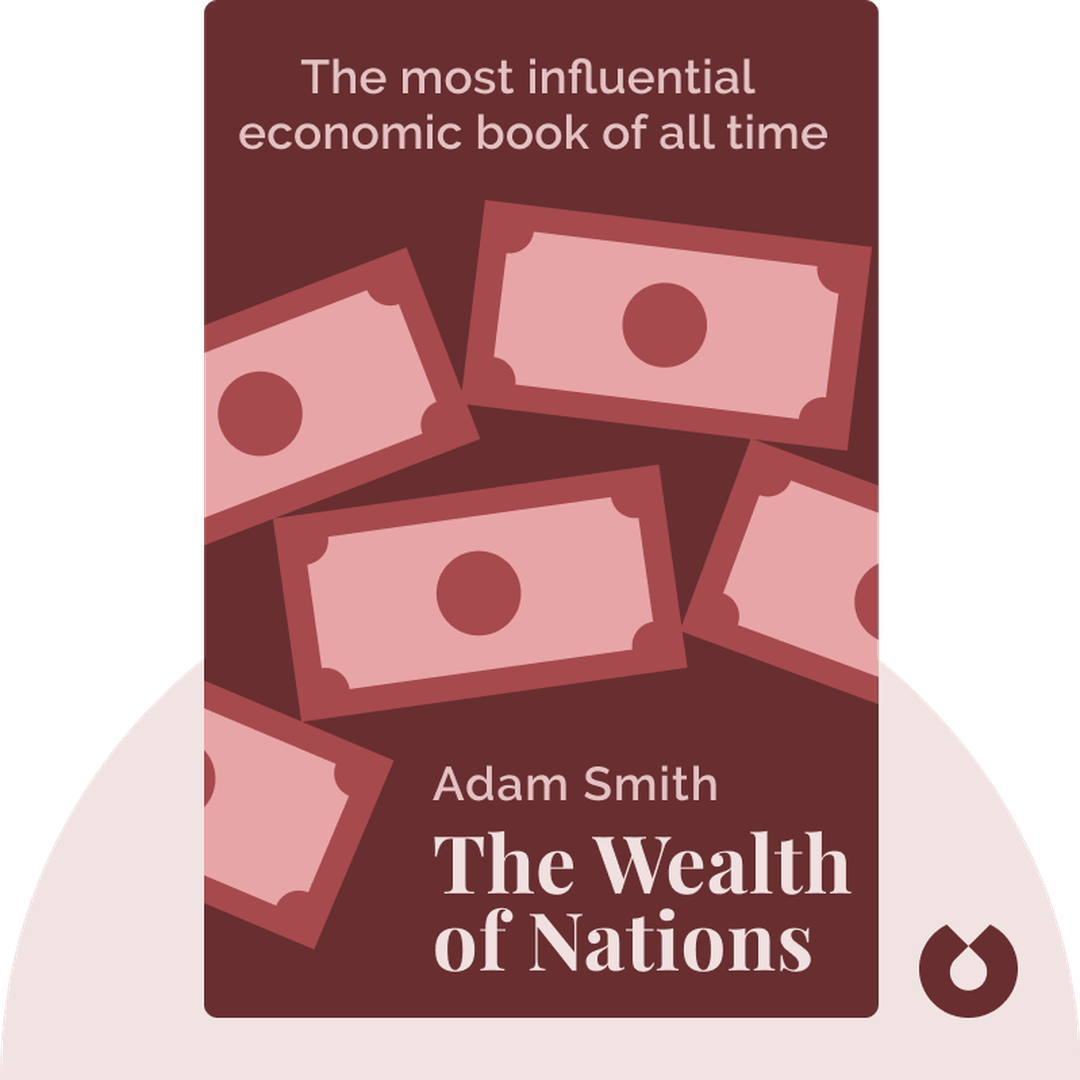
The Wealth of Nations is a profoundly influential work in the study of economics and examines exactly how nations become wealthy. Adam Smith advocates that by allowing individuals to freely pursue their own self-interest in a free market, without government regulation, nations will prosper.
Who Should Listen to The Wealth of Nations?
- Anyone who wants to understand the foundations of capitalism and the free market
- Anyone curious about the core tenets of a fundamental work of economic theory
Books Similar to The Wealth of Nations
Readers who enjoyed this also liked these titles.