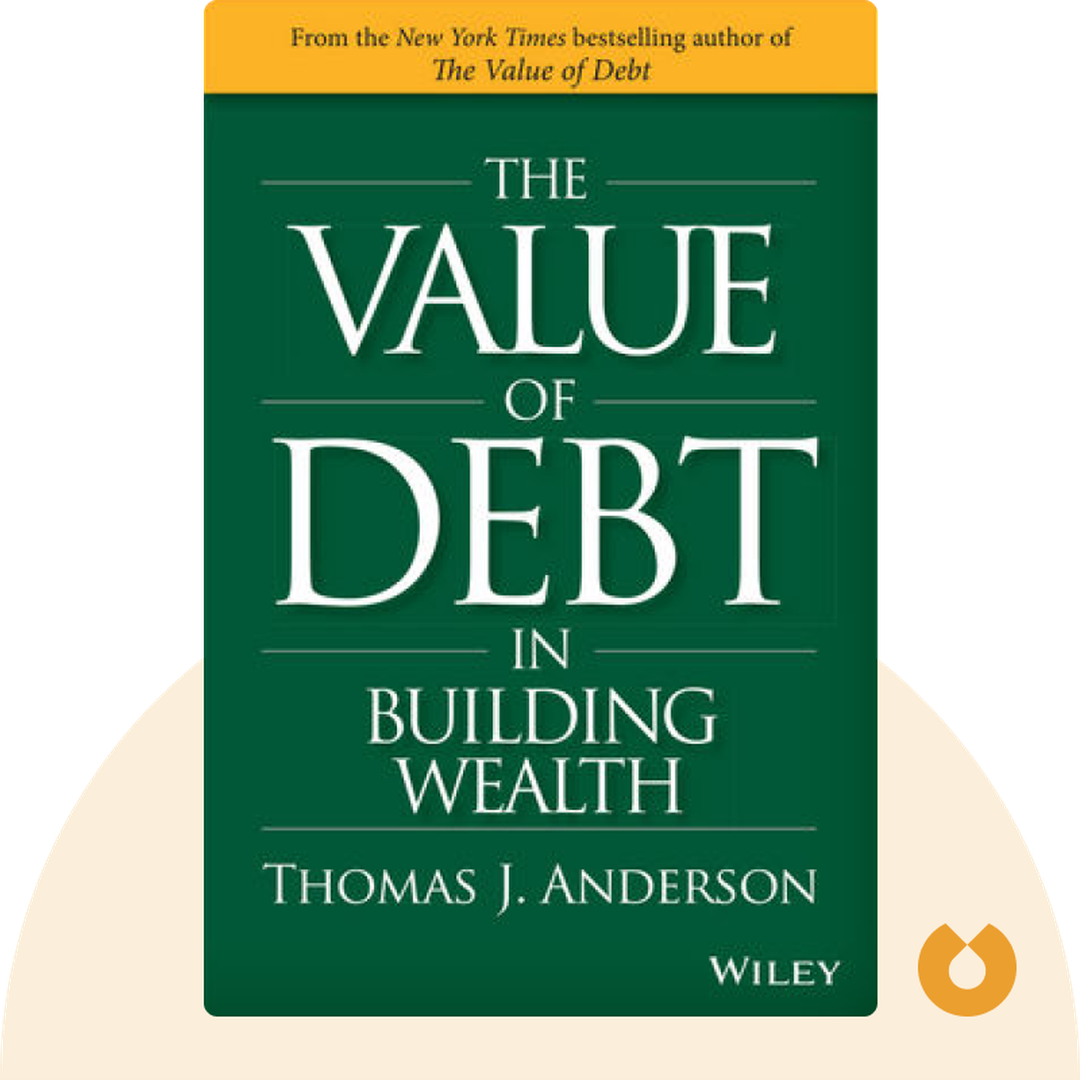
The Value of Debt in Building Wealth
Start ListeningDownload Try free on iPhoneScan to start in 5 seconds
Categories:
If You're Curious About These Questions...
You should listen to this audiobook
- Did you know that some of the world's most successful investors treat debt as a valuable asset rather than a financial burden?
- Have you ever wondered why strictly paying off your mortgage as fast as possible might actually be holding you back from true wealth?
- What if you could manage your personal finances like a major corporation to maximize your liquidity and long-term net worth?
Listen to The Value of Debt in Building Wealth — Cinematic Audio Edition
Loading player...
Key Takeaways from The Value of Debt in Building Wealth
- Discover why carrying low-interest debt instead of paying it off quickly can actually yield a larger retirement nest egg by giving your investments time to compound.
- Learn how to distinguish between oppressive, high-interest obligations like credit cards and enriching, tax-deductible debts like mortgages to strategically build wealth.
- Understand the crucial role of liquidity and why stockpiling accessible cash gives you the flexibility to comfortably weather unexpected financial emergencies.
- Find out how comparing your net worth to your annual income determines your current stage in the four phases of financial LIFE: Launch, Independence, Freedom, and Equilibrium.
- Master the transition to financial independence by setting realistic three-to-five-year targets to eliminate bad debt, build a one-month cash buffer, and fund a retirement account.
Learning Tools
Reinforce what you learned from The Value of Debt in Building Wealth
Mind Map
The Value of Debt in Building Wealth
Redefining Debt+
Core Financial Concepts+
The 4 Phases of Financial LIFE+
Smart Investing Strategies+
Actionable Takeaways+
Quiz — Test Your Understanding
Question 1 of 8
According to the book, why did the 'Radical' family end up with more money for retirement than the 'Nada' family?
Question 2 of 8
How does the author distinguish between 'oppressive' (bad) debt and 'enriching' (good) debt?
Question 3 of 8
What is the primary value of maintaining 'liquidity' in your personal finances?
Question 4 of 8
How do you determine if you are in the 'Launch' phase of your financial LIFE?
Question 5 of 8
In the 'Freedom' phase, what strategy does the author recommend for achieving a healthy debt-to-asset ratio?
Question 6 of 8
What does the financial concept of 'capturing the spread' refer to?
Question 7 of 8
Why does the author recommend a diversified investment policy rather than picking individual winning stocks to beat debt?
Question 8 of 8
According to the book's actionable advice, why might renting sometimes be a smarter financial decision than buying a home?
The Value of Debt in Building Wealth — Full Chapter Overview
- 1Recommendation
- 2Debt can be useful if it’s managed wisely.
- 3Avoid harmful debt, stockpile cash, and make wise investments.
- 4Start your financial LIFE with targeted savings.
- 5Achieve financial freedom by building assets.
- 6To outpace debt, a diversified portfolio is a wise investment.
The Value of Debt in Building Wealth Summary & Overview
The Value of Debt in Building Wealth (2017) is a practical guide to managing your personal finances. Rather than condemning spending, this handbook presents strategies to make debt its own asset.
Who Should Listen to The Value of Debt in Building Wealth?
- Penny-pinchers looking for a reason to spend
- Young savers looking to maximize their wealth
- Anyone curious to learn more about personal finance
Books Similar to The Value of Debt in Building Wealth
Readers who enjoyed this also liked these titles.