A Calm, Fact-Based Guide to the Vagina and Vulva (Inspired by Dr. Jen Gunter’s Approach) audiobook cover - Step into a gentle, evidence-based conversation that replaces shame and internet myths with clear anatomy, practical self-care, and steady reassurance—so the vagina and vulva can be understood with comfort, confidence, and respect.

A Calm, Fact-Based Guide to the Vagina and Vulva (Inspired by Dr. Jen Gunter’s Approach)

Step into a gentle, evidence-based conversation that replaces shame and internet myths with clear anatomy, practical self-care, and steady reassurance—so the vagina and vulva can be understood with comfort, confidence, and respect.

Jen Gunter

4.3 / 5(4 ratings)

If You're Curious About These Questions...

You should listen to this audiobook

Listen to A Calm, Fact-Based Guide to the Vagina and Vulva (Inspired by Dr. Jen Gunter’s Approach) — Free Audiobook

Loading player...

Key Takeaways from A Calm, Fact-Based Guide to the Vagina and Vulva (Inspired by Dr. Jen Gunter’s Approach)

Learning Tools

Reinforce what you learned from A Calm, Fact-Based Guide to the Vagina and Vulva (Inspired by Dr. Jen Gunter’s Approach)

Mind Map

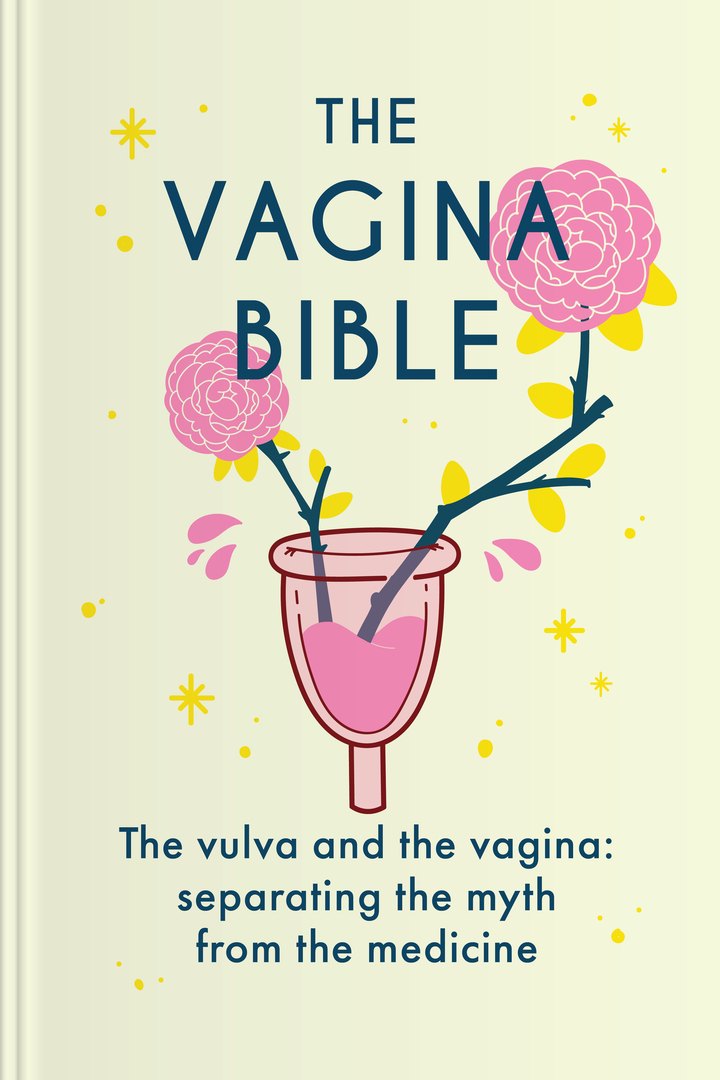
The Vagina Bible
Anatomy+
Hygiene & Care+
Sex & Orgasms+
Menstruation+
Life Stages+
Infections & Conditions+
STIs & Protection+
Healthcare & Advocacy+

Quiz — Test Your Understanding

Question 1 of 10
According to the text, what is the primary role of lactobacilli in the vagina?
  • A. To produce estrogen that thickens the vaginal walls.
  • B. To create lactic acid which maintains a healthy, acidic pH.
  • C. To trigger the rhythmic contractions of the pelvic floor muscles.
  • D. To secrete fluids that lubricate the vulva during arousal.
Question 2 of 10
Which of the following accurately describes the anatomy of the clitoris?
  • A. It is a small, visible button-like structure located entirely on the outside of the vulva.
  • B. It is a Y-shaped structure with four arms that extend beneath the labia and connect to the vagina and urethra.
  • C. It is a pair of glands located on either side of the urethra that swell during sexual arousal.
  • D. It is a muscular tube that connects the vulva to the cervix.
Question 3 of 10
What is the medical consensus on vaginal douching and cleaning the inside of the vagina?
  • A. Douching with plain water is recommended to maintain a healthy microbiome.
  • B. The vagina is self-cleaning, and douching actively harms the vaginal ecosystem and increases STI risk.
  • C. Mild soaps with a pH of 5.5 should be used weekly to prevent yeast infections.
  • D. Douching is only necessary after menstruation to clear out residual tissue and blood.
Question 4 of 10
Based on the text, what does current medical evidence suggest about the 'vaginal orgasm' and the 'G-spot'?
  • A. They are distinct physiological events separate from clitoral stimulation.
  • B. They are easily achieved through penetrative sex alone for the majority of women.
  • C. There is no high-quality evidence they exist; sensations are likely due to the internal structure of the clitoris.
  • D. They are caused by the secretion of fluids from Skene's glands during arousal.
Question 5 of 10
The widespread fear that leaving a tampon in too long can be deadly primarily stems from:
  • A. A faulty tampon called Relay released in the 1970s that greatly increased the risk of Menstrual Toxic Shock Syndrome (mTSS).
  • B. The natural overgrowth of Candida albicans during the menstrual cycle.
  • C. The use of fragranced pads and tampons that alter the vaginal pH.
  • D. A recent spike in mTSS cases across the United States in 2015.
Question 6 of 10
Which practice is supported by medical evidence to help reduce vaginal tearing during childbirth?
  • A. Shaving the vulva completely before delivery.
  • B. Cleaning the vulva with an antiseptic prior to labor.
  • C. Performing perineal massages in the weeks before and during birth.
  • D. Applying estrogen creams to the vaginal tissue during the third trimester.
Question 7 of 10
Why is it important to consult a doctor before self-treating a suspected yeast infection with over-the-counter remedies?
  • A. Over half of the women who self-diagnose a yeast infection actually have a different condition.
  • B. Yeast infections can only be cured by increasing the intake of probiotics and lactobacilli.
  • C. Home remedies like tea tree oil and garlic are highly effective but require a doctor's prescription.
  • D. Most yeast infections are actually caused by the human papilloma virus (HPV).
Question 8 of 10
Which of the following statements about the Human Papilloma Virus (HPV) is true according to the text?
  • A. It is a rare virus that only affects women who do not use condoms.
  • B. Over 80 percent of women get it in their lifetime, and there is a safe, effective vaccine for it.
  • C. It always presents with severe symptoms like genital warts and pelvic pain.
  • D. It can be effectively cured using a class of drugs called azoles.
Question 9 of 10
When researching vaginal wellness products, why should consumers be wary of terms like 'pure', 'natural', or 'detoxifying'?
  • A. These terms indicate the product contains high levels of lactic acid which can burn the mucosa.
  • B. These words have no real medical meaning regarding safety or effectiveness and are largely used for marketing.
  • C. Products with these labels usually contain spermicides that disrupt the vaginal ecosystem.
  • D. Natural products often contain latent herpes viruses that can trigger an outbreak.
Question 10 of 10
According to the actionable advice in the text, what is the simplest and most effective lifestyle change to improve vaginal health?
  • A. Adopting a diet rich in pineapple and citrus fruits.
  • B. Quitting smoking, as it is linked to bacterial vaginosis, painful periods, and menopause symptoms.
  • C. Using coconut oil as a daily internal moisturizer.
  • D. Taking daily probiotic supplements to boost lactobacilli production.

A Calm, Fact-Based Guide to the Vagina and Vulva (Inspired by Dr. Jen Gunter’s Approach) — Full Chapter Overview

A Calm, Fact-Based Guide to the Vagina and Vulva (Inspired by Dr. Jen Gunter’s Approach) Summary & Overview

This warm, shame-free audio summary invites listeners into a calmer relationship with their bodies—one grounded in accurate anatomy, realistic expectations, and practical guidance. Instead of treating the vagina as mysterious or “problematic,” it offers a steady understanding of what’s normal, what deserves medical attention, and what’s simply marketing dressed up as “wellness.”

Across the chapters, the narration untangles common myths about smell, cleanliness, sex, diet, periods, STIs, and cosmetic procedures. The throughline is reassuring: most of the time, the healthiest approach is simpler than culture suggests—learn the facts, notice meaningful changes, and let the body do what it’s built to do.

Who Should Listen to A Calm, Fact-Based Guide to the Vagina and Vulva (Inspired by Dr. Jen Gunter’s Approach)?

  • Anyone who grew up with silence, shame, or confusion around the vagina and vulva and wants a kinder, more factual understanding
  • Listeners who feel overwhelmed by online “feminine hygiene” advice and want a grounded, science-aligned perspective
  • People seeking practical guidance on periods, menstrual products, contraception, and STI awareness—without fear-based messaging

About the Author: Jen Gunter

This narration is a rewritten audio-style summary of content presented in the prompt, reflecting the broader public-education approach often associated with Dr. Jen Gunter’s work: direct, evidence-focused, and supportive. It is not a substitute for personal medical care; it’s an educational guide meant to reduce stigma and clarify common misunderstandings.

🎧
Listen in the AppOffline playback & background play
Get App