Theme Song
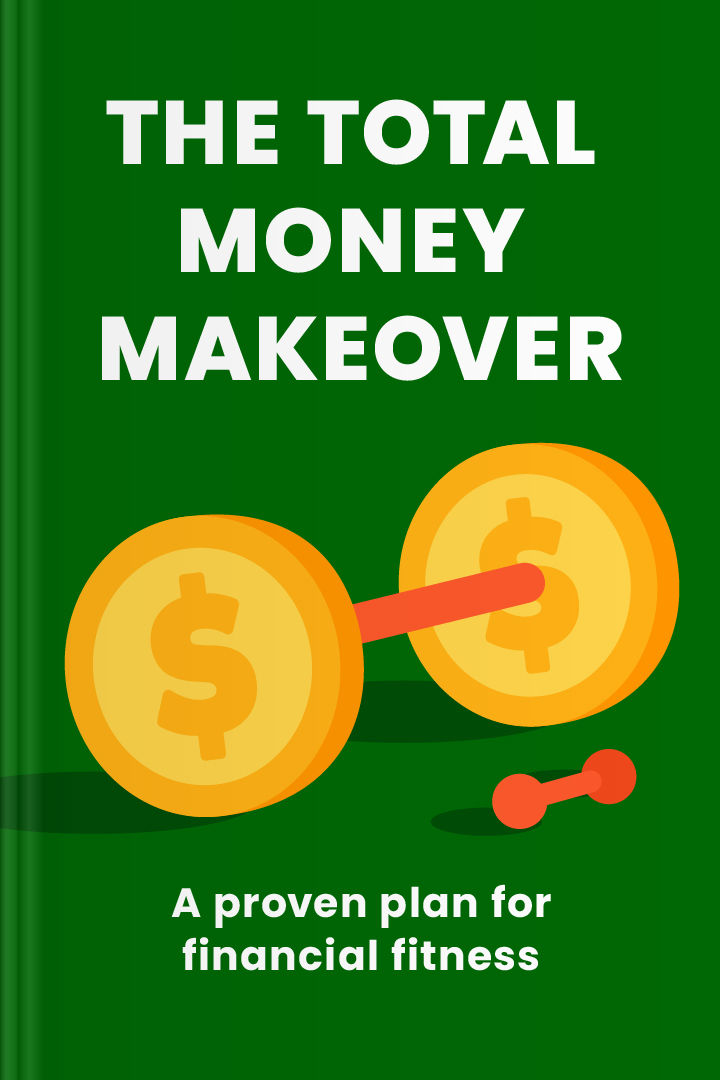
The Total Money Makeover
Start ListeningDownload Try free on iPhoneScan to start in 5 seconds
Categories:
If You're Curious About These Questions...
You should listen to this audiobook
- What's the secret to breaking the cycle of debt when logic and math alone haven't been enough to change your habits?
- What if you could follow a simple, seven-step sequence that transforms your financial anxiety into a clear path toward building lasting wealth?
- Have you ever wondered why 'doing what everyone else does' with money is the biggest obstacle to your financial freedom?
Listen to The Total Money Makeover — Free Audiobook
Loading player...
Key Takeaways from The Total Money Makeover
- Understand why building wealth is less about mastering complicated financial formulas and more about committing to consistent, everyday behavioral changes.
- Discover how taking absolute ownership of your financial choices—rather than blaming the economy or external factors—is the crucial first step to eliminating money stress.
- Learn why settling for a 'just fine' financial situation is a sneaky form of denial that keeps you trapped, and how to embrace the discomfort of change before a crisis forces it.
- Recognize the dangerous mental trap of confusing true affordability with simply being able to make a monthly payment, saving your future from silent financial suffocation.
- Master the art of delaying instant gratification to reject society's pressure of 'having it now,' allowing you to choose long-term stability over suffocating debt.
Learning Tools
Reinforce what you learned from The Total Money Makeover
Mind Map
The Total Money Makeover
Financial Reality & Mindset+
The Seven Baby Steps+
Quiz — Test Your Understanding
Question 1 of 8
According to the book, what is the most fundamental 'problem' that needs to be addressed to fix one's finances?
Question 2 of 8
The book states that 'Just fine is' the enemy of the best. What does this mean in a financial context?
Question 3 of 8
How does the book challenge the myth that 'debt is a tool' for building personal wealth?
Question 4 of 8
What is the primary psychological reason for using the 'debt snowball' method of paying off the smallest debts first?
Question 5 of 8
What is the primary function of a fully funded emergency fund as described in the book?
Question 6 of 8
Once out of debt (except the house) with a full emergency fund, what specific investing guideline does the book recommend for retirement?
Question 7 of 8
When a person has successfully built significant wealth, the book advises a three-part approach to handling the money. What are these three parts?
Question 8 of 8
What does the final chapter emphasize as the most crucial aspect of making the 'Total Money Makeover' plan work?
The Total Money Makeover — Full Chapter Overview
- 1Recommendation
- 2Meeting Yourself Honestly
- 3Ending the Quiet Bargain with Denial
- 4Choosing Patience Over Payments
- 5Momentum: The Snowball That Changes Everything
- 6Building a Safety Net for Real Life
- 7Paying Future You with Consistent Investing
- 8Wealth with Purpose: Enjoy, Grow, and Give
- 9Your Plan, Your Next Step
The Total Money Makeover Summary & Overview
This narration walks through a simple, behavior-centered approach to personal finance made popular by Dave Ramsey: a sequence of “baby steps” designed to help people move from constant money anxiety to stability, then from stability to long-term wealth.
Along the way, the focus stays on everyday choices—spending patterns, borrowing habits, and consistency—because the heart of the method is not complicated math. It’s learning to make calm, intentional decisions with money, even when culture pushes the opposite.
Who Should Listen to The Total Money Makeover?
- People who feel stuck in debt cycles and want a clear, step-by-step plan to regain control.
- Families trying to build a safety cushion, invest for retirement, and reduce money stress at home.
- Anyone who knows what they “should” do with money, but wants support changing the habits that make it hard to follow through.
Books Similar to The Total Money Makeover
Readers who enjoyed this also liked these titles.