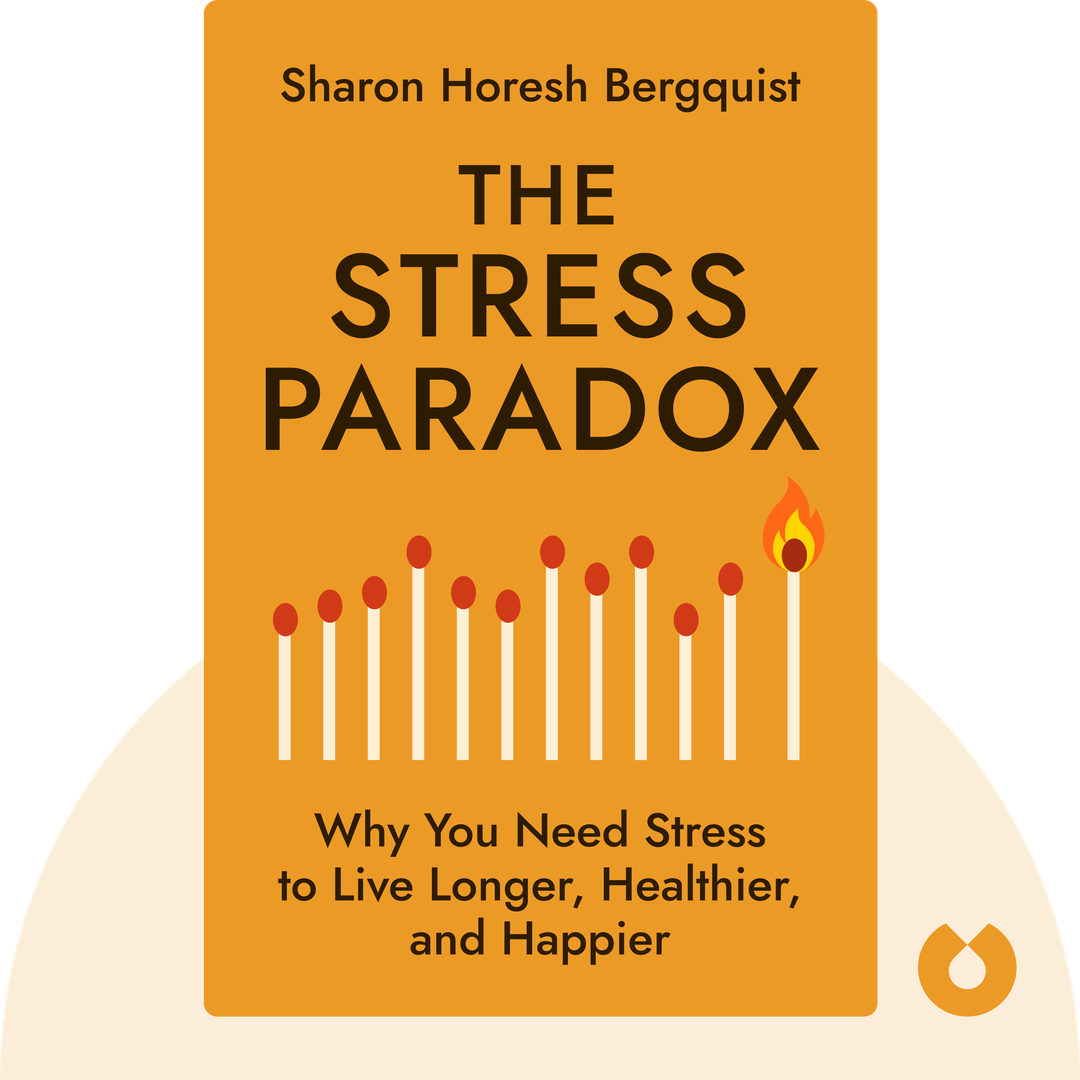
If You're Curious About These Questions...
You should listen to this audiobook
- Did you know that the very stress you’ve been trying to avoid might actually be the secret to becoming smarter, stronger, and more resilient?
- What if you could transform your body's reaction to pressure into a hidden superpower that boosts your long-term health and wellbeing?
- Have you ever wondered why the most successful and healthy people don't try to eliminate stress, but instead use it to thrive?
Listen to The Stress Paradox — Free Audiobook
Loading player...
Key Takeaways from The Stress Paradox
- Discover why 'good stress,' known as hormesis, is essential for triggering your cells to repair damage, boost defenses, and build long-lasting physical and mental resilience.
- Learn how to combat a sedentary modern lifestyle by implementing the five-stage Stress Paradox Protocol, which incorporates diet, exercise, temperature exposure, and cognitive challenges.
- Understand how plant-based phytochemicals act as mild, beneficial toxins that activate your body's internal defense systems, promote DNA repair, and encourage cellular cleanup.
- Find out why organic or wild-grown produce is packed with higher levels of protective compounds due to their necessary exposure to natural environmental stressors.
- Master the art of fasting as a healthy stressor that lowers insulin, flips your body into a fat-burning ketone state, and triggers ancient cellular healing systems.
Learning Tools
Reinforce what you learned from The Stress Paradox
Mind Map
The Stress Paradox
Core Concept: Hormesis+
Step 1: Plant Phytochemicals+
Step 2: Fasting+
Step 3: Exercise+
Step 4: Temperature Exposure+
Step 5: Mental Challenges+
The Golden Rule: Recovery+
Quiz — Test Your Understanding
Question 1 of 7
What is 'hormesis' as described in the book?
Question 2 of 7
Why does the author suggest that organic or wild-grown plants often contain more beneficial phytochemicals than conventionally farmed ones?
Question 3 of 7
According to the book, what happens to the body during a fasting period of 12 to 24 hours?
Question 4 of 7
The book highlights exercise as a powerful form of hormesis. Besides building muscle, what cellular benefit does exercise provide through oxidative and metabolic stress?
Question 5 of 7
What is the research-backed 'sweet spot' for weekly heat and cold exposure to maximize health benefits?
Question 6 of 7
How does the author distinguish between 'bad' chronic stress and 'good' mental stress?
Question 7 of 7
Across all five stages of the Stress Paradox Protocol, what crucial final step must always be included to ensure the stress remains beneficial?
The Stress Paradox — Full Chapter Overview
- 1Recommendation
- 2Good stress makes great medicine
- 3Plant defenses become our defenses
- 4The major benefits of fasting
- 5Exercise is for more than physical strength
- 6Vary the temperature and challenge your mind
The Stress Paradox Summary & Overview
The Stress Paradox (2025) flips the script on how we think about pressure, showing that the very thing we try to avoid might actually help us grow stronger, smarter, and more resilient. What if stress isn’t your enemy, but your hidden superpower? Find out how stepping outside your comfort zone might be the best thing you can do for your health and wellbeing.
Who Should Listen to The Stress Paradox?
- Health and wellness enthusiasts
- Therapists, coaches, and fitness gurus
- Anyone interested in strengthening themselves
Books Similar to The Stress Paradox
Readers who enjoyed this also liked these titles.