If You're Curious About These Questions...
You should listen to this audiobook
- Have you ever wondered why some teams achieve greatness only once, while others build a "championship culture" that performs consistently year after year?
- What if you could apply the high-stakes communication secrets of elite military units to ensure your team remains focused and effective even under extreme pressure?
- What’s the secret to transforming vague company values into the kind of daily behavioral standards that drive accountability at every level of an organization?
Listen to The Program — Free Audiobook
Key Takeaways from The Program
- Learn how to move past a 'good enough' mindset by intentionally defining what success looks like for your team and building the deep foundation needed to sustain it.
- Discover why a true championship culture is defined by the behaviors a team rewards, tolerates, and protects under pressure, rather than by empty slogans.
- Understand the critical difference between long-term goals and daily standards, and see how normalizing accountability helps teammates work for each other instead of just alongside each other.
- Recognize the importance of leadership embodiment in making core values real, requiring leaders to consistently model expected behaviors to keep the team aligned.
- Apply battlefield-tested principles to high-stress business environments, ensuring that clear communication, trust, and shared values keep your team from fracturing during tough times.
Learning Tools
Reinforce what you learned from The Program
Mind Map
Quiz — Test Your Understanding
The Program — Full Chapter Overview
- 1Recommendation
- 2Reaching Beyond “Good Enough”
- 3Building a Culture That Can Win Again
- 4Choosing Values You Can Live Under Pressure
- 5Aiming for Goals, Living by Standards
- 6The Quiet Strength of Great Teammates
- 7Growing Leaders with Trust and Detail
- 8Speaking So the Mission Can Move
- 9Mission, Culture, and the Next Right Step
The Program Summary & Overview
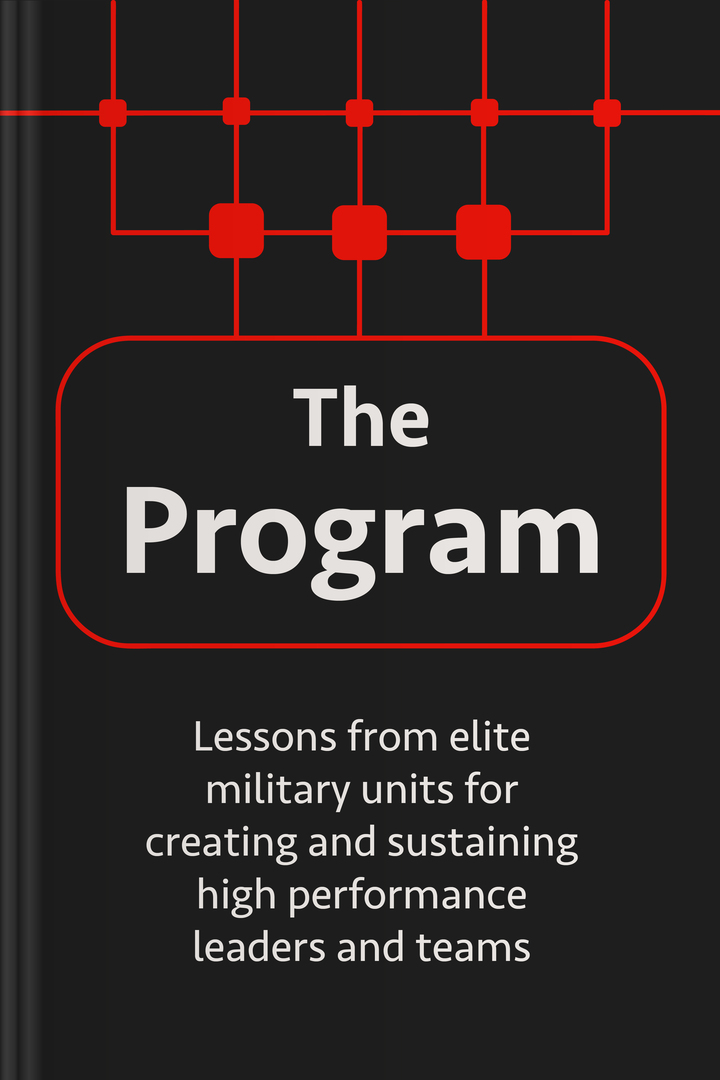
This audio summary explores Eric Kapitulik’s leadership approach through the lens of “championship culture”—the kind of culture that helps teams perform consistently, not just occasionally. It focuses on practical building blocks: defining core values, setting goals and behavioral standards, developing leaders, and strengthening communication so the team can execute under stress.
Along the way, Kapitulik draws lessons from high-stakes environments, including military and sports settings, to show how clarity and accountability can help any group—business units, teams, or organizations—work together with trust and purpose. The message is steady and grounded: success becomes more likely when people know what they stand for, what they’re aiming at, and what “good” looks like every day.
Who Should Listen to The Program?
- Leaders and managers who want a clear framework for building a high-performance culture based on values, standards, and accountability.
- Teammates and individual contributors who want to understand how to contribute at a high level, even without formal leadership authority.
- Coaches, project leads, and team builders who want simple tools for communication and execution under pressure.
Books Similar to The Program
Readers who enjoyed this also liked these titles.