If You're Curious About These Questions...
You should listen to this audiobook
- What’s the secret shared by Navy SEALs, Olympic athletes, and top-tier CEOs that allows them to thrive under extreme pressure while others struggle?
- Did you know that peak performance isn't a result of innate talent, but rather five specific mental disciplines that can be practiced and mastered?
- What if you could approach your highest-stakes professional challenges with the same mental toolkit used by the world’s most elite performers?
Listen to Learned Excellence — Free Audiobook
Loading player...
Key Takeaways from Learned Excellence
- Learn how to craft a ten-word personal credo that acts as a guiding compass, ensuring your decisions and actions align with your deepest core values.
- Understand why mindset is a deliberate choice rather than a fixed trait, allowing you to intentionally adopt different mindsets for your distinct personal and professional roles.
- Master the practice of 'staying in the circle' by focusing your energy exclusively on the three elements entirely within your control: your attitude, your effort, and your behavior.
- Discover why peak performers focus on process instead of results, and learn a practical, color-coded time management strategy to intentionally plan your most precious resource.
- Find out how to elevate your output by meticulously vetting your information sources, ensuring you only make incremental process adjustments based on reliable and honest feedback.
Learning Tools
Reinforce what you learned from Learned Excellence
Mind Map
Learned Excellence
Core Philosophy+
Discipline 1: Values & Goals+
Discipline 2: Mindset+
Discipline 3: Process+
Discipline 4: Adversity Tolerance+
Discipline 5: Balance & Recovery+
Quiz — Test Your Understanding
Question 1 of 6
According to the first discipline, what is the primary purpose of crafting a 'personal credo'?
Question 2 of 6
Which of the following best captures the authors' foundational view on mindset?
Question 3 of 6
In the context of developing a productive mindset, what does the concept of 'staying in the circle' refer to?
Question 4 of 6
When refining your 'process' for peak performance, why is it critical to carefully select and vet your information sources?
Question 5 of 6
How does the 'black box' technique help performers handle unforeseen challenges during an event?
Question 6 of 6
What is the book's perspective on maintaining perfect equilibrium across all six life domains?
Learned Excellence — Full Chapter Overview
- 1Recommendation
- 2Discipline One: Values and Goals
- 3Discipline Two: Mindset
- 4Discipline Three: Process
- 5Discipline Four: Tolerance for Adversity
- 6Discipline Five: Balance and Recovery
- 7Final summary
Learned Excellence Summary & Overview
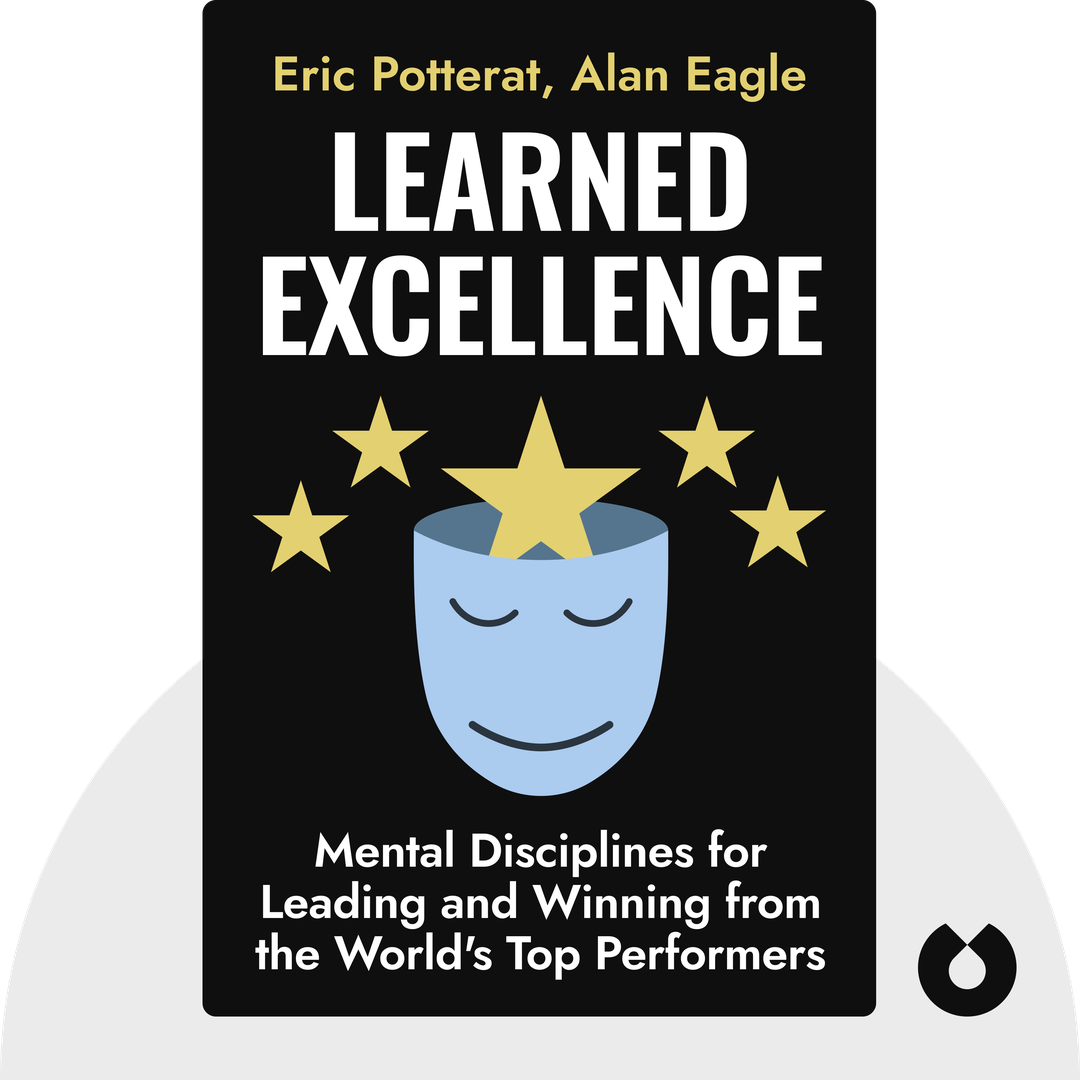
Learned Excellence (2024) offers a comprehensive guide to the five mental disciplines necessary for peak performance. It provides principles and practices used by top athletes, military personnel, and business executives to attain excellence – professionally and personally.
Who Should Listen to Learned Excellence?
- Corporate executives and business leaders
- Individuals in high-stress professions, such as first responders
- Anyone striving for excellence in their personal life
Books Similar to Learned Excellence
Readers who enjoyed this also liked these titles.