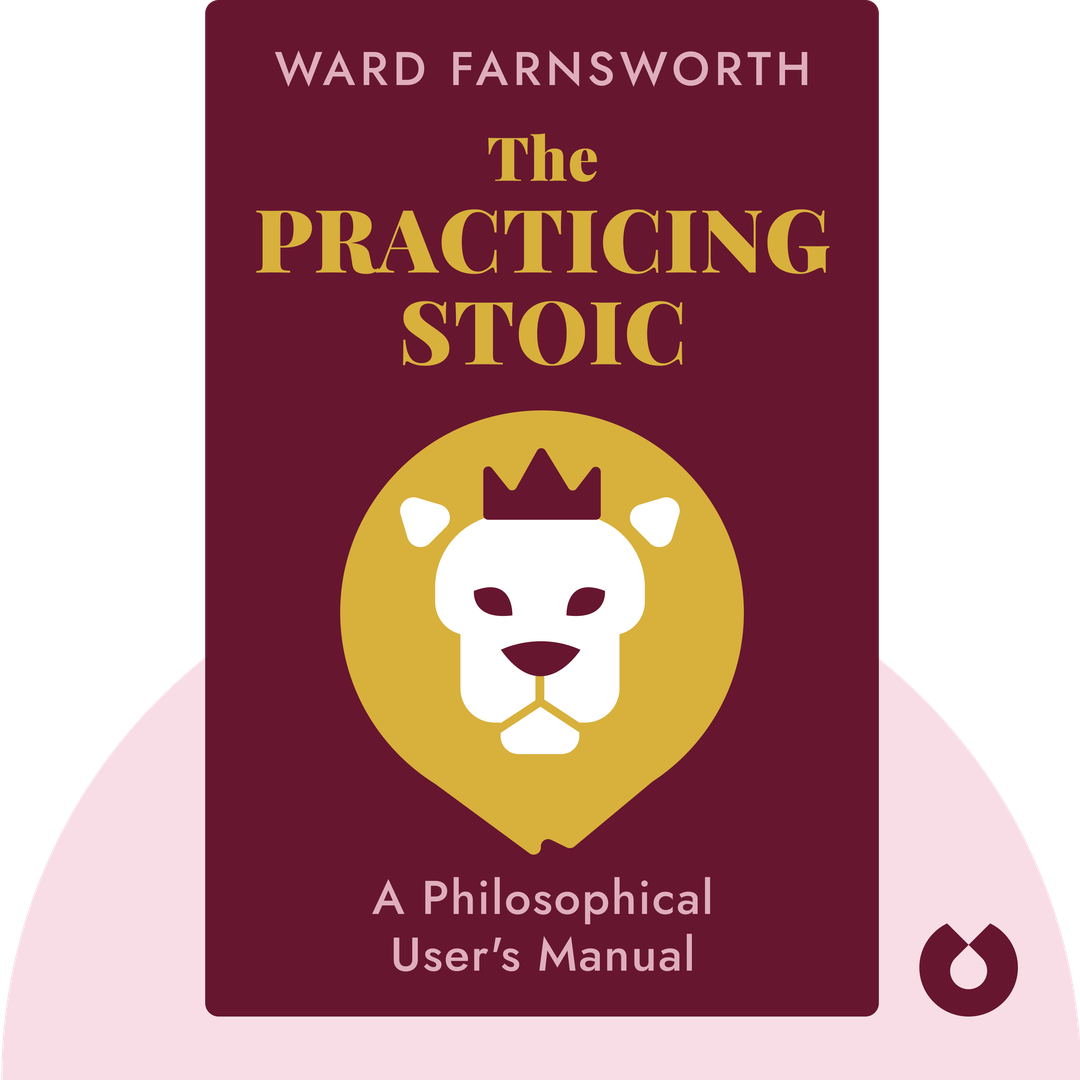
If You're Curious About These Questions...
You should listen to this audiobook
- Have you ever wondered why some people remain completely unshakable during a crisis while others lose their cool?
- What if you could master a 2,000-year-old mental habit that instantly stops you from stressing over things you can't control?
- Did you know that the secret to lasting happiness isn't changing your life circumstances, but changing the way you judge them?
Listen to The Practicing Stoic — Free Audiobook
Loading player...
Key Takeaways from The Practicing Stoic
- Discover why your emotional reactions stem from your personal judgments rather than external events, and learn a three-stage process to intercept negative feelings.
- Learn how to convert external 'evils' into positive opportunities by recognizing that your power lies in your response, not in controlling the unpredictable storms of life.
- Master the art of focusing only on what is within your control by treating life like a game where true happiness comes from playing skillfully rather than stressing over the outcome.
- Gain a liberating perspective on daily frustrations by zooming out to the grand scale of the universe, a Stoic practice that diminishes ego, greed, and the fear of death.
- Understand why relentlessly pursuing desires and comparing yourself to others creates a never-ending cycle of dissatisfaction, and discover how to seek lasting contentment instead.
Learning Tools
Reinforce what you learned from The Practicing Stoic
Mind Map
The Practicing Stoic
The Nature of Judgments+
Dichotomy of Control+
Perspective & Transience+
Managing Desires & Envy+
Stoicism as a Daily Practice+
Quiz — Test Your Understanding
Question 1 of 6
According to Stoic philosophy, which of the following best describes the three-stage process of how we experience emotions?
Question 2 of 6
What is the main takeaway from Epictetus's metaphor of human life as a game of dice?
Question 3 of 6
Why does Montaigne use the example of tiny creatures that live for just a single day?
Question 4 of 6
How do Stoics differentiate between natural desires and unnatural desires?
Question 5 of 6
Which of the following is a specific technique recommended by Seneca to help refine our actions and character?
Question 6 of 6
According to the core teachings of Stoicism presented in the text, what is the primary source of our daily frustrations?
The Practicing Stoic — Full Chapter Overview
- 1Recommendation
- 2You’re less apt to feel sad when you examine your judgments
- 3Focusing on what you can control calms the mind
- 4Thinking broadly helps you see what truly matters
- 5You’re most content when you follow natural desires
- 6Stoicism isn’t only philosophy — it is a practice
The Practicing Stoic Summary & Overview
The Practicing Stoic (2018) offers guidance on how to handle tough times with a clear mind and steady heart. Tapping into ancient wisdom, it provides lasting lessons on seeing things clearly, making smart choices, and dealing with life’s challenges more smoothly.
Who Should Listen to The Practicing Stoic?
- Philosophy enthusiasts seeking practical life guidance
- Readers interested in ancient wisdom and modern application
- Individuals facing personal or professional challenges
Books Similar to The Practicing Stoic
Readers who enjoyed this also liked these titles.