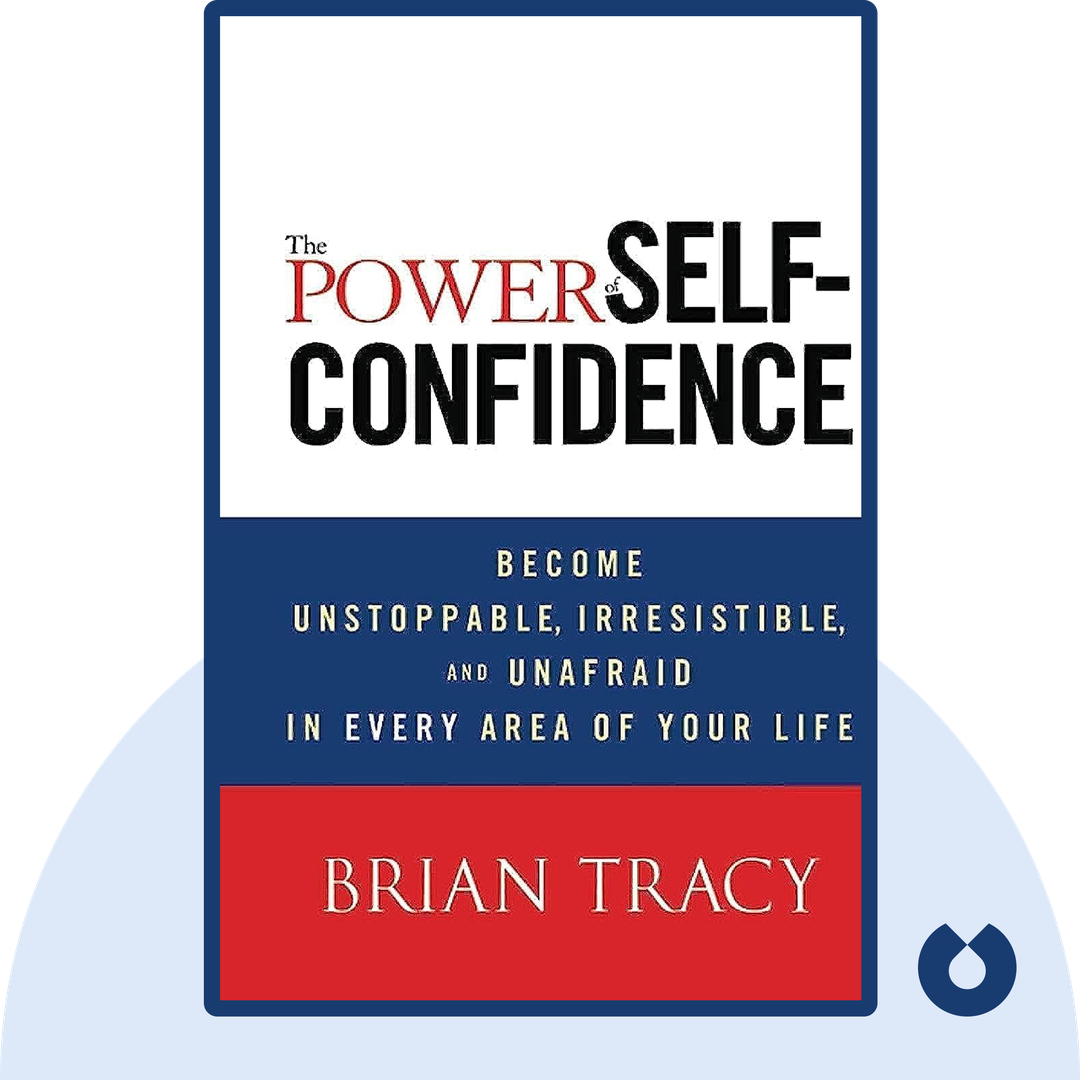
The Power of Self-Confidence
Start ListeningDownload Try free on iPhoneScan to start in 5 seconds
Categories:
If You're Curious About These Questions...
You should listen to this audiobook
- What's the secret to staying unshakably confident even in the face of major setbacks and uncertainty?
- Have you ever wondered why some people seem to achieve their biggest goals effortlessly while others struggle with constant self-doubt?
- What if you could reprogram your mind to automatically overcome fear and take bold action toward your dreams every single day?
Listen to The Power of Self-Confidence — Cinematic Audio Edition
Loading player...
Key Takeaways from The Power of Self-Confidence
- Discover how your thoughts shape your reality through the law of concentration, and learn to consciously focus on your highest aspirations rather than your fears.
- Master the law of reversibility by acting confidently even when you feel unsure, building an unshakable foundation of self-assurance rooted in your core values.
- Learn why writing your top goals in the present tense programs your subconscious mind to treat them as reality, turning scattered ambitions into targeted action.
- Understand the importance of personal mastery by identifying your Key Result Areas, and discover how strengthening your weakest skills can rapidly accelerate your career growth.
- Harness the profound power of belief to transform your external circumstances, using absolute faith in your own abilities to overcome fear and drive decisive action.
Learning Tools
Reinforce what you learned from The Power of Self-Confidence
Mind Map
The Power of Self-Confidence
Foundation of Thoughts+
Purposeful Goal-Setting+
Mastery & Competence+
The Power of Belief+
Leveraging Strengths+
Resilience & Adversity+
Action & Responsibility+
Quiz — Test Your Understanding
Question 1 of 8
According to the 'law of concentration' mentioned in the book, how is unshakable self-confidence primarily developed?
Question 2 of 8
What does the 'law of reversibility' suggest about building confidence?
Question 3 of 8
Why does the author recommend writing down your goals in the present tense (e.g., 'I am earning $100,000 annually')?
Question 4 of 8
When pursuing personal mastery, what is a recommended strategy for dealing with 'Key Result Areas'?
Question 5 of 8
What is the primary lesson from the story of the businessman who locked a $500,000 check from John D. Rockefeller in his safe?
Question 6 of 8
In the context of discovering your strengths, what does the concept of 'divine discontent' refer to?
Question 7 of 8
What does it mean to adopt the 'reality habit' when facing adversity?
Question 8 of 8
How does the book differentiate between mere 'positive thinking' and 'positive knowing'?
The Power of Self-Confidence — Full Chapter Overview
- 1Recommendation
- 2Your thoughts build the basis of confidence
- 3Purposeful goals pave the path to self-belief
- 4Mastery releases the power of competence
- 5Belief propels action and fuels success
- 6Identify and leverage your greatest strengths
- 7Adversity develops confidence and resilience
- 8Action turns potential into unshakable confidence
The Power of Self-Confidence Summary & Overview
The Power of Self-Confidence (2012) explores the essential role self-confidence plays in achieving personal and professional success. It offers practical strategies for building belief in yourself, overcoming fear and doubt, and maintaining a positive mindset. By cultivating self-assurance, it empowers readers to set ambitious goals and take consistent action toward their dreams.
Who Should Listen to The Power of Self-Confidence?
- Ambitious individuals seeking to boost their self-confidence
- Career-driven professionals aiming for growth and success
- Anyone interested in personal development and growth
Books Similar to The Power of Self-Confidence
Readers who enjoyed this also liked these titles.