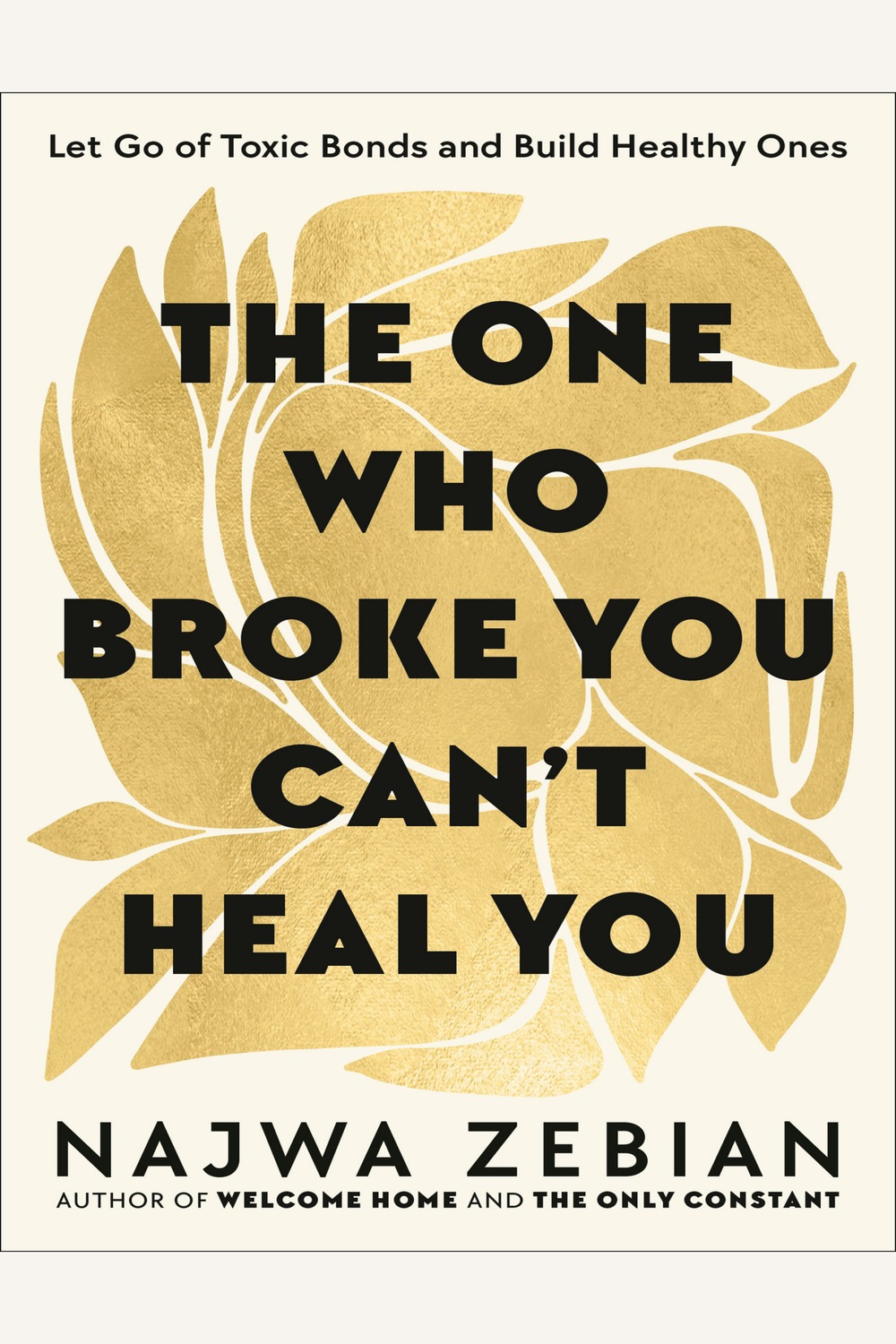
The One Who Broke You Can't Heal You
If You're Curious About These Questions...
You should listen to this audiobook
- Have you ever wondered why your nervous system often mistakes the temporary relief of returning to a familiar person for actual healing, even when you know the relationship is harmful?
- Did you know that you might be carrying seven distinct types of relational "threads"—and that just one toxic bond can silently drain the energy from every other healthy connection in your life?
- What if the "closure" you’ve been chasing isn’t a gift that the person who broke you has to give, but a specific internal action you can take to reclaim your authority today?
Listen to The One Who Broke You Can't Heal You — Cinematic Audio Edition
Key Takeaways from The One Who Broke You Can't Heal You
- Reclaim your future by accepting that the person responsible for your pain cannot be responsible for your recovery. Waiting for their apology or accountability only gives them continued authority over your life.
- Frame closure as an internal action rather than a gift granted by the person who harmed you. Healing begins the moment you stop requiring the offender to validate your reality and let go of the struggle to make them understand.
- Separate your feelings from facts to prevent outdated childhood survival responses from steering your adult decisions. Acknowledge that feeling temporarily unwanted or abandoned does not make you inherently unworthy.
- Evaluate your relationships using the seven distinct types of bonds to visualize exactly where your emotional energy is being drained or balanced. Recognizing whether a connection is healthy, toxic, or trauma-based empowers you to distance yourself from destructive ties.
- Release the fantasy of one final, perfect conversation and stop demanding explanations for a betrayal. Take back your power by permitting your anger, refusing to single-handedly repair a damaged relationship, and investing your attention into a life beyond the broken bond.
Learning Tools
Reinforce what you learned from The One Who Broke You Can't Heal You
Mind Map
Quiz — Test Your Understanding
The One Who Broke You Can't Heal You — Full Chapter Overview
- 1Recommendation
- 2The Invisible Thread
- 3When Survival Becomes Identity
- 4Mapping the Seven Bonds
- 5Ten Rules for Taking Back Power
- 6Repairing the Bond Within
- 7The Clean Cut
- 8Five Pillars of a Shared Home
- 9Building Without Disappearing
- 10Becoming Your Own Advocate
The One Who Broke You Can't Heal You Summary & Overview
In The One Who Broke You Can't Heal You, Najwa Zebian examines why people remain emotionally tied to those who betrayed, neglected, manipulated, or abandoned them. She argues that the wound often survives inside the bond itself: through unanswered questions, remembered affection, hoped-for apologies, and the nervous system's attraction to what feels familiar. Healing begins when a person stops placing recovery in the hands of the one who caused the harm.
The book combines personal stories, relationship psychology, reflective questions, and practical exercises built around the image of invisible threads. Zebian identifies seven forms of relational bonds, explains the influence of childhood experiences and attachment patterns, and outlines the qualities that distinguish secure connection from emotional instability. Her goal is not detachment or isolation. It is self-trust: the ability to love deeply without surrendering boundaries, identity, or dignity.
Ultimately, this is a guide to closing the past, restoring the relationship with oneself, releasing destructive bonds, and building reciprocal connections grounded in honesty, safety, and care.
Who Should Listen to The One Who Broke You Can't Heal You?
- Anyone waiting for an apology, explanation, or reconciliation before allowing themselves to heal.
- People recovering from toxic romantic, family, friendship, or workplace relationships.
- Listeners seeking practical guidance on boundaries, attachment, self-trust, and healthier connections.
Books Similar to The One Who Broke You Can't Heal You
Readers who enjoyed this also liked these titles.