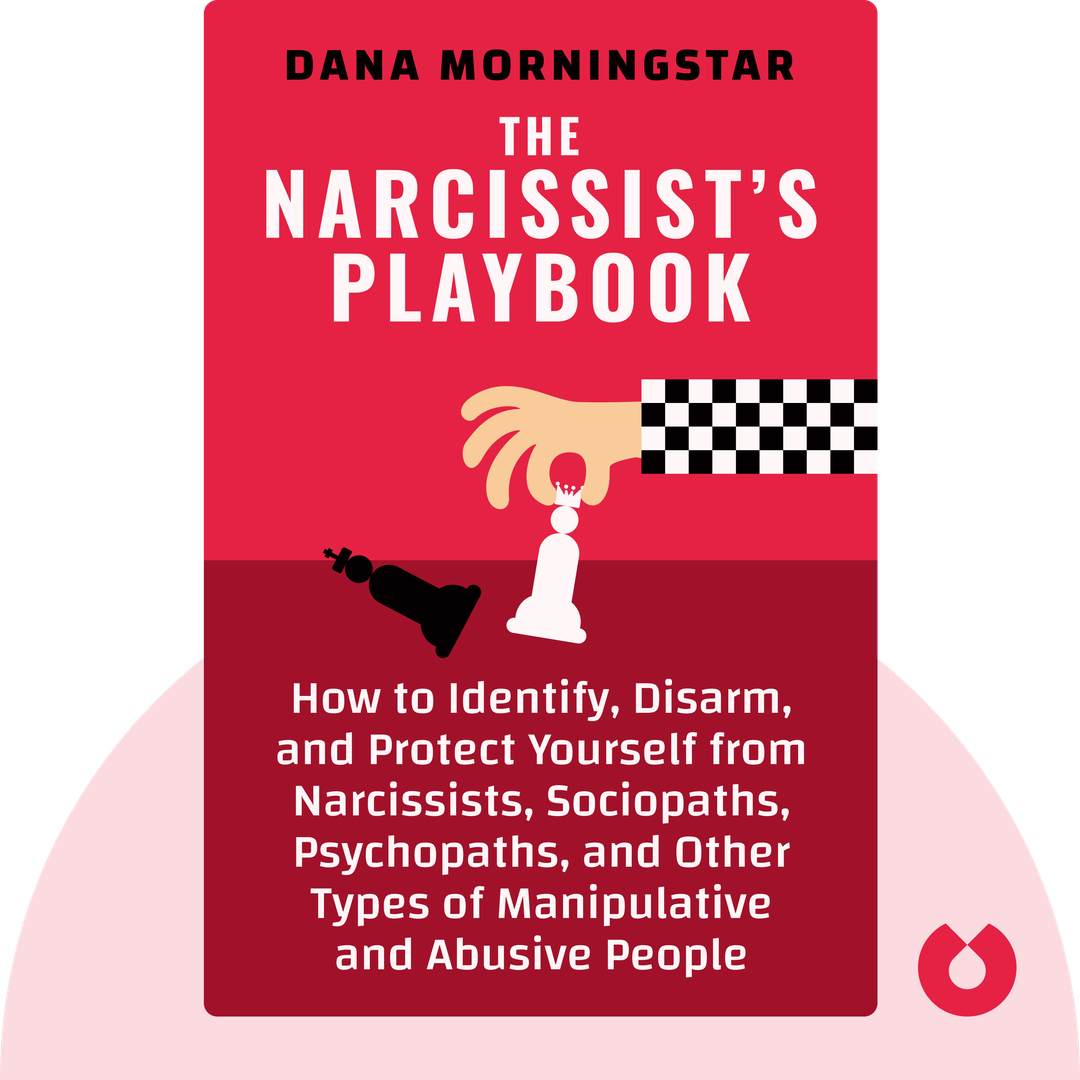
The Narcissist's Playbook
Start ListeningDownload Try free on iPhoneScan to start in 5 seconds
Categories:
If You're Curious About These Questions...
You should listen to this audiobook
- Have you ever wondered why narcissists all seem to follow the exact same hidden script, making their behavior eerily predictable once you know what to look for?
- Did you know that some of the most 'loving' and charming behaviors can actually be calculated tactics used to systematically break down your defenses?
- What if you could decode the subtle psychological games being played on you and finally reclaim the power you didn't even realize you’d lost?
Listen to The Narcissist's Playbook — Free Audiobook
Loading player...
Key Takeaways from The Narcissist's Playbook
- Recognize the core tactics of a master manipulator, such as gaslighting and weaponizing guilt, to break free from the cycle of emotional exhaustion and self-doubt.
- Discover the six behavioral profiles of everyday manipulators, including the disorienter, the charmer, and the martyr, so you can easily spot their covert abuses.
- Understand the three specific methodologies manipulators use—hit-and-run, hot-and-cold, and slow-and-steady—to keep their targets anxious and off-balance.
- Identify the critical red flags of a manipulative romantic partner, like constantly walking on eggshells or feeling forced to 'earn' their conditional affection.
- Learn how various personality disorders and addictions drive manipulative behavior, empowering you to decode their motivations and protect your emotional well-being.
Learning Tools
Reinforce what you learned from The Narcissist's Playbook
Mind Map
The Narcissist's Playbook
Types of Manipulators+
Methodologies of Manipulation+
Relationship Tactics+
Defensive Tools+
Escape & Communication Strategies+
Quiz — Test Your Understanding
Question 1 of 7
According to the text, how does a 'martyr' type manipulator control their targets?
Question 2 of 7
Which of the following best describes the 'hot-and-cold' approach to manipulation?
Question 3 of 7
What psychological tactic is a manipulator using when they inconsistently reward their partner with praise, causing the partner to work harder for approval?
Question 4 of 7
How does the book distinguish between 'external' and 'internal' boundaries?
Question 5 of 7
A manipulator constantly talks about buying a house and starting a family with you to keep you from leaving, despite having no intention of following through. Which manipulative tactic does this describe?
Question 6 of 7
When is the 'gray rock' strategy most appropriately used against a manipulator?
Question 7 of 7
What does the author mean by advising readers to remember that ''No' is a full sentence' when dealing with manipulators?
The Narcissist's Playbook — Full Chapter Overview
- 1Recommendation
- 2Identify your manipulator
- 3A manipulator’s methods
- 4Manipulative relationships
- 5Create a defense against manipulation
- 6Move on from manipulation
The Narcissist's Playbook Summary & Overview
The Narcissist's Playbook (2019) is a guide to recognizing, understanding, and breaking free from the manipulation and abuse of narcissists, sociopaths, and psychopaths. It offers practical tools for identifying manipulative behaviors, understanding why they occur, and empowering their targets to protect themselves and reclaim control of their lives.
Who Should Listen to The Narcissist's Playbook?
- Partners who suspect they’re in an emotionally abusive relationship
- People who want to set boundaries with manipulative family members
- Anyone with a narcissist in their lives
Books Similar to The Narcissist's Playbook
Readers who enjoyed this also liked these titles.