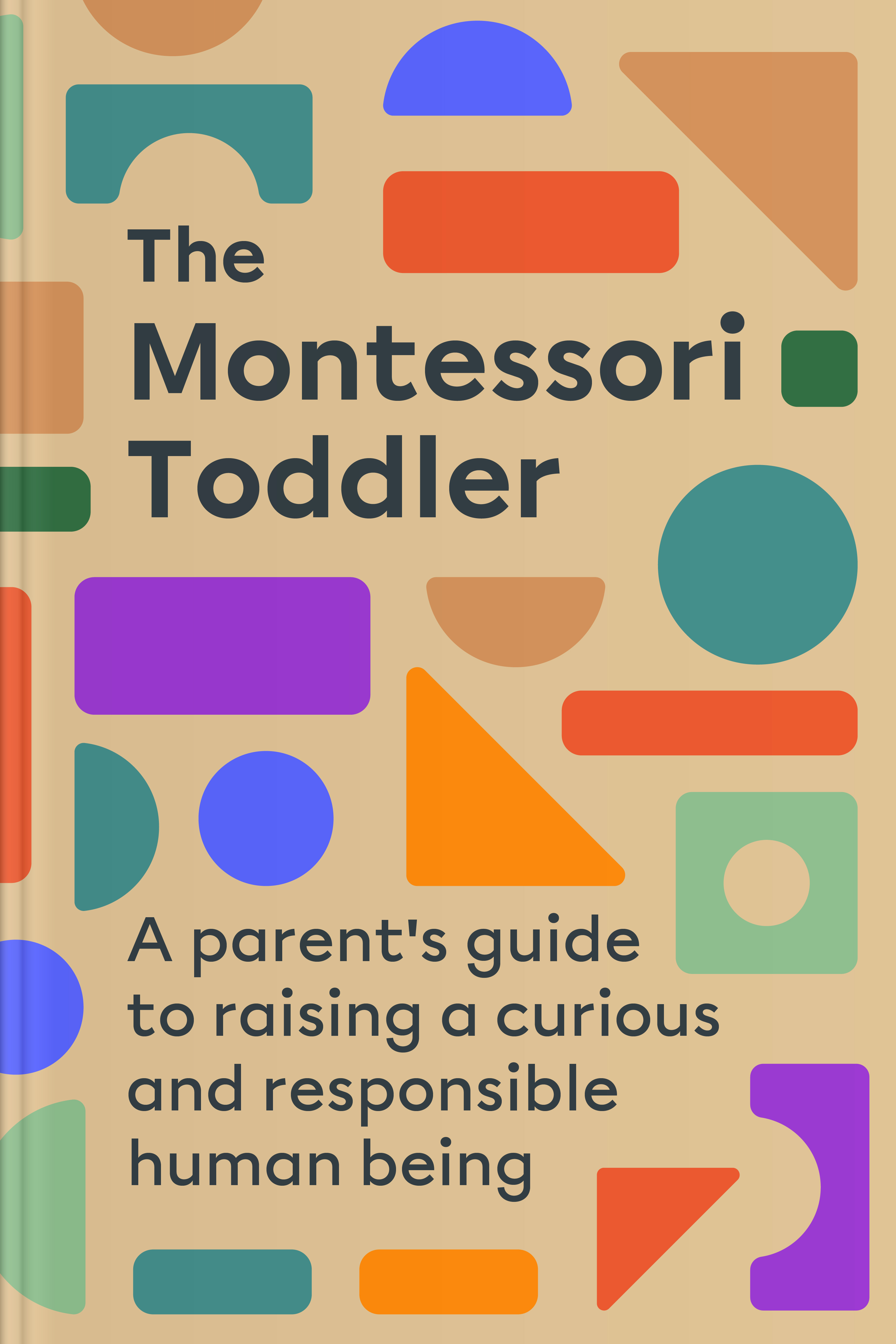
The Montessori Toddler
If You're Curious About These Questions...
You should listen to this audiobook
- Have you ever wondered why toddlers seem so "difficult," or is there a hidden developmental reason behind their most challenging behaviors?
- What if you could transform your home into a space that naturally invites independence and puts an end to daily power struggles?
- What’s the secret to staying calm during a tantrum while setting clear limits that actually help your child grow?
Listen to The Montessori Toddler — Cinematic Audio Edition
Key Takeaways from The Montessori Toddler
- Understand why toddler tantrums are a result of under-developed impulse control rather than purposeful misbehavior, allowing you to respond as a supportive guide instead of relying on confusing punishments.
- Discover how to reframe your parenting approach by replacing the urge to stop a challenging behavior with the question of what your toddler is currently trying to learn.
- Master the core Montessori relationship by preparing a safe, accessible environment that allows your child to choose meaningful activities while you step back to observe.
- Realize that the Montessori method is not permissive parenting, and learn to establish consistent, understandable boundaries that give toddlers the safe foundation they need to freely explore.
- Embrace the quiet power of repetition by offering your toddler activities with a 'just right' level of challenge, helping them wire new skills into their brain and build self-confidence.
Learning Tools
Reinforce what you learned from The Montessori Toddler
Mind Map
Quiz — Test Your Understanding
The Montessori Toddler — Full Chapter Overview
- 1Recommendation
- 2Seeing the Toddler With New Eyes
- 3The Montessori Relationship: Child, Adult, Environment
- 4Choice, Repetition, and the Joy of Mastery
- 5A Home That Invites Independence
- 6Protecting Curiosity and Imagination
- 7Belonging, Significance, and Being Understood
- 8Turning Misbehavior Into a Teaching Moment
- 9Meeting Tantrums With Calm and Repair
- 10Caring for the Caregiver, Too
- 11A Gentle Montessori Path Forward
The Montessori Toddler Summary & Overview
Toddlerhood can look intense from the outside—and feel even more intense from the inside. This summary follows Simone Davies’ Montessori-inspired approach to understanding toddlers not as “difficult,” but as young children learning how to be human, without full access yet to impulse control, emotional regulation, or the words to explain what they need.
Across the chapters, the focus stays practical and supportive: how to see behavior differently, how Montessori principles work in everyday life, how to set up a home that invites independence, and how to handle challenging moments—especially tantrums—with calm guidance and clear limits. The heart of the message is simple: the adult leads with steadiness, the child learns through hands-on experience, and both can grow together, one small moment at a time.
Who Should Listen to The Montessori Toddler?
- Parents and caregivers of children ages 1 to 3 who want a calmer, more respectful way to handle tantrums, impulsivity, and everyday power struggles
- Adults curious about Montessori principles and how to apply them at home without turning life into a strict “school” environment
- Caregivers who want practical guidance while also needing reassurance that they’re not failing—this stage is hard, and support matters
Books Similar to The Montessori Toddler
Readers who enjoyed this also liked these titles.