If You're Curious About These Questions...
You should listen to this audiobook
- Have you ever wondered why your internal thought habits might be the single biggest factor determining your external success and happiness?
- What if you could tap into a hidden "creative potential" within your subconscious to gain complete command over your destiny?
- What is the secret "Master Key" that allows you to transform your beliefs and assumptions into tangible results in the physical world?
Listen to The Master Key System — Free Audiobook
Loading player...
Key Takeaways from The Master Key System
- Understand how immutable universal laws mirror your internal expectations, allowing you to use your thoughts as creative energy that directly shapes your physical reality.
- Discover the secret to harmonizing your mind by acting as a conscious 'gardener' who intentionally plants positive seeds in the fertile soil of your subconscious.
- Learn five actionable techniques, including writing present-tense affirmations and cultivating gratitude, to systematically reprogram limiting beliefs and attract prosperity.
- Master the art of unlocking the vast 'treasure vault' of your subconscious mind to access dormant talents, hidden resilience, and untapped potential.
- Find out how to employ vivid sensory visualization, concentrated attention, and unwavering faith to override skepticism and manifest your deepest ambitions.
Learning Tools
Reinforce what you learned from The Master Key System
Mind Map
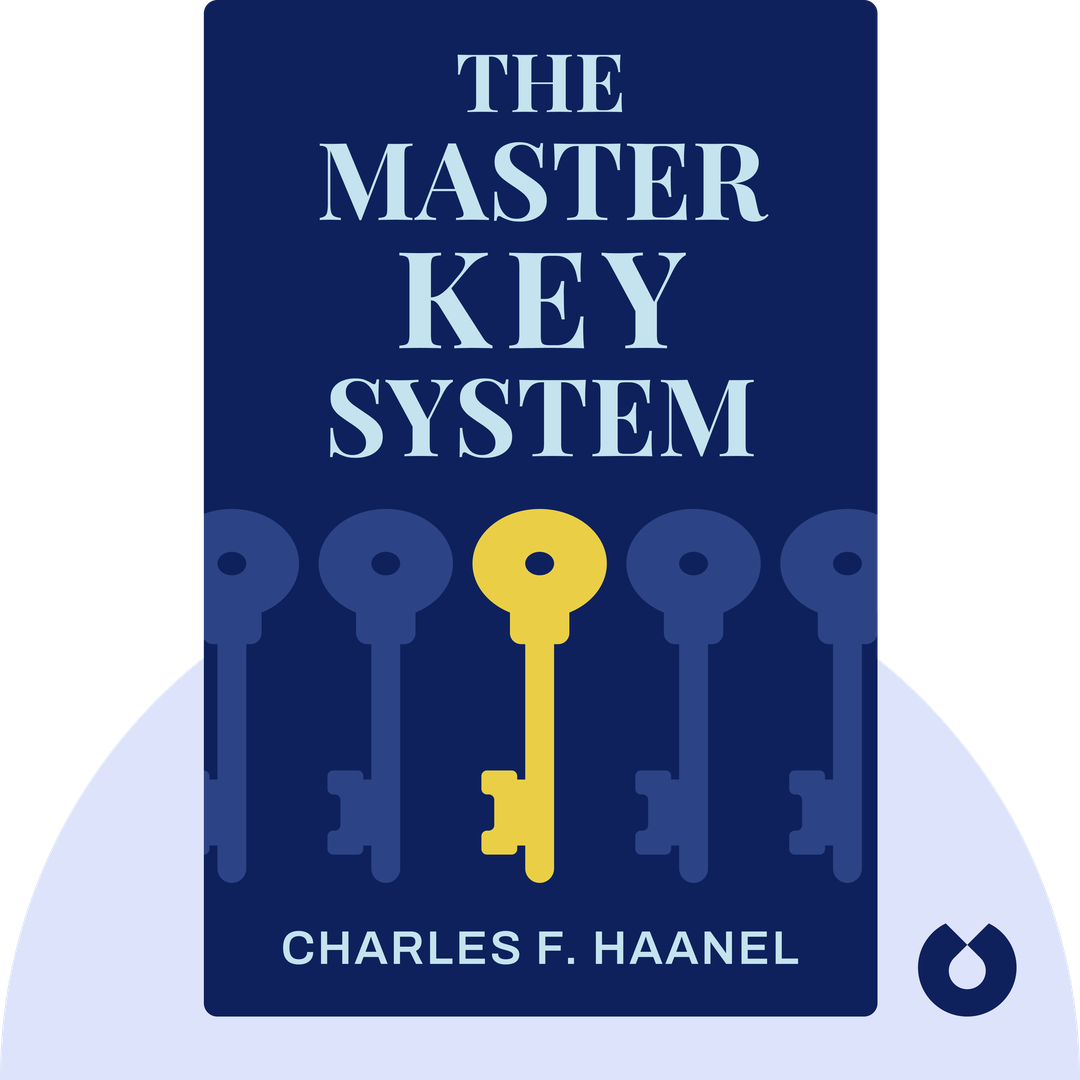
The Master Key System
Universal Laws of Creation+
The Mind's Mechanics+
Cultivating Positive Outcomes+
Tapping Subconscious Potential+
Vanquishing Limiting Beliefs+
Articulating Desires Clearly+
Consistency & Resilience+
Quiz — Test Your Understanding
Question 1 of 6
How do the conscious and subconscious minds interact to manifest reality, according to the text?
Question 2 of 6
When writing affirmations to help manifest positive outcomes, how should the statements be phrased?
Question 3 of 6
What technique does the text recommend when negative thought spirals or self-doubts arise?
Question 4 of 6
Why is it important to define desires and goals with tangible specificity, such as exact dollar amounts or visual attributes?
Question 5 of 6
What key lesson is drawn from the experiences of historical innovators like Thomas Edison and the Wright Brothers?
Question 6 of 6
What is the purpose of periodically taking a 'higher perspective' or getting a bird's eye view of your life?
The Master Key System — Full Chapter Overview
- 1Recommendation
- 2The Master Keys
- 3Plant Positive Seeds to Reap Positive Results
- 4Your Subconscious Is a Source of Untapped Potential
- 5Overcome Self-Limiting Beliefs
- 6To Achieve Your Desires, Define Them Clearly
- 7Above All, Stay Consistent
- 8Final summary
The Master Key System Summary & Overview
The Master Key System (1916) distills mental principles and exercises for generating success, happiness, and life mastery. Structured as a step-by-step guide to realizing your full potential, it comprises approachable yet powerful lessons on how disciplined control of your beliefs, assumptions, and thought habits grants conscious command over destiny via the creative potential held subconsciously within every person. Its framework for empowerment and self-determined success reverberates as strongly today as a century ago.
Who Should Listen to The Master Key System?
- Fans of self-help classics
- Aspiring achievers interested in cultivating a success-oriented mindset
- Individuals eager to fulfill their potential
Books Similar to The Master Key System
Readers who enjoyed this also liked these titles.