If You're Curious About These Questions...
You should listen to this audiobook
- If modern society collapsed today, would you know how to reinvent the essential technologies required to rebuild civilization from scratch?
- Have you ever wondered which everyday items would become the most critical resources for survival once global supply chains vanish?
- What if you could bypass centuries of human trial and error to fast-track the recovery of science and industry after a catastrophe?
Listen to The Knowledge — Free Audiobook
Loading player...
Key Takeaways from The Knowledge
- Learn how to secure immediate post-apocalyptic survival by sourcing durable clothing from large malls and sterilizing unsealed water simply by boiling it.
- Discover the optimal strategy for scavenging supermarket food by consuming quick-spoiling fresh items first while saving grains that can last up to ten years.
- Master a simple jar-and-water test to analyze your soil's composition, ensuring you have the ideal mix of sand, silt, and clay for growing your own crops.
- Understand why crop rotation is critical for maintaining a healthy farm, as alternating your plants prevents the depletion of essential soil nutrients like nitrogen.
- Find out how to produce charcoal in a covered trench to generate the high-heat thermal energy required to rebuild essential industries like metalworking and glassblowing.
Learning Tools
Reinforce what you learned from The Knowledge
Mind Map
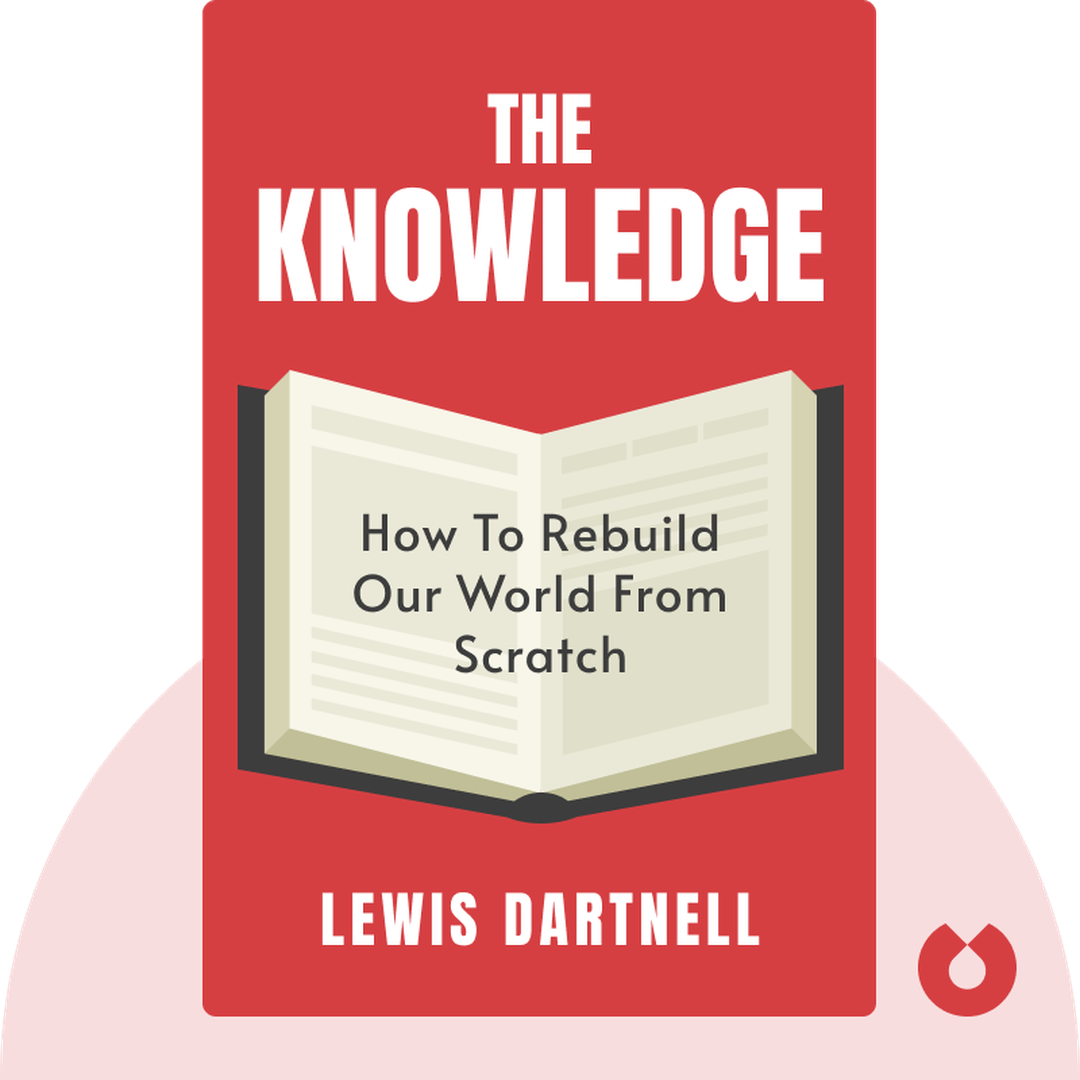
The Knowledge
Immediate Survival+
Food & Agriculture+
Energy & Rebuilding+
Health & Medicine+
Time & Navigation+
Quiz — Test Your Understanding
Question 1 of 8
Why are large shopping malls recommended as a prime location to find clothing after a catastrophe?
Question 2 of 8
According to the book, what is the ideal composition of soil for growing food?
Question 3 of 8
Why is crop rotation an essential practice for a successful post-apocalyptic farm?
Question 4 of 8
Why is producing charcoal critical for rebuilding industries like glassblowing and metal forging?
Question 5 of 8
If commercial supplies run out, how can you manufacture basic soap?
Question 6 of 8
Cholera is a historically deadly infection, but how can it be simply and effectively treated?
Question 7 of 8
What simple, early nineteenth-century medical diagnostic tool can be easily recreated with just a hollow piece of wood?
Question 8 of 8
When making a makeshift compass to navigate without GPS, what is the crucial step for magnetizing the needle?
The Knowledge — Full Chapter Overview
- 1Recommendation
- 2In a catastrophe, focus first on shelter, warmth, and water.
- 3Staying well fed means scavenging, eating smart, and beginning your own farm.
- 4A thriving farm demands effort and careful attention.
- 5Heat energy sources will be vital for daily life and rebuilding industry.
- 6Preventing disease is as easy as keeping yourself and your space clean.
- 7Quality medical care doesn’t need complex technology.
- 8Telling time will mean returning to simple basics.
The Knowledge Summary & Overview
The Knowledge (2014) is a practical guide to surviving the apocalypse. These blinks explain both how to survive a horrific catastrophe and how to create a self-sustaining life and rebuild civilization.
Who Should Listen to The Knowledge?
- Every human on earth
- Anybody interested in disaster survival
Books Similar to The Knowledge
Readers who enjoyed this also liked these titles.