Theme Song
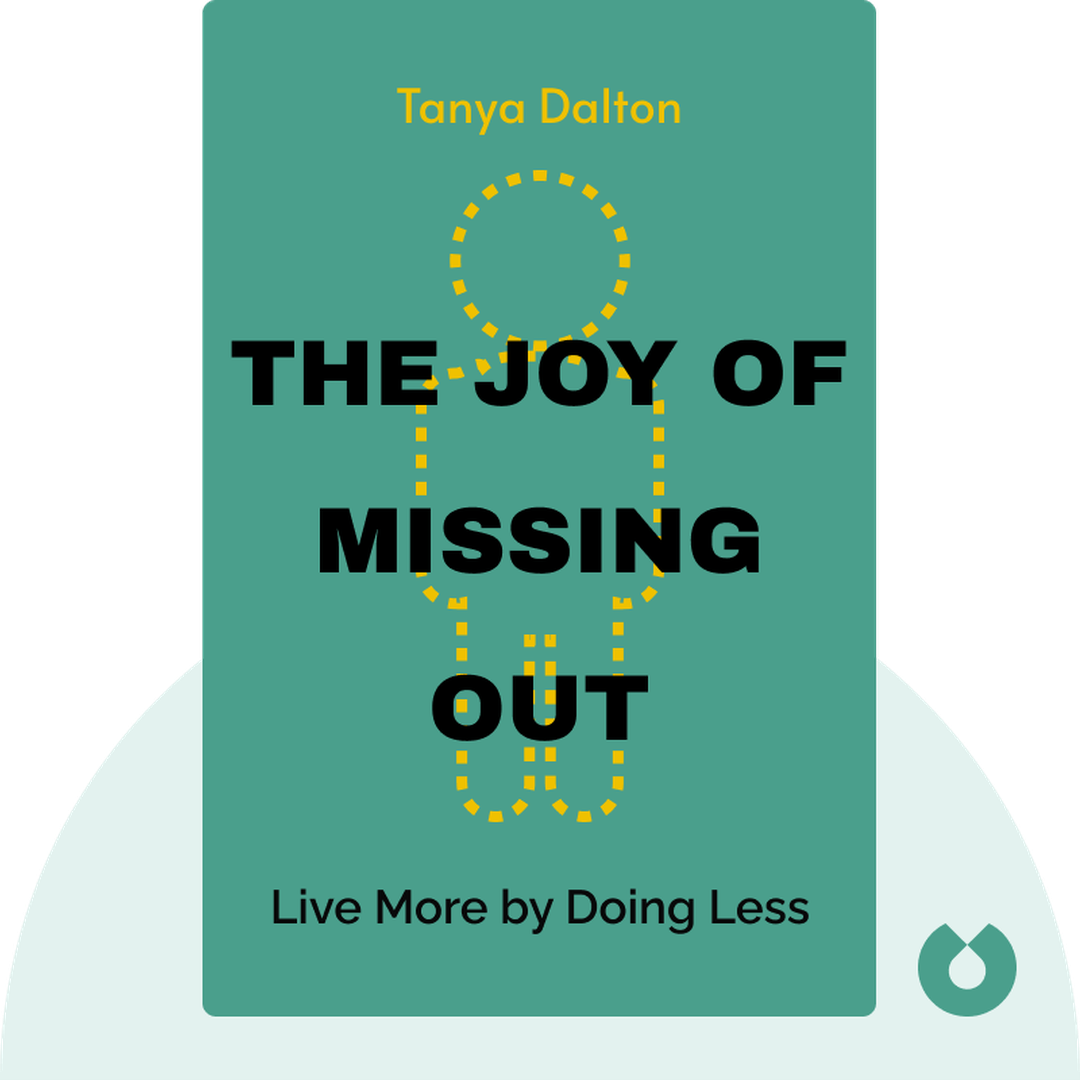
The Joy of Missing Out
Start ListeningDownload Try free on iPhoneScan to start in 5 seconds
Categories:
If You're Curious About These Questions...
You should listen to this audiobook
- What if you could actually achieve more by doing less and finally trade your overwhelming 'to-do' list for a life of purpose?
- Have you ever wondered why being 'busy' rarely feels like being productive, and how you can break that cycle for good?
- What’s the secret to reclaiming your time and finding true joy in the things you choose not to do?
Listen to The Joy of Missing Out — Free Audiobook
Loading player...
Key Takeaways from The Joy of Missing Out
- Discover why true productivity is not about filling your day with endless tasks, but intentionally choosing to focus only on what truly matters.
- Understand why striving for a perfectly balanced life is a counterproductive mirage, and learn to sacrifice equal attention to lean into your top priorities.
- Learn how to establish your personal 'North Star' by defining your mission, vision, and core values to confidently navigate life's challenges.
- Master the power of written goals to act as a magnifying glass for your energy, and realize why comfortably saying 'no' protects your path to success.
- Break free from the glorified hustle mindset and shift your focus from frantically rushing through daily tasks to being genuinely effective.
Learning Tools
Reinforce what you learned from The Joy of Missing Out
Mind Map
The Joy of Missing Out
Redefining Balance+
Defining Purpose+
Mastering Focus+
Productivity Myths & Mindset+
The Priority List+
Systems, Habits & Routines+
Whitespace & Boundaries+
Quiz — Test Your Understanding
Question 1 of 10
Why does the author argue against trying to achieve perfect balance in life?
Question 2 of 10
According to the book, what three elements combine to outline your life's purpose?
Question 3 of 10
What did a Harvard MBA study reveal about the power of setting goals?
Question 4 of 10
Which of the following is identified by the author as one of the three myths of productivity?
Question 5 of 10
In the author's priority list framework, which category of tasks should receive the most of our energy?
Question 6 of 10
What is the primary purpose of the CLEAR framework?
Question 7 of 10
When developing a new habit, why does the author recommend identifying potential excuses in advance?
Question 8 of 10
How does the author view the time she spent teaching her young children to do their own laundry?
Question 9 of 10
What does the author mean by the term 'whitespace'?
Question 10 of 10
According to the actionable advice on learning when to say 'yes,' what is the first question you should ask about a new opportunity?
The Joy of Missing Out — Full Chapter Overview
- 1Recommendation
- 2Don’t aim for balance; concentrate on what truly matters.
- 3Defining your life’s purpose will shape the choices you make.
- 4Set goals and draw firm boundaries to take control of your focus.
- 5Devote your time to what truly matters most.
- 6Create a priority list to decide where your precious energy should go.
- 7Strengthen good systems by cultivating the right habits.
- 8Routines can lower stress and make everyday life more enjoyable.
- 9To be genuinely productive, allow your brain room to wander and explore.
The Joy of Missing Out Summary & Overview
The Joy of Missing Out (2019) focuses on how we can eliminate stress from our lives and improve our productivity. It contains actionable strategies for simplifying our lives and identifying our priorities.
Who Should Listen to The Joy of Missing Out?
- Those who struggle to manage their time effectively
- Individuals who have a hard time saying no
- Women of all ages and all stages of life
Books Similar to The Joy of Missing Out
Readers who enjoyed this also liked these titles.