If You're Curious About These Questions...
You should listen to this audiobook
- Have you ever wondered why our search for the perfect paradise often leads us to the most unexpected, and sometimes even troubled, corners of the globe?
- What if the secret to finding true peace in an era of constant information isn’t about knowing more, but about embracing the 'half-known'?
- Are you curious about how to discover a sense of inner sanctuary even when the world around you feels fractured and chaotic?
Listen to The Half Known Life — Free Audiobook
Loading player...
Key Takeaways from The Half Known Life
- Discover how the ancient Zoroastrian concept of the walled garden continues to shape modern political realities and our universal human pursuit of an earthly utopia.
- Explore the stark contrast between Iran's authoritarian public image and its vibrant, cosmopolitan inner life where citizens maintain personal flexibility within a rigid system.
- Understand how centuries of acting as a global cultural crossroads have given Iran diverse, competing visions of paradise that resist strict government control.
- Delve into the complex duality of Kashmir, where breathtaking natural beauty and ancient magic exist alongside the harsh realities of modern military checkpoints and border conflicts.
- Learn why the Dalai Lama warns against extreme cultural isolation, using Tibet's history to illustrate the vital importance of remaining connected to the broader global community.
Learning Tools
Reinforce what you learned from The Half Known Life
Mind Map
The Half Known Life
The Concept of Paradise+
Iran: The Walled Garden+
Kashmir: The Contested Eden+
Jerusalem: Overlapping Promised Lands+
Sri Lanka: The Dark Side of Eden+
Varanasi: Paradise Through Decay+
Quiz — Test Your Understanding
Question 1 of 6
What is the historical significance of the 'walled garden' concept as introduced by the Zoroastrians?
Question 2 of 6
Based on the author's visit, which of the following best describes the cultural reality of modern-day Iran?
Question 3 of 6
According to the Dalai Lama's reflections mentioned in the text, what was Tibet's greatest vulnerability?
Question 4 of 6
What profound realization does the author have while observing the various religious sects in Jerusalem?
Question 5 of 6
How does the text characterize the relationship between humanity and nature in Sri Lanka?
Question 6 of 6
In Varanasi, what paradox regarding the search for paradise does the author highlight?
The Half Known Life — Full Chapter Overview
- 1Recommendation
- 2A Gift from the Magi
- 3The rooftop of the world
- 4These promised lands
- 5Water and fire
The Half Known Life Summary & Overview
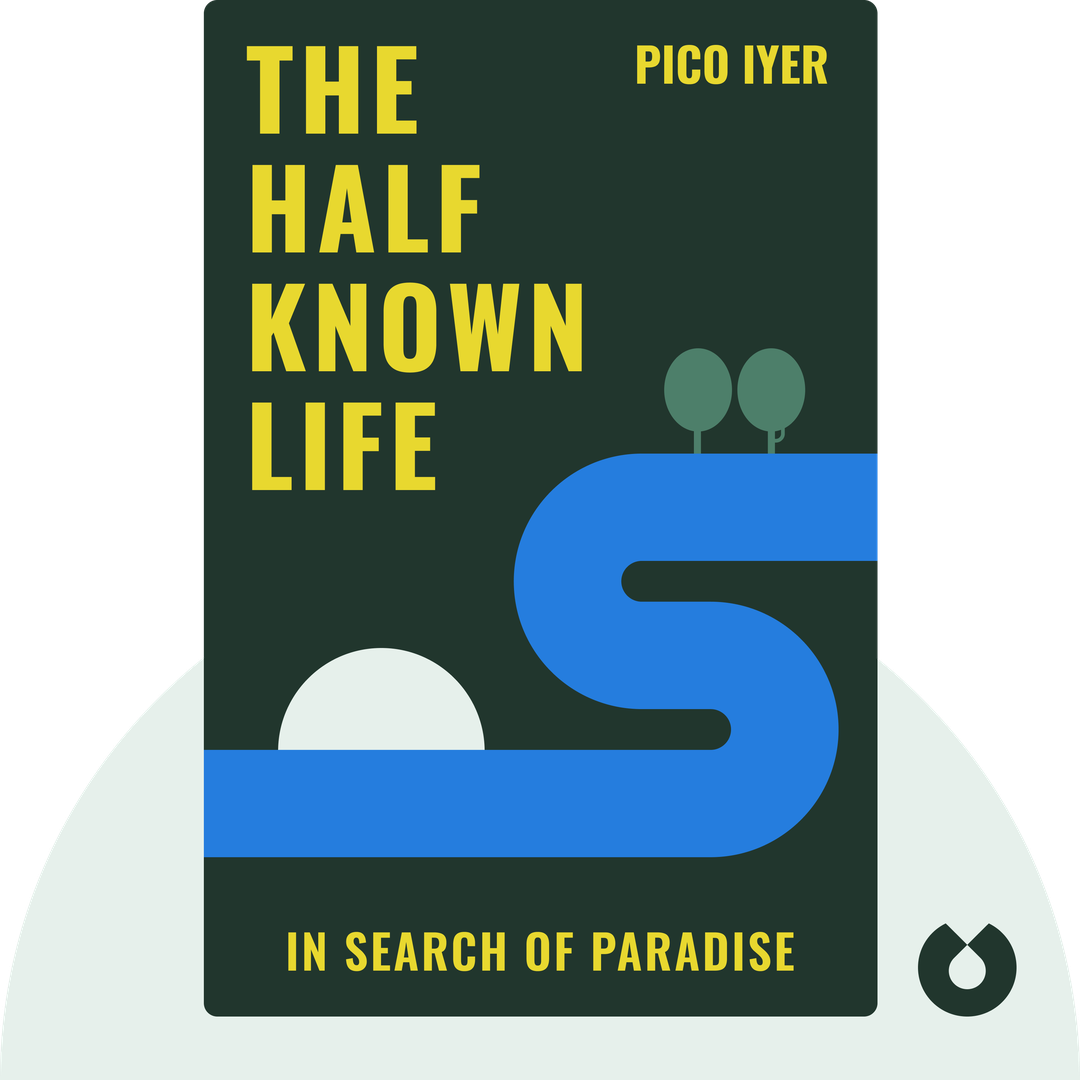
The Half Known Life (2023) is a vivid and thoughtful journey through the ideas and realities of paradise. Part philosophical reflection, part travelog, the work raises poignant questions about life, meaning, and happiness in the age of the digital global village.
Who Should Listen to The Half Known Life?
- Curious minds interested in long-misunderstood cultures and places
- Seekers craving timeless insights from new perspectives
- Anyone interested in ideas of utopia, and the reality that lurks behind the myths
Books Similar to The Half Known Life
Readers who enjoyed this also liked these titles.