If You're Curious About These Questions...
You should listen to this audiobook
- Did you know that empathy is far more than just 'being nice'—it’s actually a transformative form of intelligence that you can master?
- Have you ever wondered how to stay deeply compassionate toward others without feeling emotionally drained or overwhelmed by their problems?
- What if you could use a specific set of tools to bridge the gap in your most difficult relationships and foster instant trust?
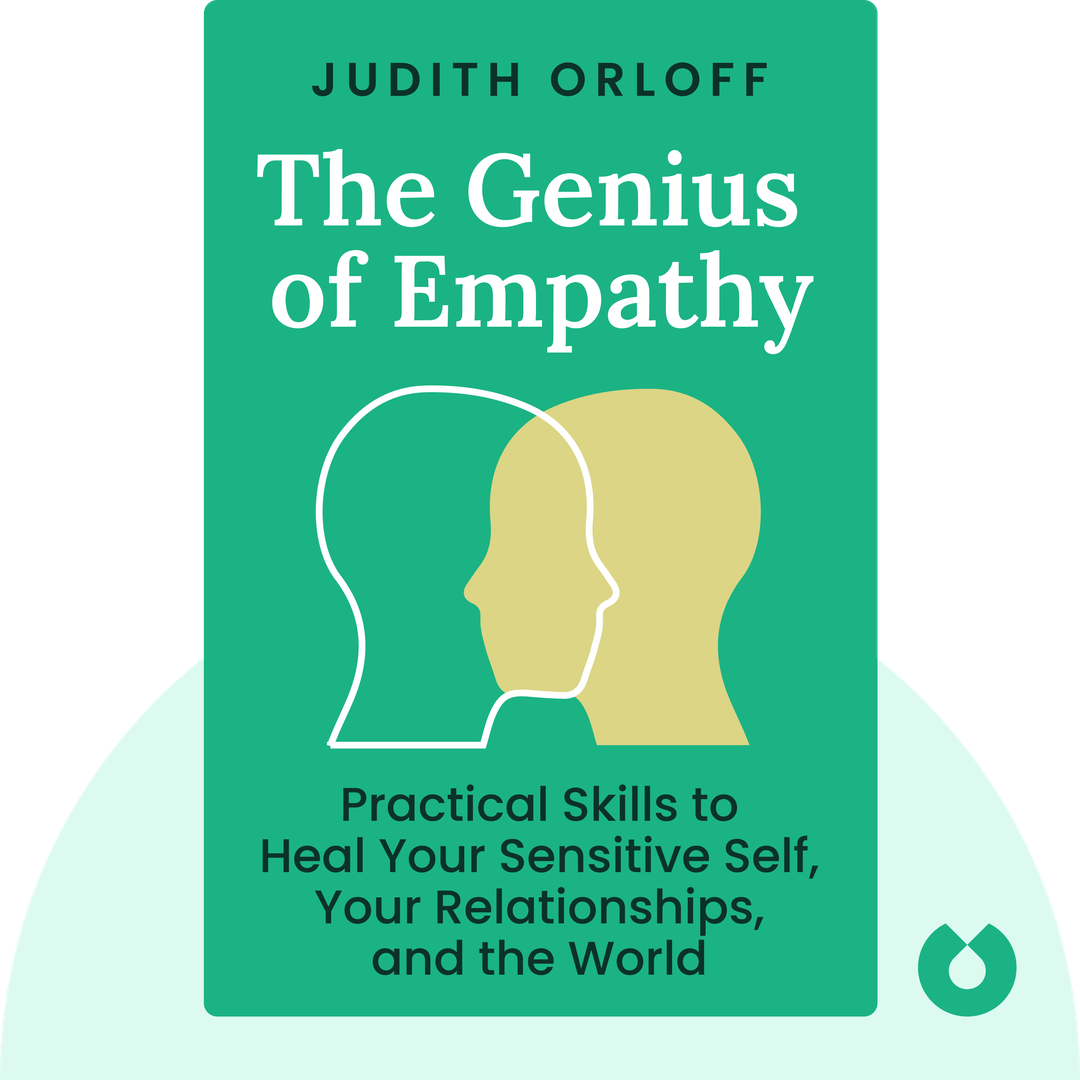
Listen to The Genius of Empathy — Free Audiobook
Loading player...
Key Takeaways from The Genius of Empathy
- Understand the crucial differences between empathy, sympathy, and compassion to deeply connect with others without becoming emotionally exhausted.
- Discover the four distinct styles of empathy—Cognitive, Emotional, Intuitive, and Spiritual—to identify your unique empathic type and better manage your boundaries.
- Master a practical four-step process for cultivating self-empathy that involves supportive inner dialogue, physical heart connection, and specific affirming statements.
- Learn how to protect your energy and prevent empathy overwhelm by setting healthy boundaries and using visualization techniques like enveloping yourself in white light.
- Find out how to repair and strengthen your relationships through empathic listening, allowing you to fully hear and support others without rushing to provide unsolicited advice.
Learning Tools
Reinforce what you learned from The Genius of Empathy
Mind Map
The Genius of Empathy
Understanding Empathy+
Styles of Empathy+
Cultivating Self-Empathy+
Empathy in Relationships+
Empathy for the World+
Quiz — Test Your Understanding
Question 1 of 7
According to the text, how does empathy fundamentally differ from compassion?
Question 2 of 7
Which empathy style relies heavily on reading nonverbal cues and sensing energies, and often benefits from visualization techniques like imagining a protective white light?
Question 3 of 7
In the four-step process for practicing self-empathy, what does the second step involve?
Question 4 of 7
Why can unresolved trauma act as a major obstacle to practicing self-empathy?
Question 5 of 7
What is a key characteristic of 'empathic listening' as described in the text?
Question 6 of 7
When 'responding with empathy,' which approach should you take to effectively support the other person?
Question 7 of 7
According to the book's perspective on cultivating a compassionate world, what is the primary purpose of forgiveness?
The Genius of Empathy — Full Chapter Overview
- 1Recommendation
- 2What is empathy?
- 3Practice empathy for yourself
- 4Practice empathy in your relationships
- 5Practice empathy for the world’s betterment
The Genius of Empathy Summary & Overview
The Genius of Empathy (2024) explores the transformative power of empathy in various aspects of life, including personal relationships and professional environments. It delves into practical techniques to cultivate empathy, aiming to enhance emotional intelligence and foster deeper connections with others.
Who Should Listen to The Genius of Empathy?
- Individuals seeking to enhance their emotional intelligence.
- Professionals wanting to improve workplace relationships.
- People interested in developing deeper personal connections.
Books Similar to The Genius of Empathy
Readers who enjoyed this also liked these titles.