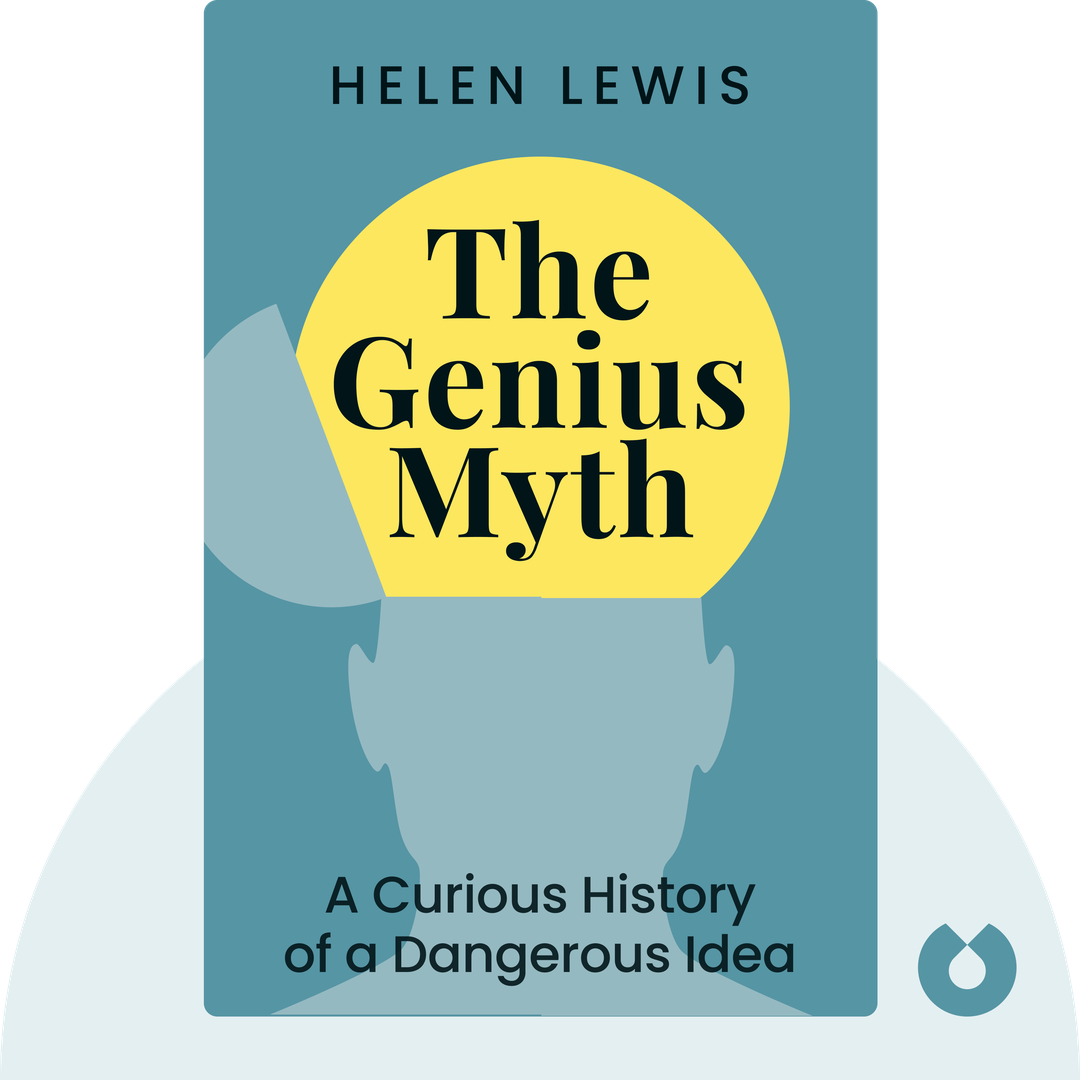
If You're Curious About These Questions...
You should listen to this audiobook
- Have you ever wondered why we shifted from viewing 'genius' as a collective spirit to an individual trait owned by a single person?
- Did you know that the myth of the 'lone genius' often hides the true, collaborative forces behind history's most iconic success stories?
- Are you curious about how our modern obsession with individual brilliance fuels a culture of exceptionalism—and even cruelty?
Listen to The Genius Myth — Free Audiobook
Loading player...
Key Takeaways from The Genius Myth
- Discover how the concept of 'genius' shifted from an ancient Roman guardian spirit to a modern narrative designed to artificially elevate certain individuals.
- Understand why the 'tortured artist' and 'child prodigy' stereotypes are actually centuries-old myths carefully crafted by Renaissance writer Giorgio Vasari.
- Learn how the Romantic era utilized the label of genius to excuse the scandalous, destructive, and otherwise unacceptable behaviors of culturally revered men.
- Uncover the dark connection between Victorian taxonomy and eugenics, revealing how Francis Galton weaponized the idea of 'hereditary genius' to justify systemic racism.
- Recognize why dismantling the 'great man' myth is essential for acknowledging the often-overlooked roles of luck, privilege, and collective support in true innovation.
Learning Tools
Reinforce what you learned from The Genius Myth
Mind Map
The Genius Myth
Evolution of the Concept+
Creation of Archetypes+
Eugenics and IQ Testing+
Erased Female Contributions+
The Tech Genius Illusion+
Moving Forward+
Quiz — Test Your Understanding
Question 1 of 7
What did the term 'genius' originally refer to in ancient Rome?
Question 2 of 7
How did Giorgio Vasari contribute to the modern concept of genius?
Question 3 of 7
What was Francis Galton's primary contribution to the evolving idea of genius?
Question 4 of 7
What did Lewis Terman's long-term study of high-IQ children (the 'Termites') ultimately demonstrate?
Question 5 of 7
What do the stories of Albert Einstein and Leo Tolstoy illustrate about the 'self-sufficient genius' myth?
Question 6 of 7
How did Thomas Edison influence the modern stereotype of the technological genius?
Question 7 of 7
What is the author's primary conclusion regarding the 'myth of genius'?
The Genius Myth — Full Chapter Overview
- 1Recommendation
- 2How a myth is made
- 3Genius meets eugenics
- 4Enter the club
- 5Genius and gender
- 6The trouble with genius
The Genius Myth Summary & Overview
The Genius Myth (2025) traces how Western culture transformed genius from a collective spirit into an individual trait. From Renaissance artists to tech pioneers, it reveals the hidden forces behind iconic success stories – and urges a more nuanced view of intelligence and its limits.
Who Should Listen to The Genius Myth?
- Art and history lovers seeking the hidden forces behind cultural narratives
- Psychology buffs intrigued by the power of archetypes
- Curious readers exploring how modern myths fuel ego, exceptionalism, and cruelty
Books Similar to The Genius Myth
Readers who enjoyed this also liked these titles.