If You're Curious About These Questions...
You should listen to this audiobook
- Did you know that confidence can often be a more powerful predictor of career success than actual skill or competence?
- Have you ever wondered why even the most high-achieving women often struggle with a "confidence gap" that their male peers don't seem to face?
- What if you could crack the biological and behavioral code to silence your inner critic and finally turn your hesitation into decisive action?
Listen to The Confidence Code — Cinematic Audio Edition
Loading player...
Key Takeaways from The Confidence Code
- Understand how confidence acts as the crucial bridge between thoughts and actions, empowering you to take risks rather than avoiding challenges out of a fear of failure.
- Discover how women can display genuine confidence through their natural strengths, like collaboration and active listening, without having to fake the aggressive behaviors typically expected in male-dominated workplaces.
- Learn why simply doing quality work isn't enough in the business world, and how mastering self-promotion is essential to seizing opportunities and securing the promotions you deserve.
- Find out why men negotiate their salaries four times more often than women, and realize why you must actively speak up and advocate for your own worth to thrive competitively.
- Grasp the vital distinction between competence and confidence, and see why even highly qualified women must actively cultivate self-belief to aim high and reach their true career potential.
Learning Tools
Reinforce what you learned from The Confidence Code
Mind Map
The Confidence Code
The Nature of Confidence+
The Gender Confidence Gap+
The Origins of Confidence+
Strategies to Increase Confidence+
Quiz — Test Your Understanding
Question 1 of 9
According to the book, what is the primary difference between optimism and confidence?
Question 2 of 9
What did professor Zach Estes discover when he forced female students to answer every question on a complicated puzzle test?
Question 3 of 9
How do the authors suggest women should handle the aggressive standards of confident behavior typically expected in male-dominated workplaces?
Question 4 of 9
Which of the following statistics highlights how a lack of confidence affects women in the business world?
Question 5 of 9
Why is it crucial to distinguish between confidence and competence?
Question 6 of 9
What role do genetics play in determining a person's level of confidence?
Question 7 of 9
According to the text, how does traditional upbringing often negatively impact young girls' confidence?
Question 8 of 9
How can individuals increase their confidence despite their genetic predisposition or upbringing?
Question 9 of 9
How do the authors suggest women should view failure in order to build their confidence?
The Confidence Code — Full Chapter Overview
- 1Recommendation
- 2Confidence links our thoughts directly to our actions.
- 3Women's confidence can be different from men's.
- 4Women's low confidence plays a highly damaging role in the business world today.
- 5Confidence matters just as much as competence for getting the job done well.
- 6Like other traits of character, confidence is partly set by our genes too.
- 7Confidence can also be shaped by our environment.
- 8We can train ourselves to be confident, even if our genetics do suggest otherwise.
- 9Confidence grows from failure and managing it in a constructive way.
The Confidence Code Summary & Overview
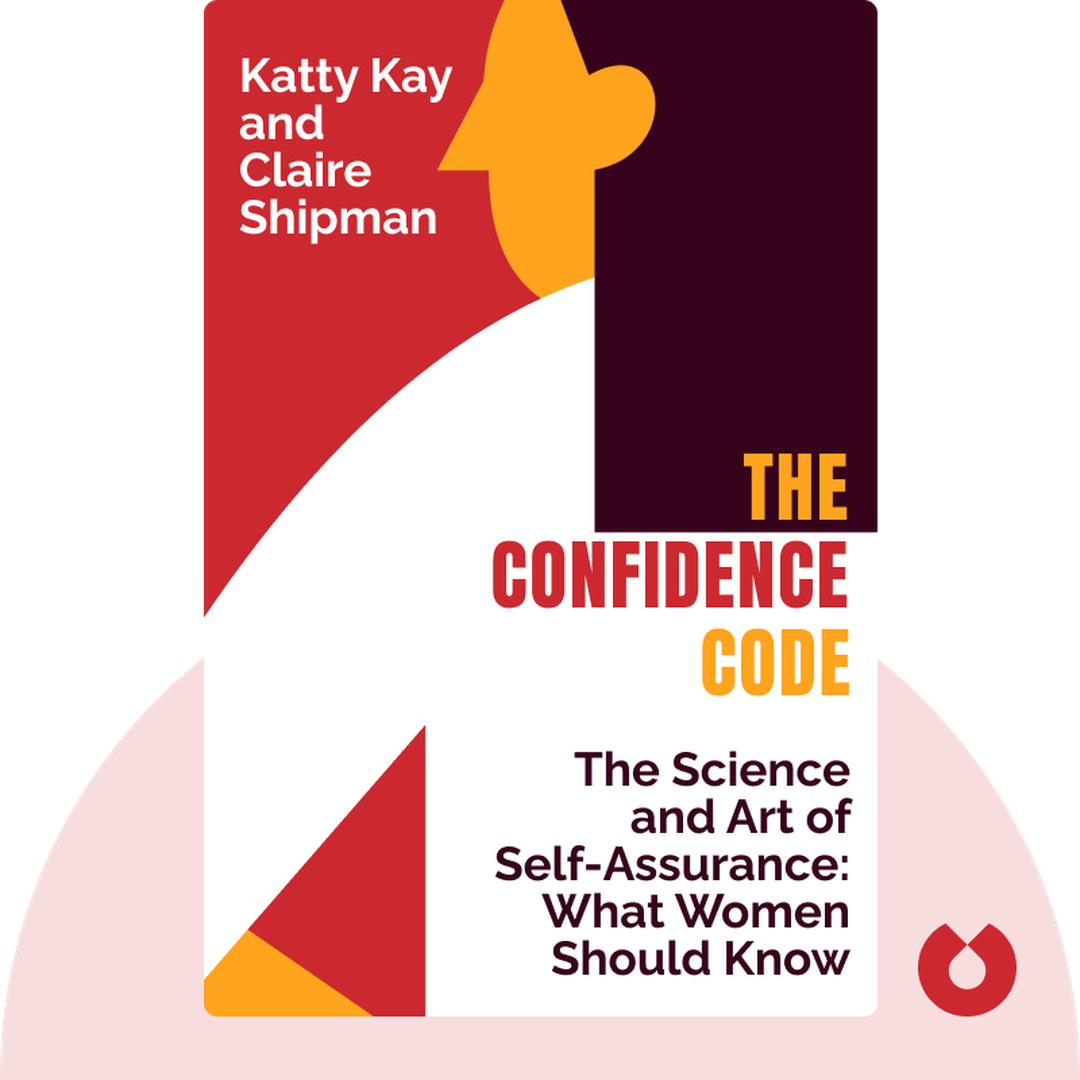
The Confidence Code explains how, in comparison with men, women lack confidence. It also explores the impact such lack of confidence has on women in various spheres of life, especially the business world, and offers advice on how women can increase their confidence.
Who Should Listen to The Confidence Code?
- Women who want to increase their confidence
- Parents of young girls who want to nurture confidence in them
- Women who want to go far in business
Books Similar to The Confidence Code
Readers who enjoyed this also liked these titles.