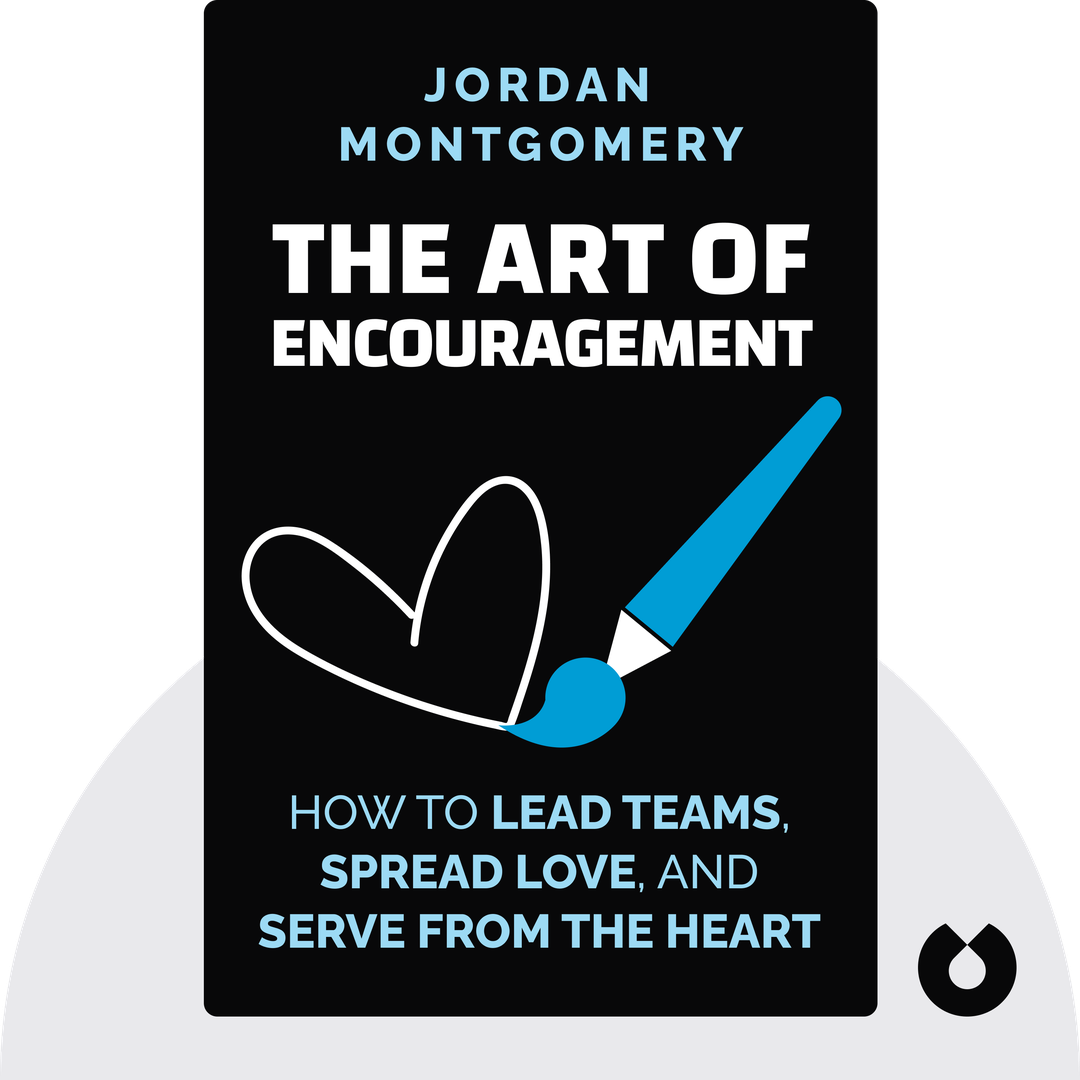
The Art of Encouragement
Start ListeningDownload Try free on iPhoneScan to start in 5 seconds
Categories:
If You're Curious About These Questions...
You should listen to this audiobook
- Have you ever wondered why simple words of encouragement can sometimes drive more productivity than performance bonuses or strict deadlines?
- What’s the secret to mastering the subtle 'art' of encouragement to unlock hidden potential in everyone you lead?
- Did you know that there is a specific, actionable framework for uplifting others that can redefine your effectiveness as a leader and mentor?
Listen to The Art of Encouragement — Free Audiobook
Loading player...
Key Takeaways from The Art of Encouragement
- Discover how mastering the universal language of encouragement acts as a lifeline, allowing you to uplift others and help them reach their full potential.
- Learn how practicing daily self-encouragement actually rewires your brain through neuroplasticity, creating positive neural pathways to overcome life's low points.
- Understand why praising a person's character and intrinsic traits is far more motivating than offering conditional praise based strictly on their performance or output.
- Master the art of reformulating everyday compliments into deep, character-based affirmations that make people feel truly seen and valued for who they are.
- Find out how to use 'vision casting' to illuminate the hidden strengths in others, helping them overcome harsh self-criticism and realize their true capabilities.
Learning Tools
Reinforce what you learned from The Art of Encouragement
Mind Map
The Art of Encouragement
Foundations of Encouragement+
Character-Based Praise+
Vision Casting+
Elevation+
Servant Leadership+
Authenticity & Vulnerability+
Quiz — Test Your Understanding
Question 1 of 6
According to the book, what is the scientific benefit of practicing self-encouragement?
Question 2 of 6
Why does the author argue that character-based encouragement is more powerful than performance-based encouragement?
Question 3 of 6
What is the primary goal of 'vision casting' as a form of illuminating encouragement?
Question 4 of 6
How does the book distinguish between standard encouragement and 'elevation'?
Question 5 of 6
Which action best demonstrates the concept of 'servant leadership' as described in the text?
Question 6 of 6
According to the section on authentic encouragement, why is it important to share your mistakes and weaknesses with others?
The Art of Encouragement — Full Chapter Overview
- 1Recommendation
- 2Encouragement and self-encouragement are powerful practices
- 3Praise the person, not just the performance
- 4Help others see new possibilities
- 5Don’t just encourage—lift others higher!
- 6Encourage others through servant leadership
- 7Offer encouragement authentically
- 8Final summary
The Art of Encouragement Summary & Overview
The Art of Encouragement (2024) is a practical guide that empowers readers to enhance wellbeing and productivity through the power of encouragement. It offers actionable strategies for leaders to develop their teams, maximize impact, and create positive change within their organizations and communities. With compelling narratives and straightforward lessons, it serves as an essential resource for anyone looking to uplift and inspire those around them.
Who Should Listen to The Art of Encouragement?
- Managers looking to improve team dynamics and drive productivity
- Coaches and consultants who guide others in personal and professional development
- Mentors interested in enhancing their leadership skills
Books Similar to The Art of Encouragement
Readers who enjoyed this also liked these titles.