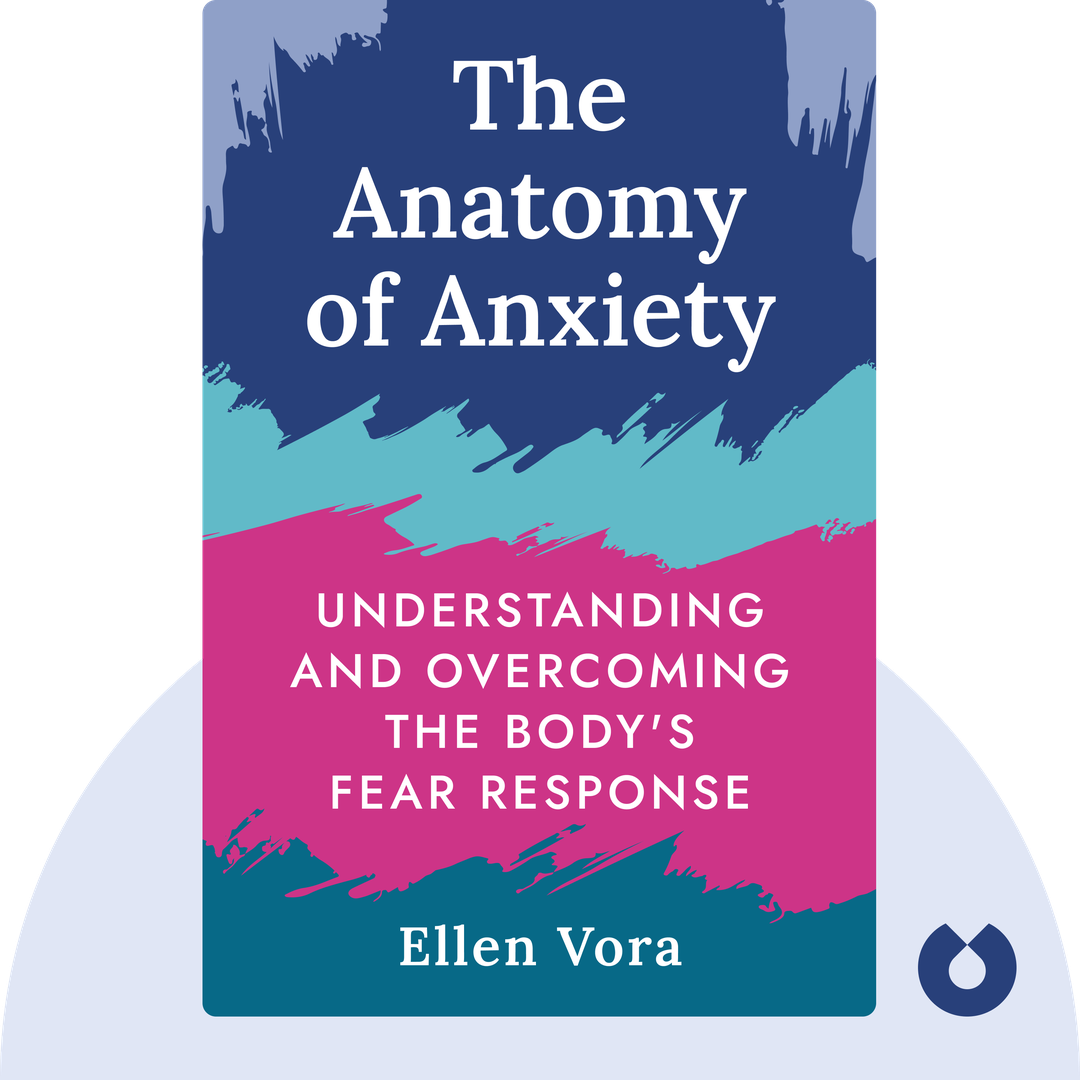
The Anatomy of Anxiety
Start ListeningDownload Try free on iPhoneScan to start in 5 seconds
Categories:
If You're Curious About These Questions...
You should listen to this audiobook
- Did you know that many forms of anxiety aren't actually 'in your head,' but are physical signals sent by your body due to simple lifestyle imbalances?
- Have you ever wondered why you feel anxious even when nothing is wrong, and what's the secret to telling the difference between 'false' alarms and your true inner voice?
- What if you could stop viewing your anxiety as an enemy and instead learn how to use it as a powerful compass for personal growth?
Listen to The Anatomy of Anxiety — Free Audiobook
Loading player...
Key Takeaways from The Anatomy of Anxiety
- Understand the crucial distinction between 'false' anxiety caused by physical imbalances and 'true' anxiety, which acts as a profound internal compass to guide your life choices.
- Discover why resolving your 'false' anxiety through lifestyle tweaks clears mental noise, allowing you to actually tune into and harness the messages of your 'true' anxiety.
- Learn how to reclaim your natural sleep rhythms and break the anxiety-insomnia cycle by embracing morning sunlight, limiting artificial evening light, and avoiding revenge bedtime procrastination.
- Find out why midnight anxiety attacks are often triggered by blood sugar crashes, and how a simple spoonful of almond butter before bed can prevent sleep-disrupting cortisol spikes.
- Master eating for calm by fueling your body with nutrient-dense vegetables, healthy fats, and complex carbohydrates like sweet potatoes to stabilize blood sugar and quiet your body's stress response.
Learning Tools
Reinforce what you learned from The Anatomy of Anxiety
Mind Map
The Anatomy of Anxiety
Core Philosophy+
False Anxiety: Sleep+
False Anxiety: Nutrition+
Discharging Physical Stress+
True Anxiety: The Inner Compass+
Quiz — Test Your Understanding
Question 1 of 6
According to Ellen Vora, what is the primary difference between 'true' and 'false' anxiety?
Question 2 of 6
What physiological event often causes people to wake up in the middle of the night feeling inexplicably anxious?
Question 3 of 6
How does the author suggest individuals, particularly women of reproductive age, approach carbohydrates to manage anxiety?
Question 4 of 6
In the context of the autonomic nervous system and polyvagal theory, what characterizes the 'dorsal vagal response'?
Question 5 of 6
Why does the author use the example of a rabbit shaking vigorously after a wolf passes?
Question 6 of 6
How does Ellen Vora advise readers to view high emotional sensitivity in relation to 'true' anxiety?
The Anatomy of Anxiety — Full Chapter Overview
- 1Recommendation
- 2Anxiety: true and false
- 3Restore your natural rhythm
- 4Eating for calmness
- 5Releasing trapped stress from your body
- 6Anxiety as your guide
The Anatomy of Anxiety Summary & Overview
The Anatomy of Anxiety (2022) challenges the conventional view that anxiety is solely a mental disorder. It proposes that many forms of anxiety originate from bodily imbalances rather than troubled thoughts. It offers actionable strategies for managing anxiety through lifestyle and diet adjustments, while also suggesting that some forms of anxiety can serve as helpful signals for achieving a more balanced life.
Who Should Listen to The Anatomy of Anxiety?
- Individuals struggling with chronic anxiety
- Highly sensitive people seeking to understand and embrace their nature
- Anyone looking to deepen their self-awareness and personal growth journey
Books Similar to The Anatomy of Anxiety
Readers who enjoyed this also liked these titles.