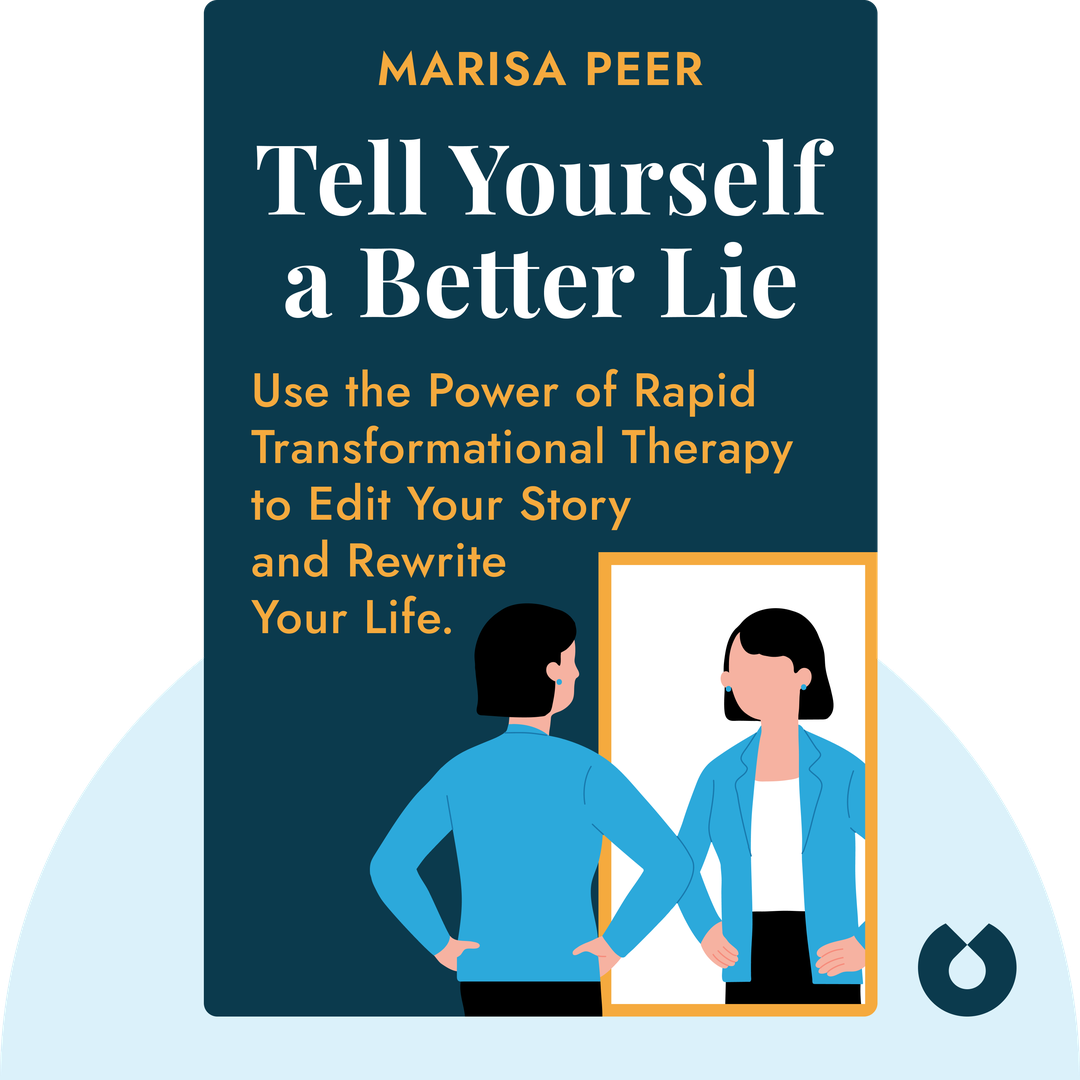
Tell Yourself a Better Lie
Start ListeningDownload Try free on iPhoneScan to start in 5 seconds
Categories:
If You're Curious About These Questions...
You should listen to this audiobook
- Did you know that the 'lies' you tell yourself every day are actually the blueprint for your reality, and that choosing better ones could be the key to your success?
- Have you ever wondered why your mind clings to self-limiting beliefs, and what's the secret to tricking your brain into a more empowering perspective?
- What if you could reprogram your internal dialogue to move from a place of constant doubt to unshakable confidence using just a few practical tools?
Listen to Tell Yourself a Better Lie — Free Audiobook
Loading player...
Key Takeaways from Tell Yourself a Better Lie
- Discover how the subconscious stories you formed in childhood shape your reality, and learn how to rewrite these self-limiting narratives to unlock a more fulfilling life.
- Master the RFPI (Role, Function, Purpose, and Intention) technique to give your behavioral struggles a voice, reframing them as misguided protectors rather than lifelong enemies.
- Understand why compulsive behaviors often stem from a profound lack of childhood safety, and learn how reparenting your inner child can address the root of these emotional wounds.
- Realize that childhood rejection and parental neglect reflect your parents' own unhealed wounds, not your fundamental worth, freeing you from the cycle of addiction and self-sabotage.
- Uncover how persistent sadness and low self-confidence frequently mask deep-seated, unresolved anger, and discover how acknowledging this hidden emotion can help you reclaim your self-worth.
Learning Tools
Reinforce what you learned from Tell Yourself a Better Lie
Mind Map
Tell Yourself a Better Lie
Core Philosophy & Methods+
Reframing Coping Mechanisms+
Healing Deep Emotional Wounds+
Universal Healing Strategies+
Quiz — Test Your Understanding
Question 1 of 7
What is the primary goal of Rapid Transformational Therapy (RTT) as described in the text?
Question 2 of 7
Through the RFPI technique, how did Carrie learn to view her Obsessive-Compulsive Disorder (OCD)?
Question 3 of 7
What crucial realization helped Ryan overcome his addictions and self-sabotaging behaviors?
Question 4 of 7
What underlying emotion was Gemma's persistent sadness actually masking?
Question 5 of 7
How did Lucy attempt to cope with her deeply ingrained childhood belief that she was unwanted?
Question 6 of 7
According to Jasmeen’s story, how should eating disorders be primarily understood?
Question 7 of 7
What surprising root cause did Daniel discover for his debilitating fear of needles?
Tell Yourself a Better Lie — Full Chapter Overview
- 1Recommendation
- 2Beating OCD by healing emotional wounds
- 3Tackling the roots of addiction and self-worth
- 4Revealing hidden sadness and reclaiming self-worth
- 5Breaking free of the grip of depression
- 6Rewriting the narrative behind eating disorders
- 7Healing the origins of fear and guilt
Tell Yourself a Better Lie Summary & Overview
Tell Yourself a Better Lie (2021) explores how the stories we tell ourselves shape our reality, and offers strategies to reframe negative beliefs into empowering ones. Through practical tools and case studies, you’ll learn to identify and transform self-limiting thoughts – and take steps toward personal growth and emotional well-being.
Who Should Listen to Tell Yourself a Better Lie?
- Self-improvement enthusiasts seeking to overcome self-limiting beliefs
- Ambitious professionals looking to boost confidence and resilience
- Anyone struggling with persistent negative self-talk or doubt
Books Similar to Tell Yourself a Better Lie
Readers who enjoyed this also liked these titles.