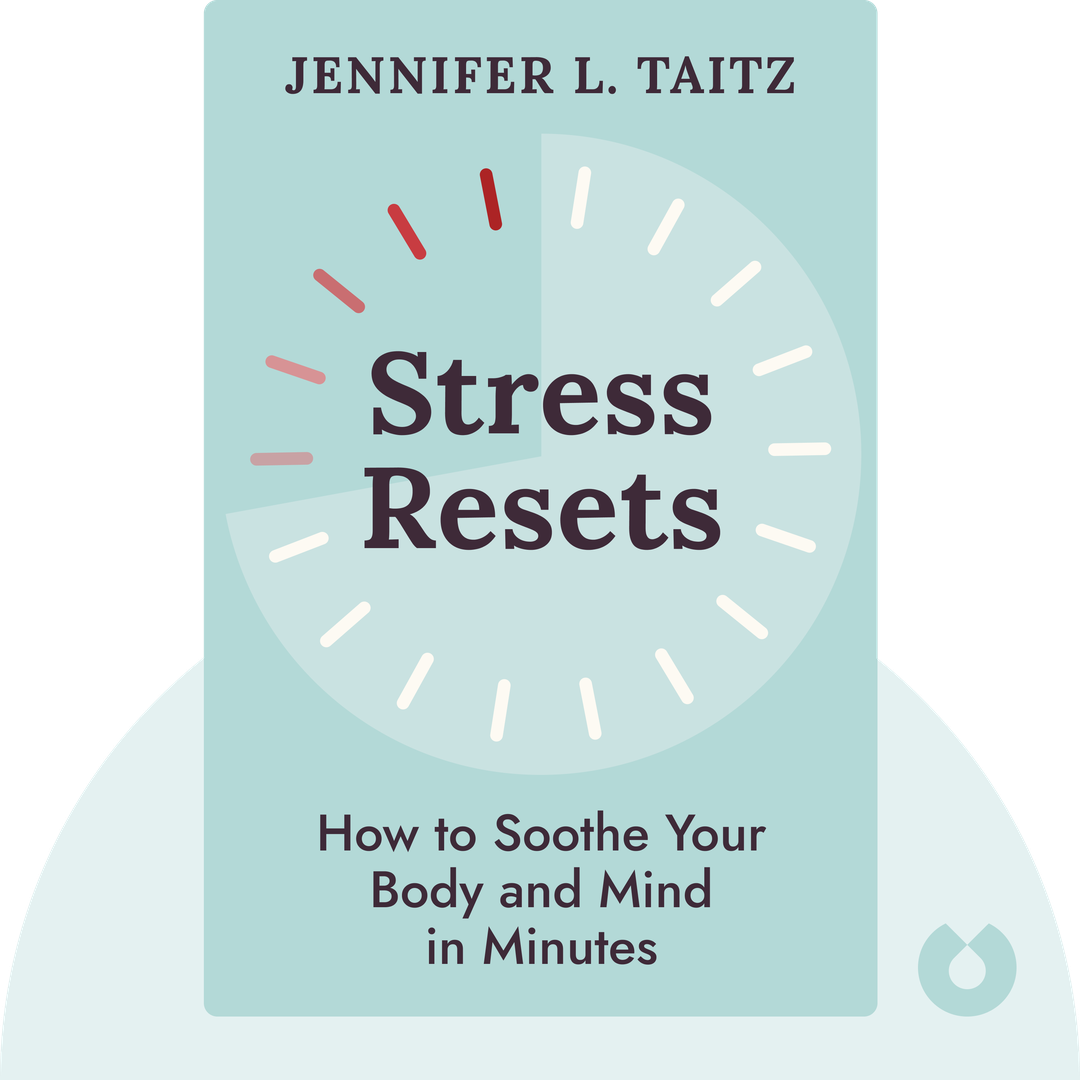
If You're Curious About These Questions...
You should listen to this audiobook
- Did you know that you can reset your nervous system in seconds using scientifically proven exercises that require absolutely no meditation or medication?
- What if you could master a set of 'emergency' tools to stop a stress spiral the moment it starts, regardless of how busy your schedule is?
- What’s the secret to changing your body's physical reaction to pressure so you can stay calm and focused during life’s most overwhelming moments?
Listen to Stress Resets — Free Audiobook
Loading player...
Key Takeaways from Stress Resets
- Discover how to reframe stress from an insurmountable threat into a powerful motivator that actually enhances your focus and resilience.
- Learn how to break the exhausting cycle of overthinking by using mindfulness and actionable goal-setting to anchor yourself in the present moment.
- Master the 'dimmer switch' approach to emotional regulation, allowing you to gently adjust the intensity of your feelings rather than trying to completely suppress them.
- Understand why building structured daily routines and prioritizing physical exercise are far more effective at combating stress than relying on unhealthy, temporary coping mechanisms.
- Find out how aligning your daily activities with your core personal values can help you maintain a fulfilling life, even when facing chronic pain or deep-seated anxiety.
Learning Tools
Reinforce what you learned from Stress Resets
Mind Map
Stress Resets
Understanding & Reframing Stress+
Enhancing Personal Resilience+
Stress Resets (Immediate Relief)+
Stress Buffers (Long-term Habits)+
Quiz — Test Your Understanding
Question 1 of 9
According to the psychological theory proposed by Lazarus and Folkman, what is the primary difference between stress and anxiety?
Question 2 of 9
How did Laurie successfully transform her stress regarding her job security and upcoming annual review?
Question 3 of 9
What emotional regulation approach did Asha use to better manage the extreme emotional swings caused by juggling her career and family?
Question 4 of 9
When experiencing intense emotions, what does the 'riding the wave' technique involve?
Question 5 of 9
Why does the book recommend immersing your face in a bowl of ice water for up to 60 seconds?
Question 6 of 9
In the context of behavioral resets, what does the 'STOP' method stand for?
Question 7 of 9
What strategy is suggested for managing worries about things outside of your control?
Question 8 of 9
What is the purpose of 'interoceptive exposure' for individuals who fear recurring panic attacks?
Question 9 of 9
How does the book suggest you handle setbacks constructively to foster personal growth?
Stress Resets — Full Chapter Overview
- 1Recommendation
- 2Understanding Stress and Reframing It
- 3Ways to Build Personal Resilience
- 4Improve Your Well-Being with Stress Resets
- 5Build Resilience with Stress Buffers
- 6Final summary
Stress Resets Summary & Overview
Stress Resets (2024) offers a plethora of quick and scientifically validated methods for managing stress. It introduces you to effective exercises that promise to ease your stress quickly without intensive meditation, medications, or alcohol. Through practical tips and exercises, it teaches you to regulate your emotions and build resilience, fundamentally changing how you perceive and handle stress.
Who Should Listen to Stress Resets?
- Busy professionals looking to enhance their stress management skills
- Stressed students needing focus and anxiety relief
- Overwhelmed parents seeking emotional balance
Books Similar to Stress Resets
Readers who enjoyed this also liked these titles.