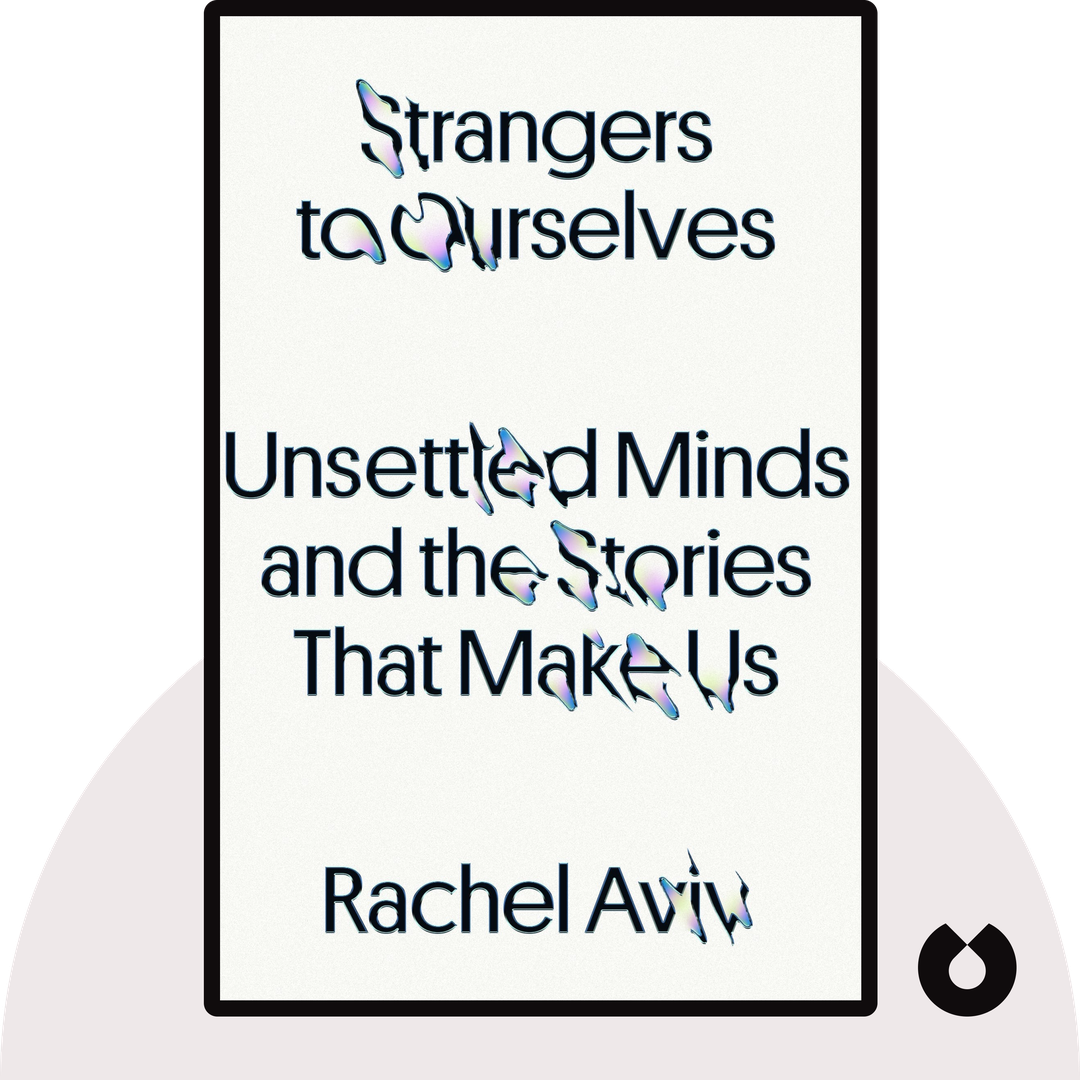
Strangers to Ourselves
Start ListeningDownload Try free on iPhoneScan to start in 5 seconds
Categories:
If You're Curious About These Questions...
You should listen to this audiobook
- Have you ever wondered if a psychiatric diagnosis is a helpful map for your life, or a cage that limits who you can truly become?
- What if the secret to understanding mental health isn't found in a medical textbook, but in the unique, deeply personal stories we tell ourselves about our own minds?
- Are you curious about how the same mental health crisis can be interpreted as a spiritual awakening in one culture and a clinical disorder in another?
Listen to Strangers to Ourselves — Cinematic Audio Edition
Loading player...
Key Takeaways from Strangers to Ourselves
- Discover how early psychiatric labels and cultural expectations can profoundly shape a person's self-narrative and alter the trajectory of their life.
- Understand why neither traditional psychoanalytic talk therapy nor modern biochemical drug models are entirely sufficient to resolve complex human suffering.
- Explore how social, cultural, and spiritual contexts—rather than just Western psychiatric frameworks—are essential for truly understanding a person's psychic distress.
- Realize how modern healthcare systems meant to treat mental illness frequently fail to see the resilient human being behind the clinical diagnosis.
- Uncover how environmental factors and peer influences within psychiatric facilities can inadvertently teach and reinforce destructive behaviors.
Learning Tools
Reinforce what you learned from Strangers to Ourselves
Mind Map
Strangers to Ourselves
Core Themes+
Rachel (The Author)+
Ray (The Physician)+
Bapu (The Ascetic)+
Naomi (The Mother)+
Laura (The High Achiever)+
Key Takeaways+
Quiz — Test Your Understanding
Question 1 of 7
What is the primary overarching theme regarding mental illness presented in the book?
Question 2 of 7
In reflecting on her childhood diagnosis of anorexia, what does Rachel Aviv believe played a crucial role in her rapid recovery?
Question 3 of 7
Why did Ray sue the Chestnut Lodge psychiatric hospital?
Question 4 of 7
Despite winning a financial settlement in his lawsuit, what does Ray's ultimate fate suggest about the treatment of mental illness?
Question 5 of 7
How does Bapu's story illustrate the limitations of Western psychiatry?
Question 6 of 7
What critical factor did psychiatric institutions fail to properly understand when diagnosing and treating Naomi?
Question 7 of 7
How did Laura's relationship with her psychiatric diagnoses change over time?
Strangers to Ourselves — Full Chapter Overview
- 1Recommendation
- 2Rachel
- 3Ray
- 4Bapu
- 5Naomi
- 6Laura
Strangers to Ourselves Summary & Overview
Strangers to Ourselves (2022) is a collection of stories exploring new ways of thinking about mental illness. By shedding light on the people behind the diagnoses, it reveals the humanity that connects us all.
Who Should Listen to Strangers to Ourselves?
- Those living with or interested in mental health issues
- People looking for intimate personal stories
- Anyone who has felt limited by a psychiatric diagnosis
Books Similar to Strangers to Ourselves
Readers who enjoyed this also liked these titles.