If You're Curious About These Questions...
You should listen to this audiobook
- What's the secret to making your organization stand out from the crowd and inspire loyalty in your customers and employees?
- Have you ever wondered why some leaders are able to inspire and motivate their teams, while others struggle to get buy-in?
- What if you could unlock the power of purpose and drive innovation and growth in your business?
Listen to Start With Why — Cinematic Audio Edition
Loading player...
Key Takeaways from Start With Why
- Understand the fundamental rule of inspiring leadership: people don't buy what you do, they buy why you do it.
- Discover why manipulative marketing tactics like discounts only yield short-term gains, while genuine inspiration builds long-lasting customer loyalty.
- Learn how Apple built an intensely devoted customer base by prioritizing a deeper mission to empower individuals rather than relying on price incentives.
- Master Sinek's Golden Circle framework to clearly define and communicate your organization's mission, process, and product from the inside out.
- Find out how to identify your business's core purpose so you can transform your everyday products into powerful vehicles for an inspiring vision.
Learning Tools
Reinforce what you learned from Start With Why
Mind Map
Start With Why
Influence Behavior+
The Golden Circle+
Business Advantages+
Practical Application+
Quiz — Test Your Understanding
Question 1 of 7
According to the text, what is the primary difference between manipulation and inspiration in business?
Question 2 of 7
What are the three components of the Golden Circle, moving from the innermost circle to the outermost?
Question 3 of 7
Based on the book's examples, why did Apple's iPod succeed while Dell's MP3 player failed to gain the same traction?
Question 4 of 7
According to Sinek, which two types of customers are crucial to attract first when trying to achieve mass-market penetration?
Question 5 of 7
What practical strategy does the text suggest for a leader trying to discover their 'why'?
Question 6 of 7
As a company grows, what should the leader primarily focus on regarding the Golden Circle?
Question 7 of 7
What is the main takeaway from the closing analogy of the two medieval stonemasons?
Start With Why — Full Chapter Overview
- 1Recommendation
- 2How to truly inspire—and how not to
- 3Apple and its Golden Circle
- 4How to begin with why
Start With Why Summary & Overview
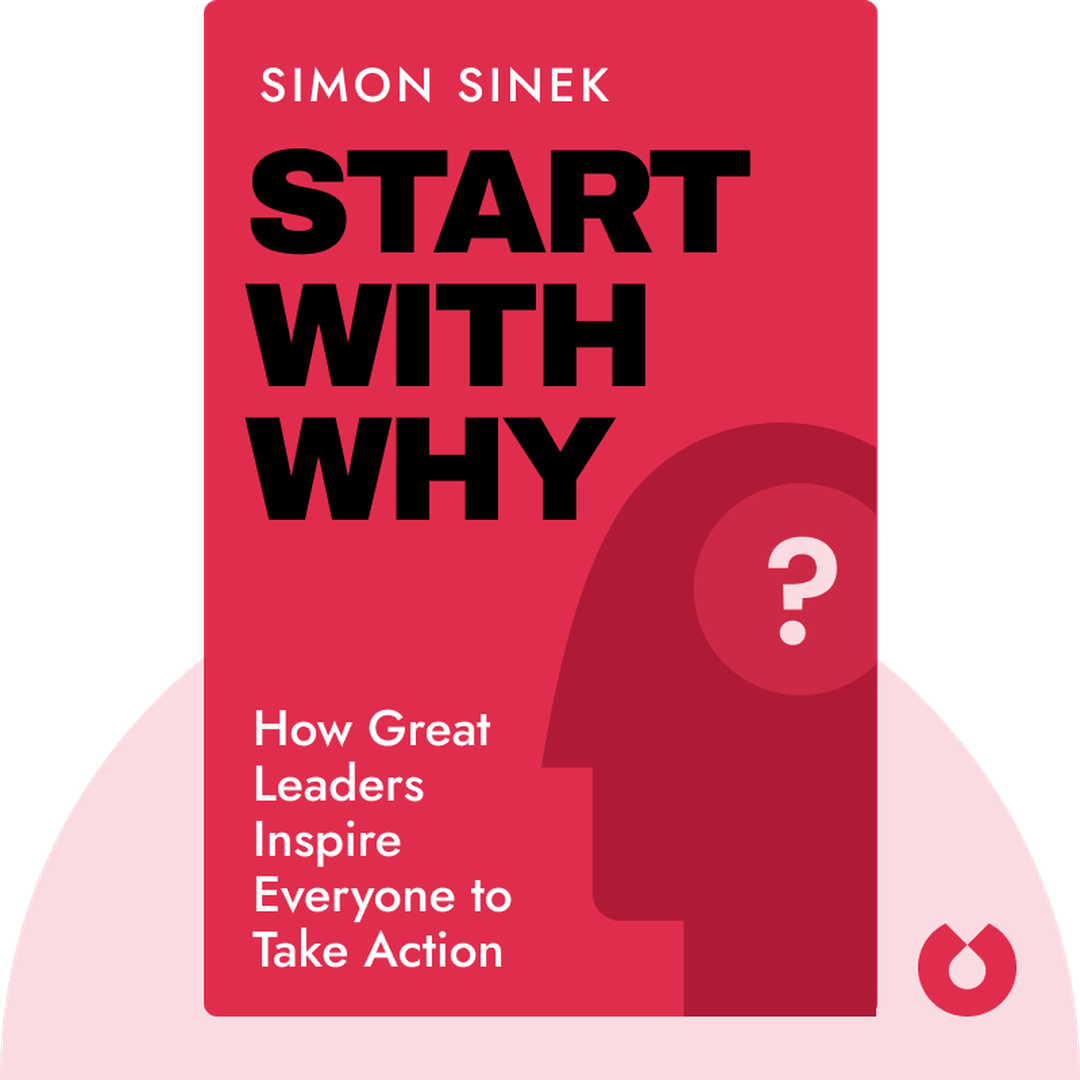
Start With Why (2009) tackles a fundamental question: What makes some organizations and people more innovative, influential, and profitable than others? Based on best-selling author Simon Sinek’s hugely influential lecture of the same name, the third most-watched TED talk of all time, these blinks unpack the answer to that conundrum. As Sinek’s examples show, it’s all about asking why rather than what.
Who Should Listen to Start With Why?
- Managers and team leaders
- Entrepreneurs building their brand
- Self-starters in need of a bit of inspiration
Books Similar to Start With Why
Readers who enjoyed this also liked these titles.