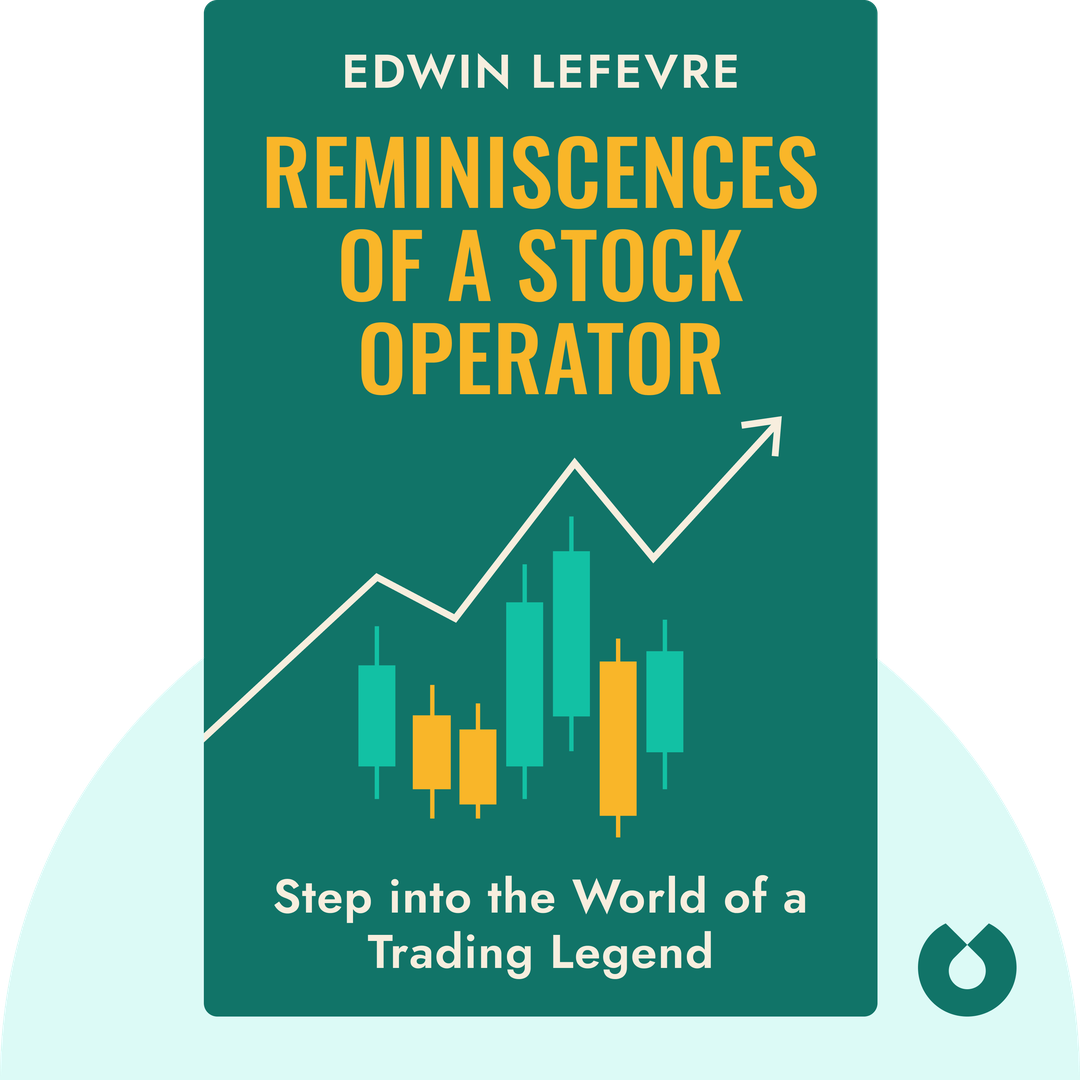
Reminiscences of a Stock Operator
Start ListeningDownload Try free on iPhoneScan to start in 5 seconds
Categories:
If You're Curious About These Questions...
You should listen to this audiobook
- Did you know that the stock market never truly changes because human nature remains exactly the same as it was a century ago?
- Have you ever wondered why the most legendary traders claim that the 'big money' isn't made in the buying or the selling, but in one specific, difficult habit?
- What if you could learn the exact psychological traps that lead even the most brilliant investors to ruin—and how to avoid them?
Listen to Reminiscences of a Stock Operator — Free Audiobook
Loading player...
Key Takeaways from Reminiscences of a Stock Operator
- Understand why anticipating major market trends is far more profitable than reacting to minor, daily stock fluctuations.
- Discover the critical importance of self-reliance by developing your own analytical system to resist the perilous influence of external tips.
- Learn how to identify the market's 'line of least resistance' by combining psychological insights with technical factors before executing a trade.
- Master the art of patience and steadfast conviction, recognizing that true success requires holding your position rather than giving in to impulsive trading.
- Recognize the dangerous pitfalls of overconfidence and learn how to recalibrate your discipline to survive and thrive in highly volatile markets.
Learning Tools
Reinforce what you learned from Reminiscences of a Stock Operator
Mind Map
Reminiscences of a Stock Operator
Early Foundations & Bucket Shops+
Developing a Trading Strategy+
Market Dynamics & Execution+
Managing Highs and Lows+
Psychology & Market Manipulation+
Quiz — Test Your Understanding
Question 1 of 6
What was a crucial realization for Larry Livingston when he transitioned from trading in bucket shops to legitimate brokerage firms?
Question 2 of 6
How did Larry's trading strategy fundamentally shift after he began trading on the New York Stock Exchange?
Question 3 of 6
What significant action did Larry take on the climactic day of the 1907 market crash?
Question 4 of 6
What did Larry's experience with the Chesapeake and Atlantic railroad stock teach him about market dynamics?
Question 5 of 6
According to Larry's trading philosophy, what is the best course of action during lean market times when opportunities are scarce?
Question 6 of 6
What are the two foundational principles Larry Livingston ultimately credits as the keys to successful stock trading?
Reminiscences of a Stock Operator — Full Chapter Overview
- 1Recommendation
- 2Early years and the bucket shops
- 3Building a trading strategy on the New York Stock Exchange
- 4Insiders and the role of self-reliance
- 5Resisting pressure and grasping market dynamics
- 6The highs and lows: lessons from successes and failures
- 7Final lessons on market wisdom and resilience
Reminiscences of a Stock Operator Summary & Overview
Reminiscences of a Stock Operator (1923) looks at the life and trading strategies of Jesse Livermore, a professional stock and commodities trader, through the pseudonymous character of Larry Livingston. It explores the psychological challenges and strategic complexities of trading, offering timeless insights into market behavior and the discipline required for success in the financial world.
Who Should Listen to Reminiscences of a Stock Operator?
- Aspiring traders seeking market wisdom
- Investors interested in trading history
- Business students applying real-world trading
Books Similar to Reminiscences of a Stock Operator
Readers who enjoyed this also liked these titles.