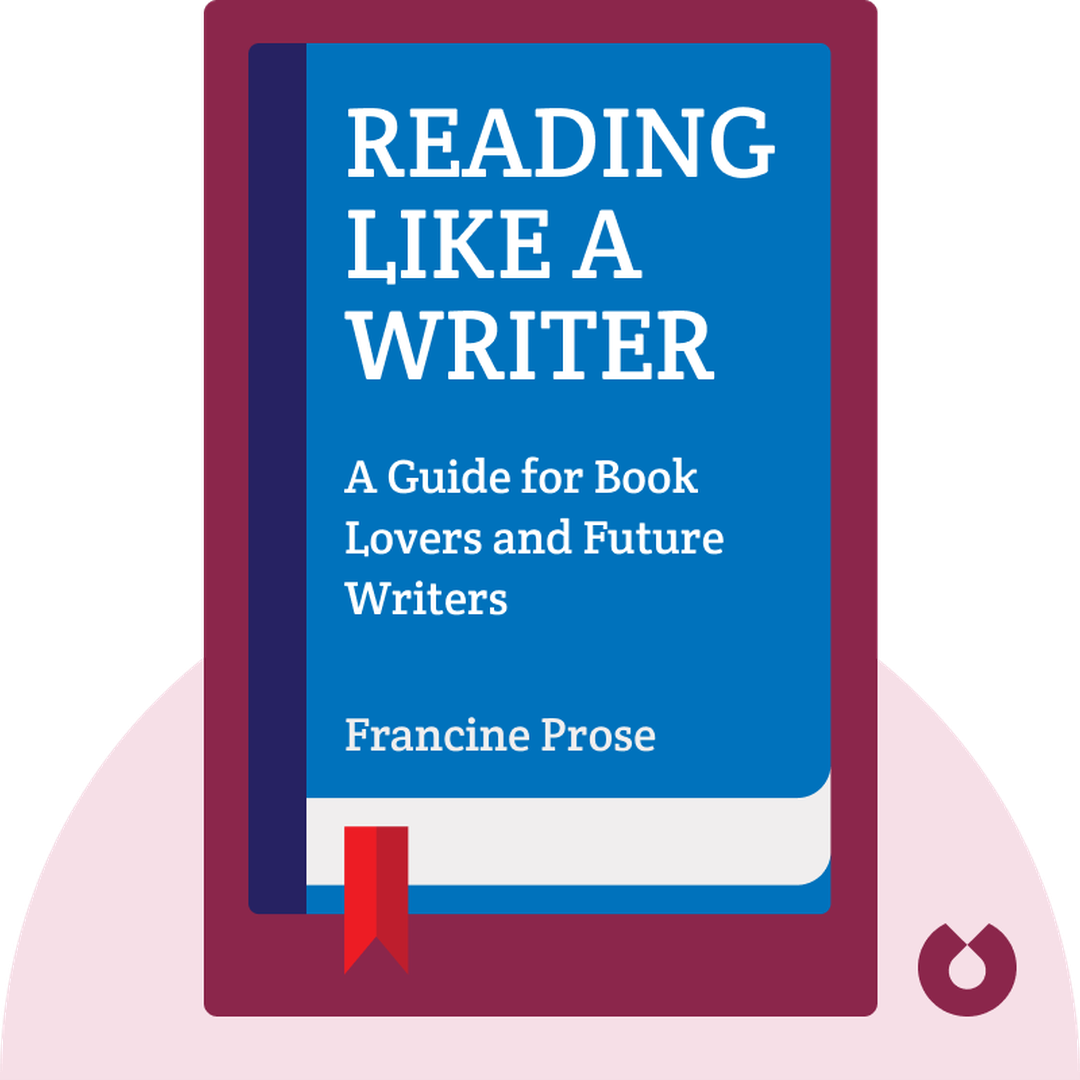
If You're Curious About These Questions...
You should listen to this audiobook
- Have you ever wondered why slowing down your reading pace is the ultimate secret to mastering the art of writing?
- What if you could learn to spot the invisible patterns that literary masters use to make their fiction feel incredibly authentic and powerful?
- Are you curious about how a single word choice or sentence structure can be the difference between a forgettable story and a timeless classic?
Listen to Reading Like a Writer — Cinematic Audio Edition
Loading player...
Key Takeaways from Reading Like a Writer
- Discover how to improve your own writing by adopting the mindset of a master author through the art of close, inquisitive reading.
- Learn why abandoning the habit of skim-reading to deliberately hunt for hidden literary patterns will unlock deeper layers of meaning.
- Understand how meticulous word choice shapes character development, down to using intentionally incorrect words to reflect a character's unique social background.
- Master the craft of writing beautiful sentences by combining clean, essential phrasing with musical rhythms and subtle repetition.
- Find out why paragraphing is the most revealing element of any writer's unique style and how it functions as a powerful tool for pacing and emphasis.
Learning Tools
Reinforce what you learned from Reading Like a Writer
Mind Map
Reading Like a Writer
The Art of Close Reading+
The Power of Words+
Crafting Sentences+
Mastering Paragraphs+
Intriguing Narrators+
Revealing Character+
The Magic of Details+
Finding Your Voice+
Quiz — Test Your Understanding
Question 1 of 8
Why do adults often fail at close reading compared to children, according to the text?
Question 2 of 8
What is the primary purpose of analyzing an author's specific word choices, such as James Joyce's use of the incorrect word 'literally' in 'The Dead'?
Question 3 of 8
According to the text, what is the most revealing and difficult-to-disguise element of an individual's writing style?
Question 4 of 8
How does the author suggest we conceptualize paragraphing to get the balance right?
Question 5 of 8
What is the essential requirement for a first-person narrator to be successful?
Question 6 of 8
How do Heinrich von Kleist and Jane Austen primarily differ in the way they reveal their characters' unique personalities?
Question 7 of 8
What crucial trait do great writers share with 'smart liars'?
Question 8 of 8
What actionable advice does the author give to help writers overcome fear and find their true voice?
Reading Like a Writer — Full Chapter Overview
- 1Recommendation
- 2Rediscover the practice of close reading to enter a great writer’s mind fully.
- 3Word choice powerfully shapes both plot and the development of characters.
- 4Beautiful sentences are clear, concise, musical, and rhythmical.
- 5Paragraphs let the reader breathe gently.
- 6The best narrators are those who keep you intrigued.
- 7Actions, thoughts, and dialogue expose a character’s unique personality to the reader.
- 8Details are what make characters and stories spring to life.
Reading Like a Writer Summary & Overview
Reading Like a Writer (2006) shows us how to read literary masterpieces with open eyes. These blinks explain the patterns of writing that make fiction memorable, powerful and authentic, helping us slow down our reading and find more enjoyable experiences in every book.
Who Should Listen to Reading Like a Writer?
- Avid readers who want to get more out of their fiction-reading experience
- Writers and those dreaming of becoming one
- Anyone who promised themselves they’d read the classics, but hasn’t managed to yet
Books Similar to Reading Like a Writer
Readers who enjoyed this also liked these titles.