If You're Curious About These Questions...
You should listen to this audiobook
- Did you know that the most creative and successful breakthroughs often come from those who prefer solitude over the spotlight?
- Have you ever wondered why introverts often make more effective leaders in certain environments than their more outgoing peers?
- What's the secret to thriving in a world that can't stop talking when your greatest strengths are found in the quiet?
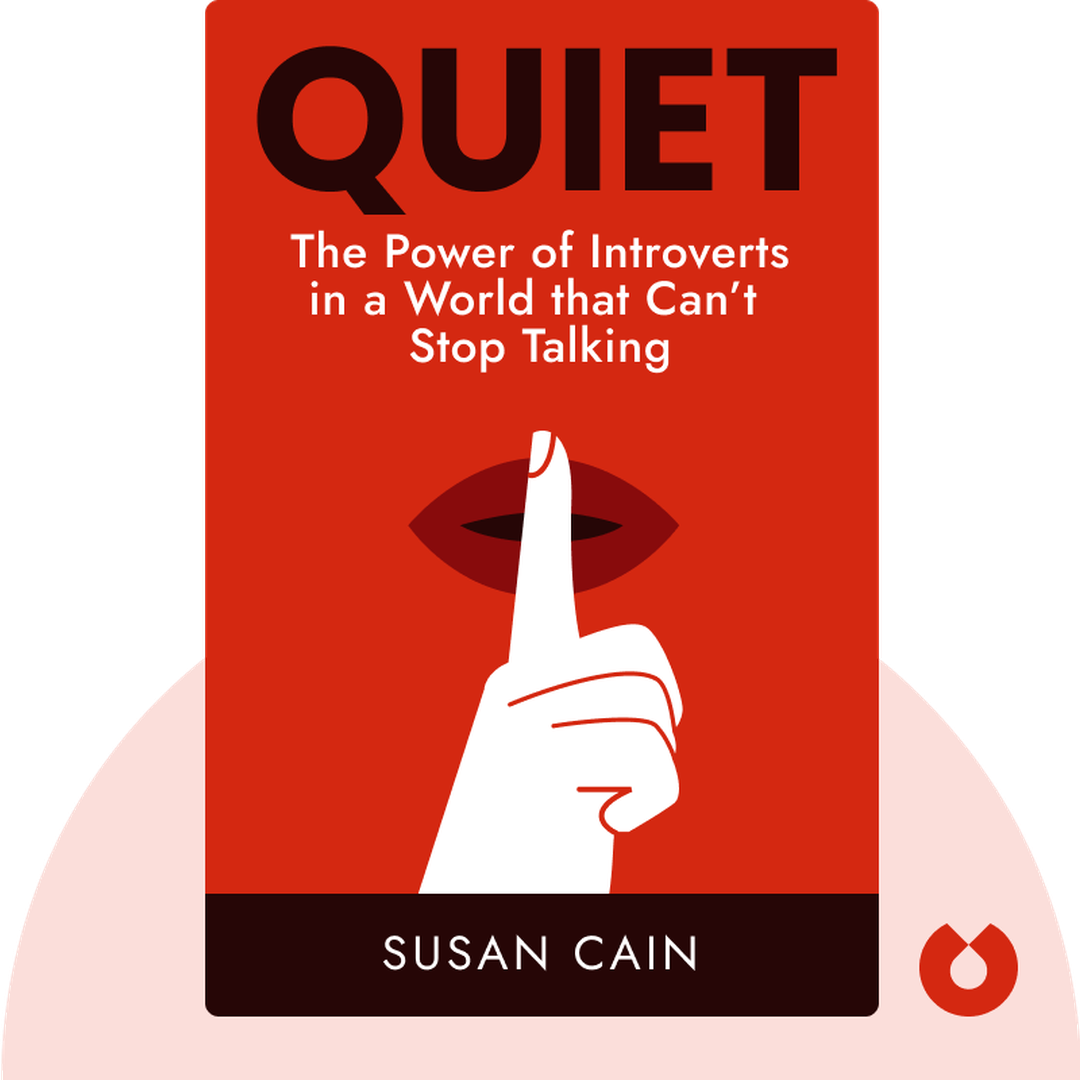
Listen to Quiet — Cinematic Audio Edition
Loading player...
Key Takeaways from Quiet
- Discover why introversion is fundamentally different from shyness, understanding that being introverted is a preference for quiet, deep thinking rather than a fear of social disapproval.
- Learn how the brains of introverts and extroverts process the world differently, particularly how they require drastically different levels of stimulation to feel comfortable and perform at their best.
- Understand the 'Extrovert Ideal' that dominates modern society and realize why there is actually zero correlation between being the loudest talker and having the most brilliant ideas.
- Find out how to optimize work environments for introverts by allowing them to work deliberately, focus deeply, and take necessary solitude breaks to recharge during group collaborations.
- Explore how understanding your true personality traits can empower you to make better career choices and discover actionable ways parents can raise highly effective introverted children.
Learning Tools
Reinforce what you learned from Quiet
Mind Map
Quiet
Core Differences+
Childhood Development+
The Extrovert Ideal+
Adaptation & Workplace+
Leadership & Synergy+
Quiz — Test Your Understanding
Question 1 of 8
According to the text, what is the primary difference between introversion and shyness?
Question 2 of 8
In the experiment observing infants' reactions to stimuli like popping balloons and alcohol swabs, what did the researchers discover about future introverts?
Question 3 of 8
How does the book use the metaphor of 'orchids' and 'dandelions' to describe children?
Question 4 of 8
What historical shift in early twentieth-century America contributed to the rise of the 'extrovert ideal'?
Question 5 of 8
Under what circumstances can an introvert successfully 'flip the switch' and act like an extrovert?
Question 6 of 8
What does the text suggest is a major flaw in the modern corporate trend of open-plan offices and constant group brainstorming?
Question 7 of 8
According to the study on team leaders folding T-shirts, in which scenario does an introverted leader typically outperform an extroverted leader?
Question 8 of 8
How do extroverts and introverts typically misunderstand each other during a conflict?
Quiet — Full Chapter Overview
- 1Recommendation
- 2Many introverts are very sensitive, often reacting intensely to their surroundings.
- 3The distinction is neural: introverts’ brains react more strongly to external sensory stimuli.
- 4Introverted children resemble orchids: they truly thrive only in the right environment.
- 5Across the Western world, the successful extrovert remains the prevailing ideal.
- 6The extroversion ideal is a product of the last 150 years.
- 7Flip the switch: introverts can sometimes act like extroverts.
- 8Companies shouldn’t design workplaces tailored solely to just extroverts.
- 9A truly adept leader can unify the talents of introverts.
- 10Both temperaments can boost their performance through collaboration.
Quiet Summary & Overview
Quiet (2012) focuses on the strengths and needs of both introverts and extroverts. These blinks describe the situations in which both personality types feel comfortable and the ways in which each can use the potential of their personality to the fullest.
Who Should Listen to Quiet?
- People who want to better understand the introvert personality
- Team builders hoping to help introverts and extroverts collaborate
- Anyone interested in the benefits of being introverted
Books Similar to Quiet
Readers who enjoyed this also liked these titles.