If You're Curious About These Questions...
You should listen to this audiobook
- Did you know that the idea of the “born leader” is actually a myth, and that anyone can master the art of leadership with the right approach?
- What’s the secret behind the five fundamental strategies that can transform an average manager into an extraordinary leader?
- Have you ever wondered why some leaders consistently inspire high-performing teams while others struggle, regardless of their years of experience?
Listen to Learning Leadership — Free Audiobook
Loading player...
Key Takeaways from Learning Leadership
- Discover why the "born leader" is a myth and how starting your day with four specific self-reflection questions can unlock your inherent leadership potential.
- Learn how to effectively prepare for the future by analyzing current trends and visualizing the tools and skills your team will need in ten years.
- Understand why true leadership requires shifting your focus away from personal ego and dedicating yourself entirely to maximizing your team's effectiveness.
- Master the ability to handle failure by adopting a baseball player's mindset, treating inevitable setbacks as necessary opportunities to grow and improve.
- Find out why no successful leader acts entirely alone and how actively seeking support, mentorship, and constructive feedback is critical to achieving your goals.
Learning Tools
Reinforce what you learned from Learning Leadership
Mind Map
Learning Leadership
Core Premise+
Fundamental 1: Believe & Learn+
Fundamental 2: Future Focus+
Fundamental 3: Challenges & Mistakes+
Fundamental 4: Help & Feedback+
Fundamental 5: Daily Practice+
Quiz — Test Your Understanding
Question 1 of 8
What is the foundational truth about leadership according to the authors?
Question 2 of 8
What is the purpose of the morning self-coaching exercise recommended in the text?
Question 3 of 8
How should an exemplary leader approach preparing for the future?
Question 4 of 8
What did Alan Daddow realize was his primary job as a leader?
Question 5 of 8
Why do the authors use a baseball analogy to describe leadership?
Question 6 of 8
What is the recommended way to handle critical feedback from a trusted colleague?
Question 7 of 8
What daily habit does CEO Harry Kraemer use to ensure continued leadership growth?
Question 8 of 8
According to the final actionable advice, why should you find a 'learning buddy'?
Learning Leadership — Full Chapter Overview
- 1Recommendation
- 2Fundamental #1: Believe in yourself and keep learning.
- 3Fundamental #2: Stay focused on the future and help your team succeed.
- 4Fundamental #3: Embrace challenges and learn from your mistakes.
- 5Fundamental #4: Stay open to support and feedback from others.
- 6Fundamental #5: Build a daily practice to support ongoing learning.
- 7Final summary
Learning Leadership Summary & Overview
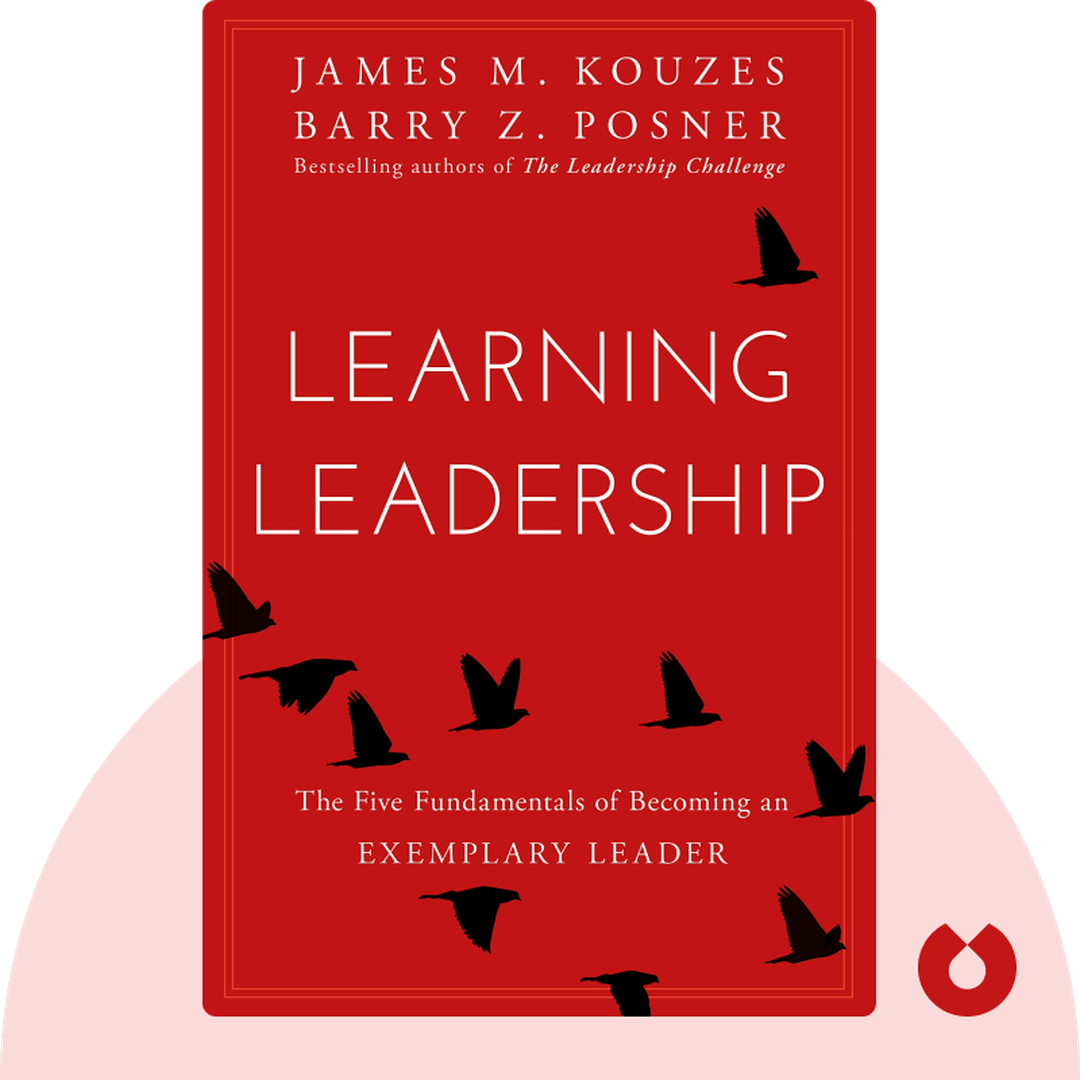
Learning Leadership (2016) proves that leaders don’t have to be born with a talent for great leadership. Like any other skill, leadership is something that can be learned and improved upon. And with the help of just five fundamental strategies, you too can learn what it takes to be an effective leader. These are great tips for those who are just stepping into a leadership position or for seasoned pros looking for a fresh perspective.
Who Should Listen to Learning Leadership?
- Executives, managers and CEOs who want to perfect their abilities
- Anyone looking to step into a leadership role
- Supervisors who want to improve their team’s performance
Books Similar to Learning Leadership
Readers who enjoyed this also liked these titles.