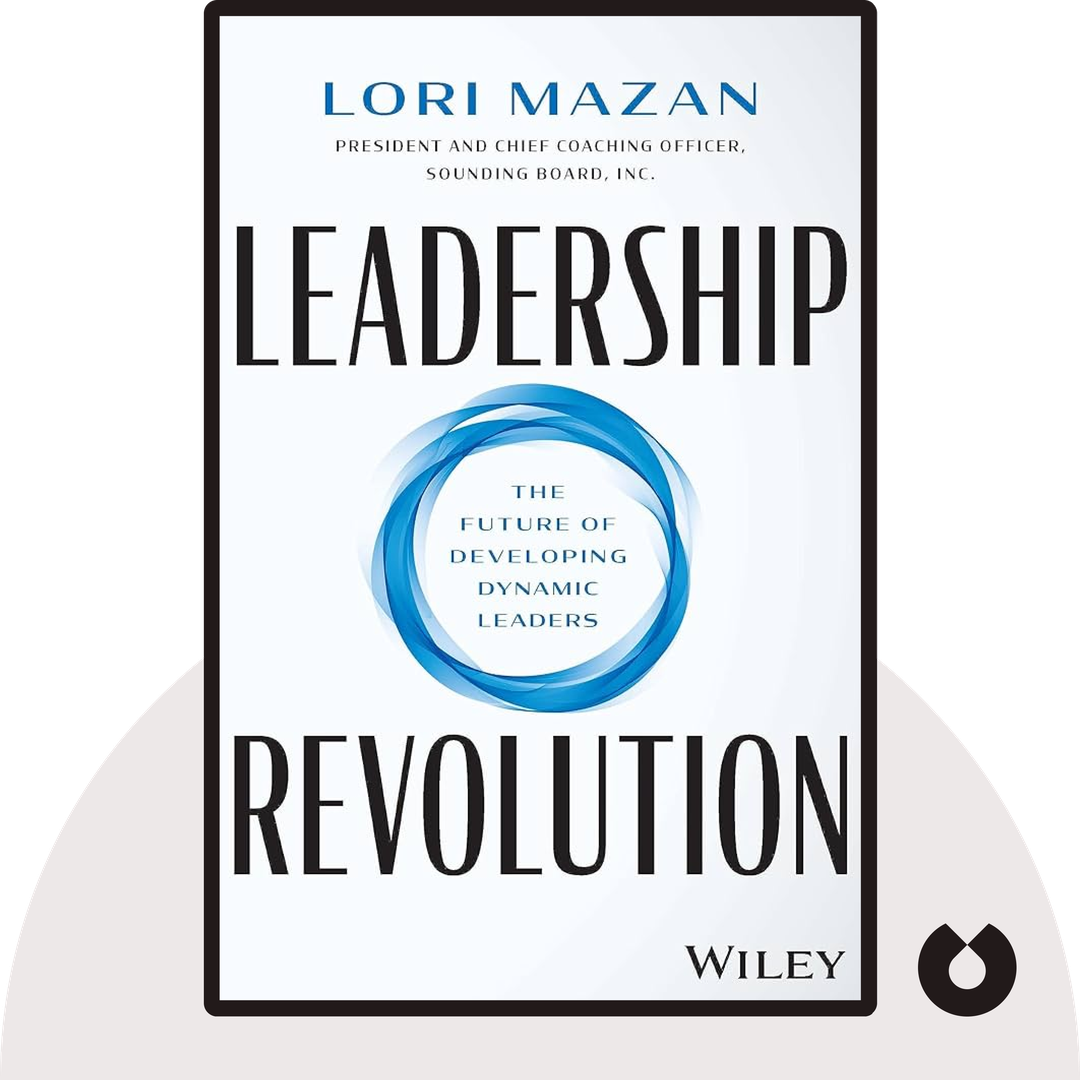
If You're Curious About These Questions...
You should listen to this audiobook
- Have you ever wondered why traditional leadership training often falls short in today’s rapidly changing business landscape?
- What if you could leverage the same strategies used by top-tier executive coaches to transform your leadership style from the inside out?
- Are you curious about the specific mindset shift that allows some leaders to thrive under pressure while others struggle to keep up?
Listen to Leadership Revolution — Free Audiobook
Loading player...
Key Takeaways from Leadership Revolution
- Discover why there is no one-size-fits-all approach to leadership and how embracing your authentic personality outshines faking an extroverted persona.
- Learn how to replace the Golden Rule with the 'Platinum Rule' to motivate your team by treating people exactly how they wish to be treated.
- Understand the importance of finding a 'thinking partner' to help you abandon outdated, fear-based mindsets and align your leadership style with your core values.
- Find out why giving your employees adult autonomy is far more productive than relying on constant supervision and superficial workplace perks.
- Master the leap from abstract idea to concrete action by utilizing small, manageable rituals like morning pages to build momentum and overcome resistance.
Learning Tools
Reinforce what you learned from Leadership Revolution
Mind Map
Leadership Revolution
Authentic Leadership+
The Thinking Partner+
Dimensions of Development+
Transforming Culture+
Leader Success Model+
Quiz — Test Your Understanding
Question 1 of 7
What does Lori Mazan argue is a primary flaw of many traditional leadership advice books?
Question 2 of 7
According to the text, why should leaders embrace the 'platinum rule' over the 'golden rule'?
Question 3 of 7
When a person is newly promoted to a leadership position, what common habit does the author suggest needs an immediate overhaul?
Question 4 of 7
How does the author define the role of a leadership coach as a 'thinking partner'?
Question 5 of 7
What is the primary difference between horizontal and vertical development in leadership?
Question 6 of 7
In the author's 'Leader Success Model,' what does the capacity of 'velocity' refer to?
Question 7 of 7
Which concept does the author compare to the 'internal compass' of a leader?
Leadership Revolution — Full Chapter Overview
- 1Recommendation
- 2Taking the Initial Steps
- 3Finding Inspiration and a Thought Partner
- 4Taking the Leap and Moving Upward
- 5Sustainable Change and Ongoing Development
- 6Final summary
Leadership Revolution Summary & Overview
Leadership Revolution (2023) explores the dynamics of executive coaching, and provides an overview of the challenges and opportunities in contemporary leadership development. It explains how today’s leaders must adapt to changing environments and cultivate a mindset of continuous growth and improvement.
Who Should Listen to Leadership Revolution?
- Managers, executives, and anyone in a leadership role
- People interested in the field of leadership coaching
- Professionals in human resources
Books Similar to Leadership Revolution
Readers who enjoyed this also liked these titles.