If You're Curious About These Questions...
You should listen to this audiobook
- Have you ever wondered why even a "dream job" can leave you feeling unfulfilled, and how you can predict your long-term happiness before you even apply?
- What if you could "test drive" your next career move using a systematic framework to ensure it aligns with your true motivations?
- What’s the secret to making a job move that actually sticks, instead of just jumping from one burnout to the next?
Listen to Job Moves — Free Audiobook
Loading player...
Key Takeaways from Job Moves
- Learn how to shift your mindset from simply seeking a job to 'hiring' a company, empowering you to dictate how your time is spent and valued.
- Discover how analyzing the hidden patterns of your past career moves will help you identify the true push and pull factors driving your professional choices.
- Map your daily energy drivers to clearly identify which workplace tasks excite or drain you, revealing unexpected roles that perfectly fit your working style.
- Create a 'career balance sheet' to evaluate your current skills as appreciating or depreciating assets, pinpointing exactly where to invest your professional development.
- Master the four distinct paths of career progress—escaping, regaining control, realigning, or advancing—and learn to prototype your ideal future before ever checking a job board.
Learning Tools
Reinforce what you learned from Job Moves
Mind Map
Job Moves
Rethinking Career Advice+
Step 1: Analyze Past Moves+
Steps 2 & 3: Map Energy and Skills+
Steps 4 & 5: Define Quest and Prototype+
Steps 6 & 7: Filter and Reality Check+
Steps 8 & 9: Craft Story and Execute+
Quiz — Test Your Understanding
Question 1 of 7
According to the text, what fundamental mindset shift should job seekers adopt when making career moves?
Question 2 of 7
Research into thousands of job switchers reveals four main types of progress people seek. Which of the following is NOT one of these four types mentioned in the text?
Question 3 of 7
What is the purpose of creating a 'career balance sheet' as described in the book?
Question 4 of 7
If a person wants to keep the parts of their job that motivate them, but needs their skills to be valued differently, which of the four career paths are they aiming for?
Question 5 of 7
How did Clara’s interest in the National Geographic expedition coordinator role demonstrate the value of 'prototyping' possible futures?
Question 6 of 7
What is the function of a 'personal cheat sheet' during the final stages of a job search?
Question 7 of 7
How does the text suggest job seekers should view job descriptions when trying to land their next role?
Job Moves — Full Chapter Overview
- 1Recommendation
- 2Better choices lead to better careers
- 3Map your energy to build career success
- 4Where dreams meet the real world
- 5Dream big, but double-check
- 6Smart moves need strong stories
- 7Final summary
Job Moves Summary & Overview
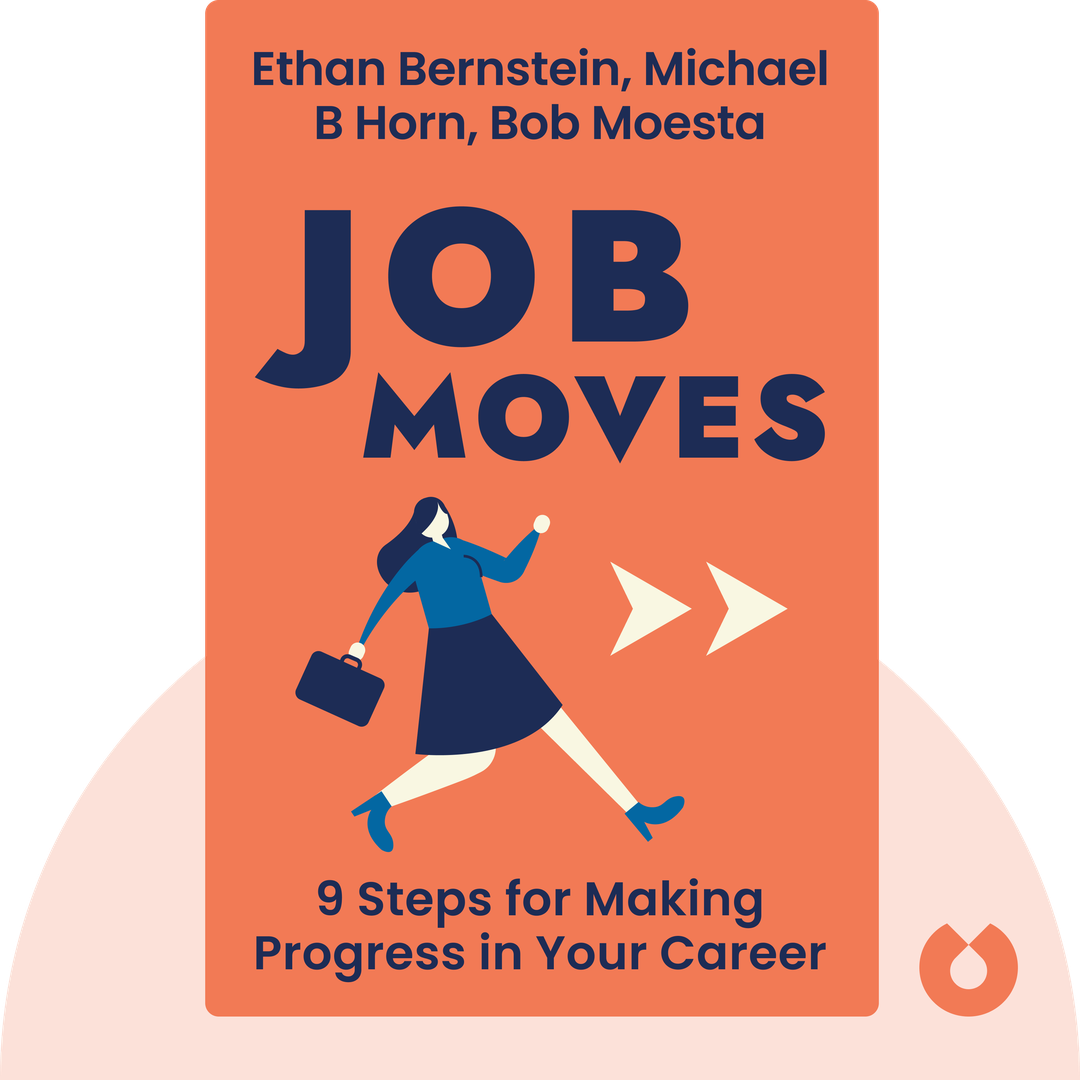
Job Moves (2024) redefines how you approach job changes by putting you in control of your career path. Using a proven nine-step framework, it helps you uncover what truly drives your decisions, test opportunities before committing, and craft a career that aligns with your goals. It’s your guide to making career moves that lead to lasting fulfillment.
Who Should Listen to Job Moves?
- Career changers seeking actionable steps for smarter job decisions
- Professionals aiming to align work with personal growth and priorities
- Managers interested in understanding employee motivations and career progress patterns
Books Similar to Job Moves
Readers who enjoyed this also liked these titles.