If You're Curious About These Questions...
You should listen to this audiobook
- What's the secret to living a long and happy life, like the Japanese who live well past 100 years of age?
- Are you curious about the ancient wisdom that can help you find your purpose and live a more fulfilling life?
- What if you could unlock the secrets of Japan's 'Blue Zones' and apply them to your own life to boost your health and happiness?
Listen to Ikigai — Cinematic Audio Edition
Loading player...
Key Takeaways from Ikigai
- Discover how finding your ikigai—the intersection of your passions, skills, profession, and what the world needs—can unlock a long, purposeful, and happy life.
- Learn why you should never truly retire from the work or hobbies you love, as staying continuously active is a proven Okinawan secret to longevity.
- Understand why exercising your brain through new activities and social interactions is just as critical as physical health for preventing premature aging.
- Find out how to overcome severe stress and burnout using Morita therapy, a unique Japanese method that teaches you to accept your emotions rather than fight them.
- Master the ability to enter a state of 'flow' by deeply immersing yourself in engaging tasks, prioritizing focused enjoyment over fleeting hedonistic pleasures.
Learning Tools
Reinforce what you learned from Ikigai
Mind Map
Ikigai
Core Philosophy+
Mental Health & Stress+
State of Flow+
Okinawan Diet+
Physical Movement+
Centenarian Lifestyle+
Quiz — Test Your Understanding
Question 1 of 10
How is the concept of 'ikigai' primarily described in the text?
Question 2 of 10
According to the philosophy of ikigai, how should one approach retirement?
Question 3 of 10
How does Morita therapy differ from many Western psychological therapies?
Question 4 of 10
What does the first phase of Morita therapy entail?
Question 5 of 10
What is essential for achieving a state of 'flow' in an activity?
Question 6 of 10
What does the Japanese dietary concept of 'hara hachi bu' advise?
Question 7 of 10
According to modern science mentioned in the text, how does calorie reduction contribute to a longer life?
Question 8 of 10
Which of the following is an antioxidant-loaded citrus fruit highly popular in Okinawa?
Question 9 of 10
What is 'Radio Taiso'?
Question 10 of 10
How does the Japanese concept of 'wabi-sabi' help improve one's quality of life?
Ikigai — Full Chapter Overview
- 1Recommendation
- 2A strong sense of purpose is the secret to longevity.
- 3An active mind and low stress are essential for a long life.
- 4Morita therapy, an intensive Japanese approach, helps people manage stress.
- 5Fully immersing yourself in an activity can help keep you young.
- 6Simple advice from long-lived elders can help you live longer.
- 7The Okinawan diet’s power comes from variety and small portions.
- 8Foods rich in antioxidants are vital for rejuvenation and long life.
- 9Movement, even in simple forms, is fundamental to longevity.
- 10Final summary
Ikigai Summary & Overview
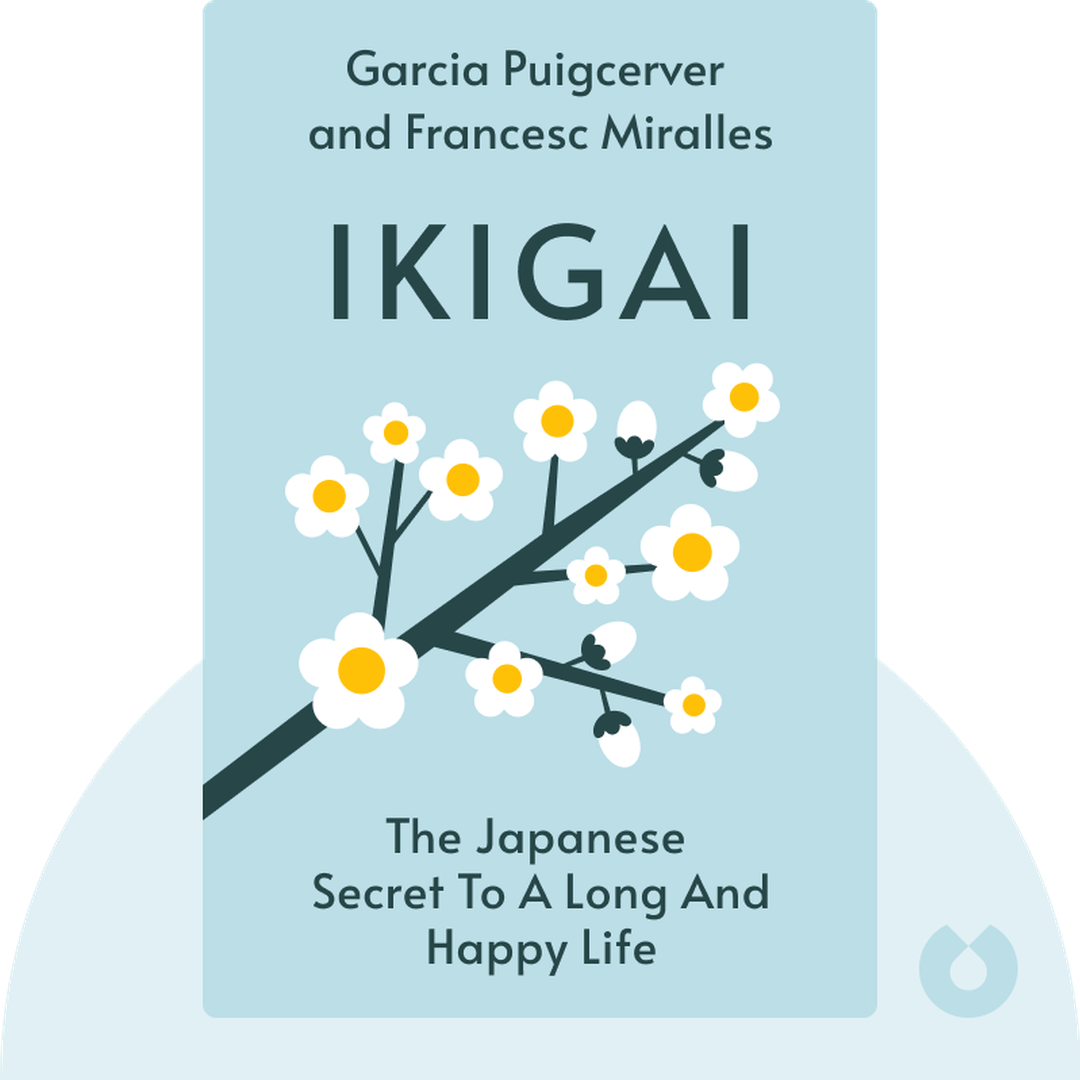
Ikigai (2016) is your guide to living a long, happy life through the wisdom of Japanese culture. These blinks delve into every area of Japanese life to uncover their secrets of longevity and to explain why so many Japanese, especially those on one island in particular, live well past 100 years of age.
Who Should Listen to Ikigai?
- Japanese cultural enthusiasts
- Those wishing to live to a hundred
- Seekers of happiness
Books Similar to Ikigai
Readers who enjoyed this also liked these titles.