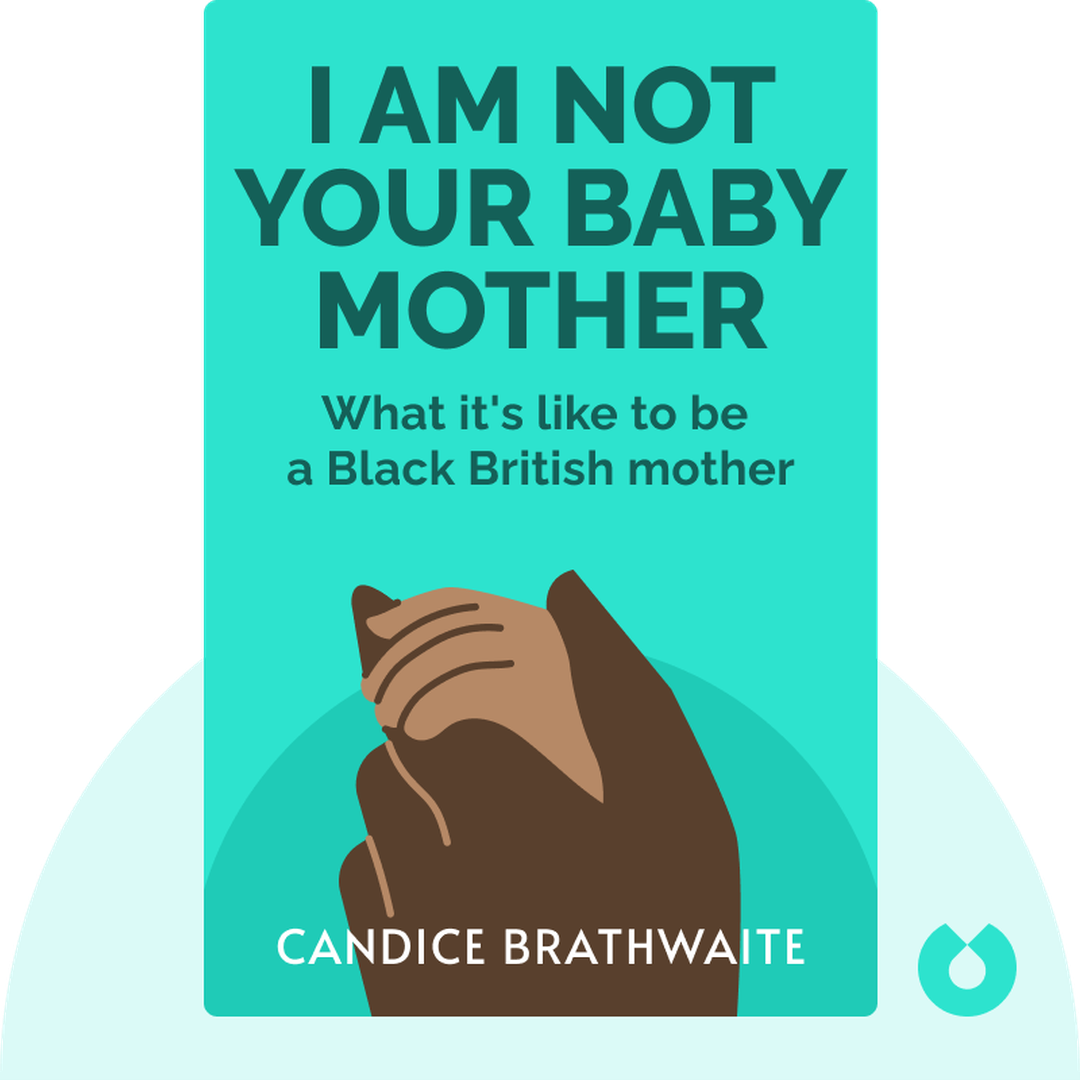
I Am Not Your Baby Mother
Start ListeningDownload Try free on iPhoneScan to start in 5 seconds
Categories:
If You're Curious About These Questions...
You should listen to this audiobook
- Did you know that for many Black mothers in Britain, the journey through pregnancy and postnatal care isn’t just a medical experience, but a fight against deep-seated systemic inequalities?
- Have you ever wondered why the label 'baby mother' carries such a heavy weight, and how one woman’s quest for representation changed the landscape for Black parents online?
- Are you curious about what it really takes to navigate the joys of parenthood while simultaneously confronting the heartbreaking reality that you cannot protect your children from racism?
Listen to I Am Not Your Baby Mother — Free Audiobook
Loading player...
Key Takeaways from I Am Not Your Baby Mother
- Discover why the pervasive 'baby mother' stereotype is deeply harmful and how mainstream media completely fails to accurately represent the realities of Black motherhood.
- Learn how childhood burdens and negative societal expectations can create profound ambivalence about having children for young Black women.
- Understand how racist microaggressions and medical negligence threaten the physical and emotional well-being of Black mothers during pregnancy and childbirth.
- Uncover the truth about Black fatherhood by challenging the one-sided media narratives that demonize Black men while ignoring the impacts of institutionalized racism.
- Recognize how the generational wealth gap and systemic disadvantages prevent young Black families from providing the same financial head-starts afforded to their white counterparts.
Learning Tools
Reinforce what you learned from I Am Not Your Baby Mother
Mind Map
I Am Not Your Baby Mother
The 'Baby Mother' Stereotype+
Financial Disadvantage & Survival+
Navigating Systemic Racism+
Medical Racism in Childbirth+
Mental Health & Postnatal Depression+
Creating Diverse Representation+
Quiz — Test Your Understanding
Question 1 of 8
What does the stereotype of the 'baby mother' specifically refer to in the context of the book?
Question 2 of 8
Why did Candice become fixated on buying an expensive Bugaboo stroller despite her family being broke?
Question 3 of 8
How did Candice's personal experiences with male figures contrast with the media's representation of Black fatherhood?
Question 4 of 8
What primary factor influenced Candice's decision when choosing a name for her unborn child?
Question 5 of 8
What systemic issue was highlighted by Candice's near-death experience after giving birth?
Question 6 of 8
Why did Candice and Bode decide to move their family out of London?
Question 7 of 8
What new challenge did Candice's family face after moving to a village in Milton Keynes?
Question 8 of 8
When Candice started her blog, what cultural expectation within her community was she trying to dismantle?
I Am Not Your Baby Mother — Full Chapter Overview
- 1Recommendation
- 2Shaped by her childhood, Candice Brathwaite felt deeply conflicted about becoming a mother.
- 3Media portrayals of Black fatherhood are damaging, inaccurate, and reinforce stereotypes.
- 4Candice and Bode were broke, but they wanted to give their baby a better future.
- 5A Black child’s name can shape how they move through the world and the opportunities they receive.
- 6Candice nearly died after giving birth to her daughter because, as a Black woman, her concerns weren’t taken seriously.
- 7Like many mothers, Candice experienced postnatal depression after her daughter was born.
- 8Candice couldn’t raise her children safely in London, but moving brought new challenges.
- 9A lack of representation motivated Candice to share more diverse stories about motherhood.
- 10Final summary
I Am Not Your Baby Mother Summary & Overview
I Am Not Your Baby Mother (2020) is part memoir and part manifesto about life as a Black British mother. Drawing on Candice Brathwaite’s own journey to parenthood, it describes how she survived everything from postnatal depression to the realization that she could never protect her children from racism. These events motivated her to create space for representations of diverse experiences of motherhood online.
Who Should Listen to I Am Not Your Baby Mother?
- Black mothers looking for narratives of parenthood that more closely reflect their own
- Activists wanting to learn more about inequality in Britain
- White parents who want to confront their own privilege and learn about institutionalized racism
Books Similar to I Am Not Your Baby Mother
Readers who enjoyed this also liked these titles.