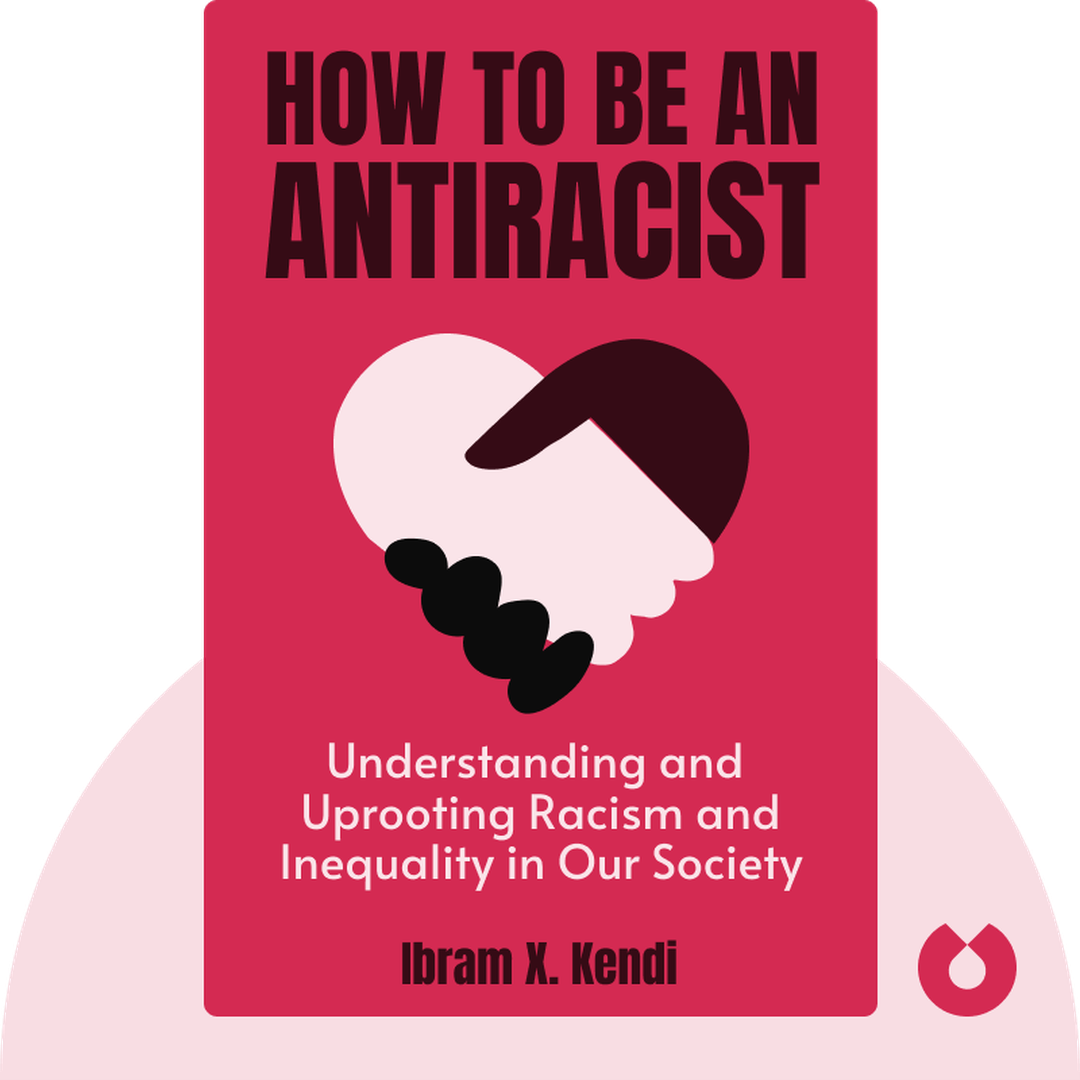
How to Be an Antiracist
Start ListeningDownload Try free on iPhoneScan to start in 5 seconds
Categories:
If You're Curious About These Questions...
You should listen to this audiobook
- Why does the author argue that self-interested racist policies were actually created before the racist ideas used to justify them?
- What is the dangerous difference between an assimilationist and an antiracist, and why do assimilationist views actually perpetuate racial hierarchy?
- How does the book challenge the common belief that marginalized groups lack the power to be racist, and why is recognizing internalized racism crucial to fighting inequality?
Listen to How to Be an Antiracist — Cinematic Audio Edition
Loading player...
Key Takeaways from How to Be an Antiracist
- Being an antiracist requires actively supporting policies that promote racial equity, rather than just passively claiming to be nonracist.
- Historically, self-interested racist policies were implemented first, and racist ideas were subsequently invented to justify the resulting inequalities.
- Both segregationist and assimilationist mindsets are inherently racist; true antiracism recognizes that no racial group is culturally or behaviorally inferior.
- Race is a genetic illusion with no biological basis, meaning any belief in meaningful biological differences between races is a form of biological racism.
- Racism and colorism can be perpetuated by anyone, meaning people of color are also capable of holding anti-white, internalized anti-Black, or colorist prejudices that must be unlearned.
Learning Tools
Reinforce what you learned from How to Be an Antiracist
Mind Map
How to Be an Antiracist
Core Definitions+
Cultural Racism+
Biological Racism+
Colorism+
Multidirectional Racism+
The Cancer Metaphor+
Quiz — Test Your Understanding
Question 1 of 7
According to the book, what is the typical relationship between racist policies and racist ideas?
Question 2 of 7
How does an 'assimilationist' view differ from a 'segregationist' view regarding people of color?
Question 3 of 7
How does Kendi view positive discrimination initiatives, such as affirmative action?
Question 4 of 7
What does the text state about the genetic basis of race?
Question 5 of 7
Which of the following best describes the concept of 'colorism' as explained in the text?
Question 6 of 7
Why does Kendi argue against the idea that Black people cannot be racist because they lack societal power?
Question 7 of 7
What is the primary difference Kendi notes between cancer and racism in his metaphor comparing the two?
How to Be an Antiracist — Full Chapter Overview
- 1Recommendation
- 2Antiracists understand that racial inequality is driven by racist policies.
- 3Racists claim racial inequality comes from an inferior Black culture.
- 4Believing in meaningful biological differences between races is racist.
- 5Racist ideas about color keep alive the myth that lighter is better.
- 6Racist ideas about white people are racist too.
- 7Black people can be just as capable of anti-Black racism as white people.
- 8Racism has spread through society like cancer, but we can defeat it.
- 9Final summary
How to Be an Antiracist Summary & Overview
How to be an Antiracist (2019) explores the causes of and solutions to the racism that plagues our societies. Drawing on his own experiences as well as political and historical insights, the author shines a light on what he argues is a truly antiracist perspective and explains how you can effect change in an unjust world.
Who Should Listen to How to Be an Antiracist?
- Anyone who cares about social justice
- Those who want to change the world
- Political individuals looking for fresh insights
Books Similar to How to Be an Antiracist
Readers who enjoyed this also liked these titles.