If You're Curious About These Questions...
You should listen to this audiobook
- Have you ever wondered why the architecture of a room can actually dictate the way a song is written?
- Did you know that the way we experience music has been shaped more by technological shifts than by pure artistic choice?
- What's the secret behind why music is so deeply fundamental to the human experience and our social evolution?
Listen to How Music Works — Free Audiobook
Loading player...
Key Takeaways from How Music Works
- Discover why the music we create is shaped by our physical surroundings and available technology, rather than just our inner emotions or skills.
- Understand how the invention of recording technology transformed musical performance, forcing musicians to adopt precise internal tempos and use vibrato to mask imperfections.
- Realize how the ubiquity of recorded audio shifted our perception, turning studio recordings into the definitive version of a song and live performances into mere interpretations.
- Learn how digital tools like MIDI and quantization dictate modern composition, creating perfectly timed rhythms that can sometimes strip music of its natural feel.
- Explore how different studio recording techniques, such as isolating musicians in separate booths versus recording together, drastically alter the organic interplay and final sound of a track.
Learning Tools
Reinforce what you learned from How Music Works
Mind Map
How Music Works
Context & Environment+
Recording & Digital Tech+
Collaboration+
The Music Business+
Venues & Scenes+
Social Power+
Innate Humanity+
Quiz — Test Your Understanding
Question 1 of 9
What does David Byrne argue is the primary driver behind the kind of music we create?
Question 2 of 9
How did the invention of the microphone change singing styles?
Question 3 of 9
Why did the use of vibrato become much more commonplace after the advent of recording technology?
Question 4 of 9
What is a common consequence of 'quantizing' pop recordings using digital technology?
Question 5 of 9
What was a major drawback of the 'divide-and-isolate' recording approach popular in the late 1970s?
Question 6 of 9
Because traditional record sales have declined drastically, how do most records function in the modern music industry?
Question 7 of 9
According to the book, what specific physical feature of the CBGB venue contributed to its success in building a vibrant music scene?
Question 8 of 9
How do programs like Carlinhos Brown's centers in Brazil and El Sistema in Venezuela demonstrate the broader power of music?
Question 9 of 9
Which of the following is cited as evidence that humans have evolved specialized skills for music?
How Music Works — Full Chapter Overview
- 1Recommendation
- 2Our surroundings, not only our emotions and skills, shape the music we create.
- 3Recording technology has transformed how we make and experience music.
- 4Digital technology has changed both the composition and sound quality of music.
- 5Recording a band separately or together strongly shapes the final sound.
- 6Collaboration is central to music and can boost creativity.
- 7Falling record sales have made the music industry more flexible.
- 8Venues matter; the right one can spark a vibrant music scene.
- 9Encouraging amateurs to make music can bring broad social and cultural benefits.
- 10Music is more than entertainment; it is part of being human and affects our well-being.
- 11Final Summary
How Music Works Summary & Overview
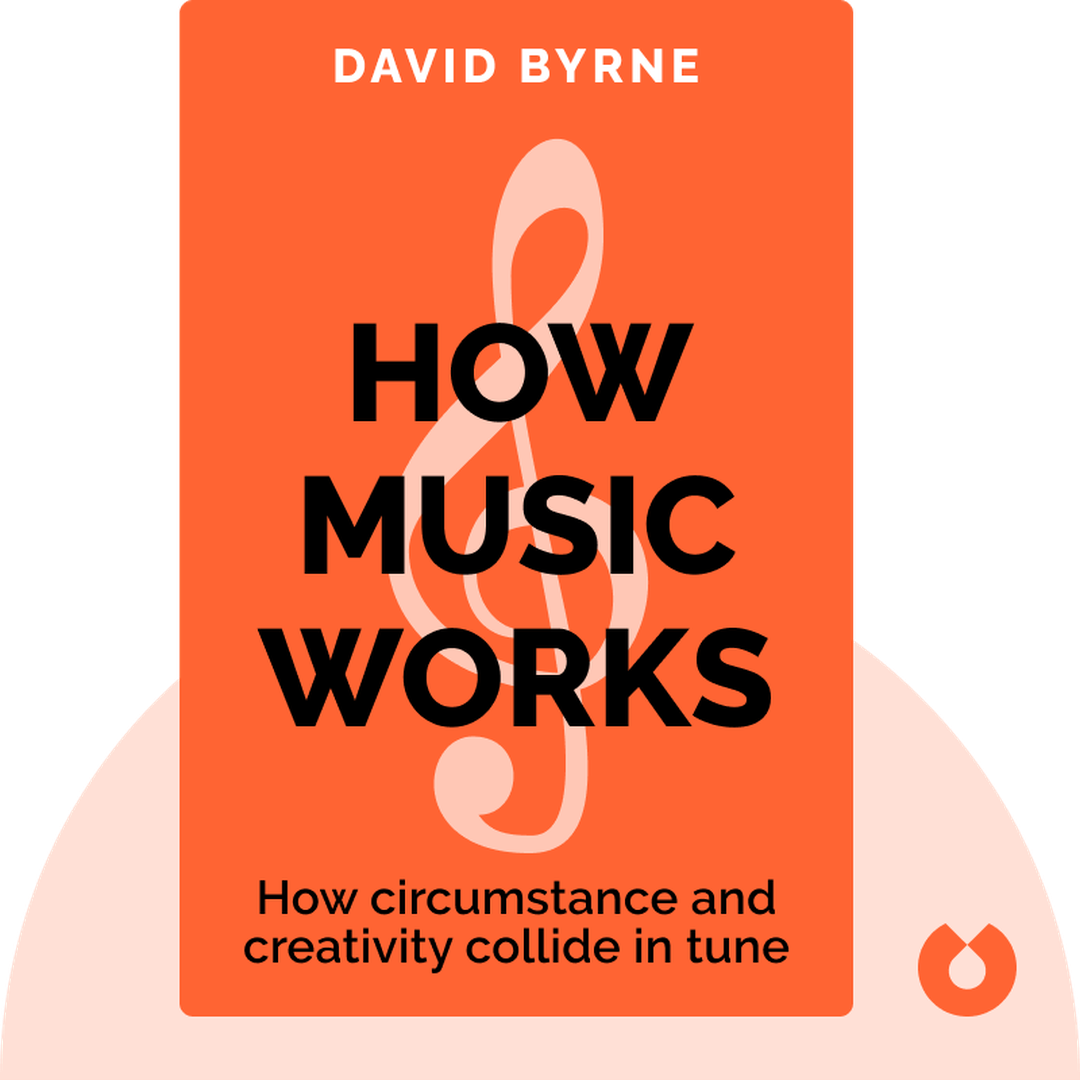
How Music Works sets out to explain the workings of music from ancient history up to now. Writing from an insider’s perspective, David Byrne delves into different aspects of popular music, based on current research, music history, technical knowledge and his life-long career in the new wave band Talking Heads.
Who Should Listen to How Music Works?
- Anyone who wants to understand the inner workings of the music business
- Anyone interested in music’s relationship to its surroundings
- Anyone who wants to find out why music is so important to humans
Books Similar to How Music Works
Readers who enjoyed this also liked these titles.