If You're Curious About These Questions...
You should listen to this audiobook
- Did you know that amidst the total devastation of the first atomic bomb, six individuals survived to tell a story that would change the world’s perception of war forever?
- Have you ever wondered what it was truly like to be on the ground in Hiroshima in the minutes following the blast, long before the rest of the world knew what had happened?
- Are you curious about the secret to human resilience and how these six survivors managed to rebuild their lives from the literal ashes of an unprecedented catastrophe?
Listen to Hiroshima — Cinematic Audio Edition
Loading player...
Key Takeaways from Hiroshima
- Understand the catastrophic and long-lasting impacts of nuclear warfare, from the instant annihilation of thousands to the lifelong battles survivors faced with radiation poisoning.
- Witness the terrifying suddenness of the atomic bomb through the eyes of six ordinary citizens whose mundane morning routines were instantly transformed into a desperate fight for survival.
- Discover the overwhelming medical crisis that crippled Hiroshima, leaving exhausted physicians like Dr. Sasaki to treat tens of thousands of desperately injured victims with virtually no resources.
- Explore the profound resilience and selflessness of the survivors, exemplified by individuals like Reverend Tanimoto who risked their own safety to ferry the wounded and fight raging fires.
- Grasp the agonizing reality of the explosion's immediate aftermath, where survivors endured severe injuries, collapsed infrastructure, and overwhelming chaos as they waited for help.
Learning Tools
Reinforce what you learned from Hiroshima
Mind Map
Hiroshima
Context & Significance+
The Blast (Aug 6, 1945)+
Immediate Aftermath+
Aftereffects+
Rebuilding & Later Lives+
Quiz — Test Your Understanding
Question 1 of 9
How did John Hersey's book 'Hiroshima' significantly influence the field of journalism?
Question 2 of 9
According to the text, what was the primary reason the six featured individuals survived the initial atomic blast?
Question 3 of 9
What chilling phenomenon did Mr. Tanimoto observe regarding the burn marks on some of the fleeing survivors?
Question 4 of 9
What unexpected action did Mr. Fukai, the mission secretary, take after Father Kleinsorge carried him away from the destruction?
Question 5 of 9
In the immediate aftermath of the bombing, how did many people in Hiroshima attempt to explain the massive explosion?
Question 6 of 9
What eerie surprise awaited Miss Sasaki when she was finally able to look out at the ruined city weeks after the bombing?
Question 7 of 9
Which of the following describes the symptoms of radiation sickness experienced by the survivors weeks after the bombing?
Question 8 of 9
How did Mrs. Nakamura's attitude toward her post-war life contrast with that of Mr. Tanimoto?
Question 9 of 9
What astonishing and insensitive television encounter did Mr. Tanimoto experience in 1955?
Hiroshima — Full Chapter Overview
- 1Recommendation
- 2The Explosion
- 3Mr. Tanimoto’s Story
- 4Staying Alive
- 5In Asano Park
- 6Assessing the Damage
- 7The Aftereffects
- 8Rebuilding Lives
- 9Final summary
Hiroshima Summary & Overview
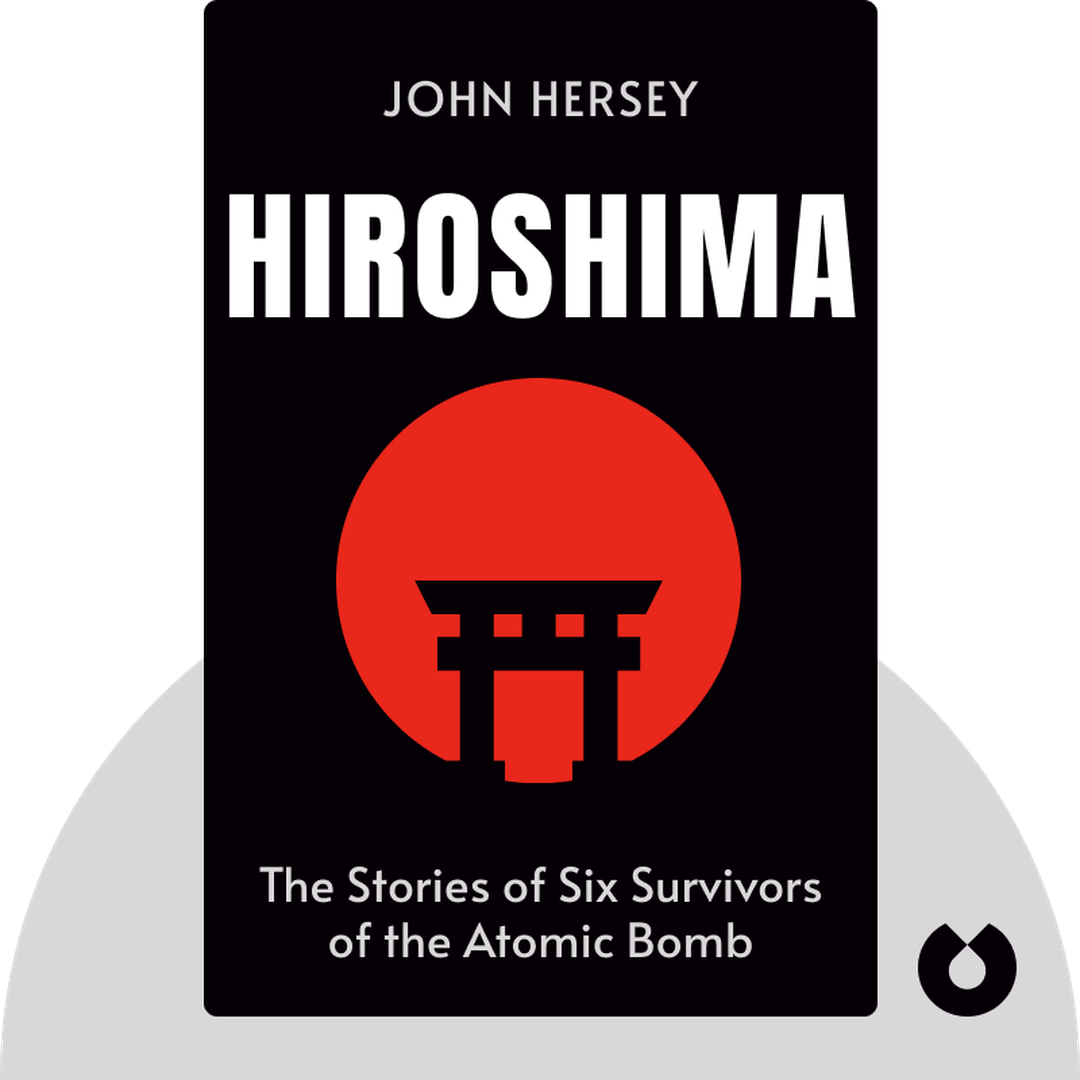
Hiroshima (1946 and 1985) is journalist John Hersey’s classic account of six survivors of the 1945 atom bomb attack on Japan. Amid the wreckage, these six lived to offer their accounts of the devastating experience.
Who Should Listen to Hiroshima?
- History devotees
- Character-driven non-fiction (or fiction) enthusiasts
- Budding journalists
Books Similar to Hiroshima
Readers who enjoyed this also liked these titles.