Theme Song
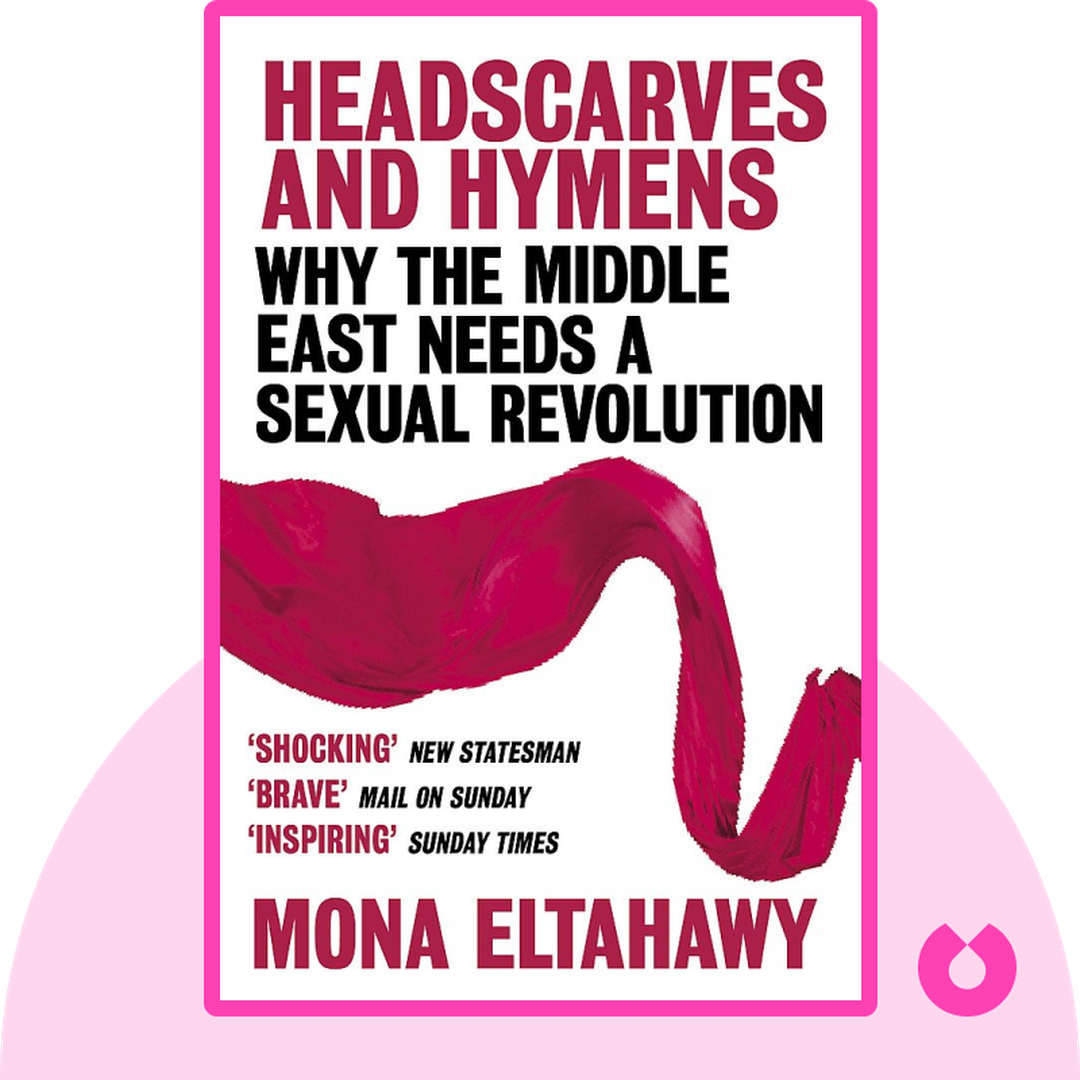
Headscarves and Hymens
Start ListeningDownload Try free on iPhoneScan to start in 5 seconds
Categories:
If You're Curious About These Questions...
You should listen to this audiobook
- How does the veil serve as both a tool of systemic oppression and a personal shield for some Arab women, and what severe consequences await those who choose not to wear it?
- Why do Western liberals often remain silent on the systemic abuse of Arab women, and how does this well-intentioned 'cultural relativism' actually hinder the fight for gender equality in the Middle East?
- Despite the constant threat of violence and deeply ingrained cultural practices like female genital mutilation, how are modern Arab feminists successfully using the internet to spark a much-needed sexual revolution?
Listen to Headscarves and Hymens — Free Audiobook
Loading player...
Key Takeaways from Headscarves and Hymens
- In many Arab nations, family matters are governed by religious courts that frequently fail to protect women from atrocities like child marriage and domestic violence.
- The fight for Arab women's rights is heavily hindered by Western liberals who use cultural relativism to excuse misogyny, and by internal pressures that shame women into silence.
- Because of the severe threat of social stigma, physical punishment, or imprisonment, wearing a veil is rarely a true choice for the vast majority of women in the Middle East.
- The intense cultural obsession with preserving a woman's virginity has led to the widespread practice of female genital mutilation, a non-religious custom designed to control female sexuality.
- Political uprisings in the Arab world will remain incomplete unless they are accompanied by a sexual and social revolution that actively dismantles the misogynistic status quo.
Learning Tools
Reinforce what you learned from Headscarves and Hymens
Mind Map
Headscarves and Hymens
Systemic Misogyny & Oppression+
The Conspiracy of Silence+
Control of Women's Bodies+
Pervasive Violence and Harassment+
Resistance and Revolution+
Quiz — Test Your Understanding
Question 1 of 7
Why do many Western liberals remain largely silent regarding the misogynistic treatment of Arab women, according to the author?
Question 2 of 7
What is a key distinction the author makes regarding the practice of female genital mutilation (FGM) in Arab countries?
Question 3 of 7
What is the primary difference between a hijab and a niqab?
Question 4 of 7
How do authorities and police forces sometimes exacerbate the trauma of female victims in Egypt?
Question 5 of 7
How have nascent Arab feminist movements recently achieved tangible progress against oppressive laws, such as the driving ban in Saudi Arabia?
Question 6 of 7
According to the book, what harsh reality did Arab women face during the liberating revolutionary movements of the Arab Spring?
Question 7 of 7
Why do many domestic abuse cases in Arab countries result in little to no consequence for the male abusers?
Headscarves and Hymens — Full Chapter Overview
- 1Recommendation
- 2Arab women live in hostile, misogynistic societies.
- 3On misogyny, Arab women and Western liberals often stay silent.
- 4Though headscarves are worn for many reasons, Arab women have little real choice.
- 5Virginity is treated as sacred, leading Arab girls to be protected through dangerous, often deadly genital cutting.
- 6Arab women face sexual harassment and physical abuse in public and at home.
- 7Arab feminists are using the internet to connect with other women and spark meaningful change.
- 8Even in liberating revolutionary movements, women have had to fight sexual violence.
- 9Final summary
Headscarves and Hymens Summary & Overview
Headscarves and Hymens (2015) chronicles the many levels of abuse suffered by women in the Arab world and what brave feminist activists are doing about these injustices. These blinks describe the various forms of oppression women face, from child marriage to virginity tests, and call for a sexual revolution in Islamic nations.
Who Should Listen to Headscarves and Hymens?
- Feminists of all colors, genders and religions
- Political or social scientists interested in gender inequality in Arab countries
- Anyone concerned about human rights.
Books Similar to Headscarves and Hymens
Readers who enjoyed this also liked these titles.