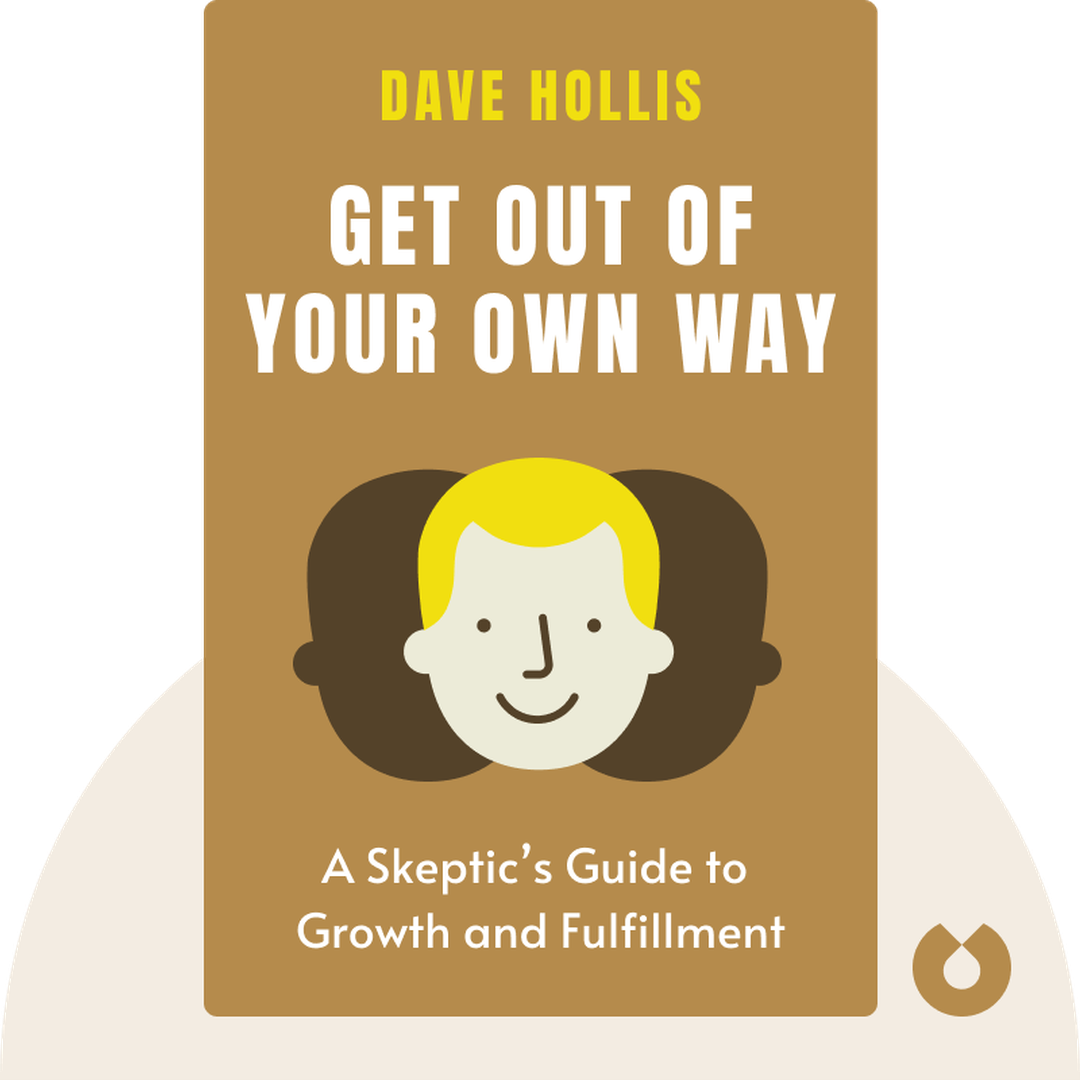
Get Out of Your Own Way
Start ListeningDownload Try free on iPhoneScan to start in 5 seconds
Categories:
If You're Curious About These Questions...
You should listen to this audiobook
- Have you ever wondered why the biggest obstacle to your personal growth isn’t your circumstances, but the secret 'lies' you’ve been telling yourself for years?
- What if you could transform from a self-help skeptic into the most present, fulfilled version of the husband and father your family needs?
- Are you curious about the subtle, self-sabotaging thoughts that are quietly preventing you from reaching your full potential in your career and relationships?
Listen to Get Out of Your Own Way — Free Audiobook
Loading player...
Key Takeaways from Get Out of Your Own Way
- Understand why external success doesn't guarantee mental well-being, and discover how seeking professional help like therapy is a powerful tool for growth rather than a sign of weakness.
- Learn how to adapt your strategies when facing new challenges, and realize that stepping out of your comfort zone is the best way to overcome Imposter Syndrome.
- Discover why you should stop fearing the judgment of others by realizing that most people are too focused on their own lives to obsess over your choices.
- Embrace failure as a necessary stepping stone for personal development, and learn how to extract valuable life lessons from your mistakes to fuel future success.
- Master the ability to build self-esteem from within rather than relying on the validation of others, and free yourself from the limiting belief that past rejections dictate your future.
Learning Tools
Reinforce what you learned from Get Out of Your Own Way
Mind Map
Get Out of Your Own Way
Identity & Self-Worth+
Vulnerability+
Mindset & Failure+
Navigating Pain+
Relationship Dynamics+
Empathy & Privilege+
Limiting Beliefs+
Actionable Advice+
Quiz — Test Your Understanding
Question 1 of 9
Why did Dave Hollis ultimately decide to leave his highly successful role as a sales executive at Disney?
Question 2 of 9
What unconventional source taught Dave the power of using vulnerability as a strength in negotiations?
Question 3 of 9
According to psychologist Carol Dweck, what type of mindset was holding Dave back when he was running on 'autopilot' at his job?
Question 4 of 9
What profound lesson did Dave and his wife learn from the heartbreak of having to give up their adopted twin girls?
Question 5 of 9
Why did Dave's gestures of running errands for his wife, Rachel, often fail to make her feel loved?
Question 6 of 9
What mistake did Dave make when Rachel was in the early stages of negotiating to host a cable TV program?
Question 7 of 9
What specific event made Dave realize he did not truly understand the impact of racial prejudice in America?
Question 8 of 9
According to the author, what is the root cause of the limiting beliefs that keep us trapped inside our comfort zones?
Question 9 of 9
What actionable advice does the author suggest to help you stay on track when trying to live your best life?
Get Out of Your Own Way — Full Chapter Overview
- 1Recommendation
- 2Tying our personal value to our profession weakens our self-worth.
- 3Being honest about your weaknesses can become a competitive advantage.
- 4If we want to grow, we need to make failure normal.
- 5When we stop avoiding pain, it can become a path to growth.
- 6We shouldn’t assume we know what our partner needs.
- 7To be the best partner, you must play different roles at different times.
- 8Don’t assume you can fully understand other people’s perspectives.
- 9To truly grow, we need to challenge the thoughts that hold us back.
- 10Final summary
Get Out of Your Own Way Summary & Overview
Get Out of Your Own Way (2020) explores the limiting thoughts that can stop us from growing, feeling fulfilled, and being fully present for our loved ones. By debunking his own self-created lies with candor and humor, the author provides insight into how you can overcome similar long-held positions.
Who Should Listen to Get Out of Your Own Way?
- Self-help skeptics
- Men with low self-esteem
- Husbands and fathers who want to become the best version of themselves
Books Similar to Get Out of Your Own Way
Readers who enjoyed this also liked these titles.