If You're Curious About These Questions...
You should listen to this audiobook
- Have you ever wondered why the name 'Frankenstein' is so often misunderstood, and who the true monster of the story really is?
- What happens when the thrill of scientific discovery turns into a living nightmare the very moment your creation opens its eyes?
- Are you curious about whether a being is born with a capacity for hate, or if it’s the rejection of society that transforms an innocent soul into a vengeful force?
Listen to Frankenstein — Free Audiobook
Loading player...
Key Takeaways from Frankenstein
- Discover the surprising origins of the science-fiction genre, birthed by an 18-year-old Mary Shelley during a rainy 1816 ghost story contest.
- Understand the dangers of unchecked ambition through Victor Frankenstein's cautionary tale of prioritizing scientific greatness over moral responsibility.
- Learn why failing to take ownership of your actions leads to chaos, demonstrated by the tragic consequences of Victor abandoning his creation.
- Explore how the novel's unique framed narrative structure mirrors the communal storytelling culture that originally inspired the book's creation.
- Uncover the monster's hidden humanity and eloquent perspective to see how profound isolation and societal rejection shape its tragic existence.
Learning Tools
Reinforce what you learned from Frankenstein
Mind Map
Frankenstein
Context & Origins+
Key Characters+
Plot Progression+
Core Themes+
Quiz — Test Your Understanding
Question 1 of 7
Under what circumstances did Mary Shelley begin writing Frankenstein?
Question 2 of 7
How is the narrative structure of Frankenstein primarily framed?
Question 3 of 7
According to the text, what is the primary cause of the monster's turn to violence?
Question 4 of 7
Why does Victor ultimately destroy the female companion he is creating for the monster?
Question 5 of 7
What tragic misunderstanding occurs on Victor's wedding night?
Question 6 of 7
Which of the following best represents the core cautionary theme of Frankenstein as described in the text?
Question 7 of 7
How does Victor Frankenstein react on his deathbed regarding his past actions?
Frankenstein — Full Chapter Overview
- 1Recommendation
- 2Victor Frankenstein’s Demise
- 3The Making of Frankenstein’s Monster
- 4The Monster’s Curse
- 5A Bride for the Monster
- 6The Bitter Ending
- 7Final Summary
Frankenstein Summary & Overview
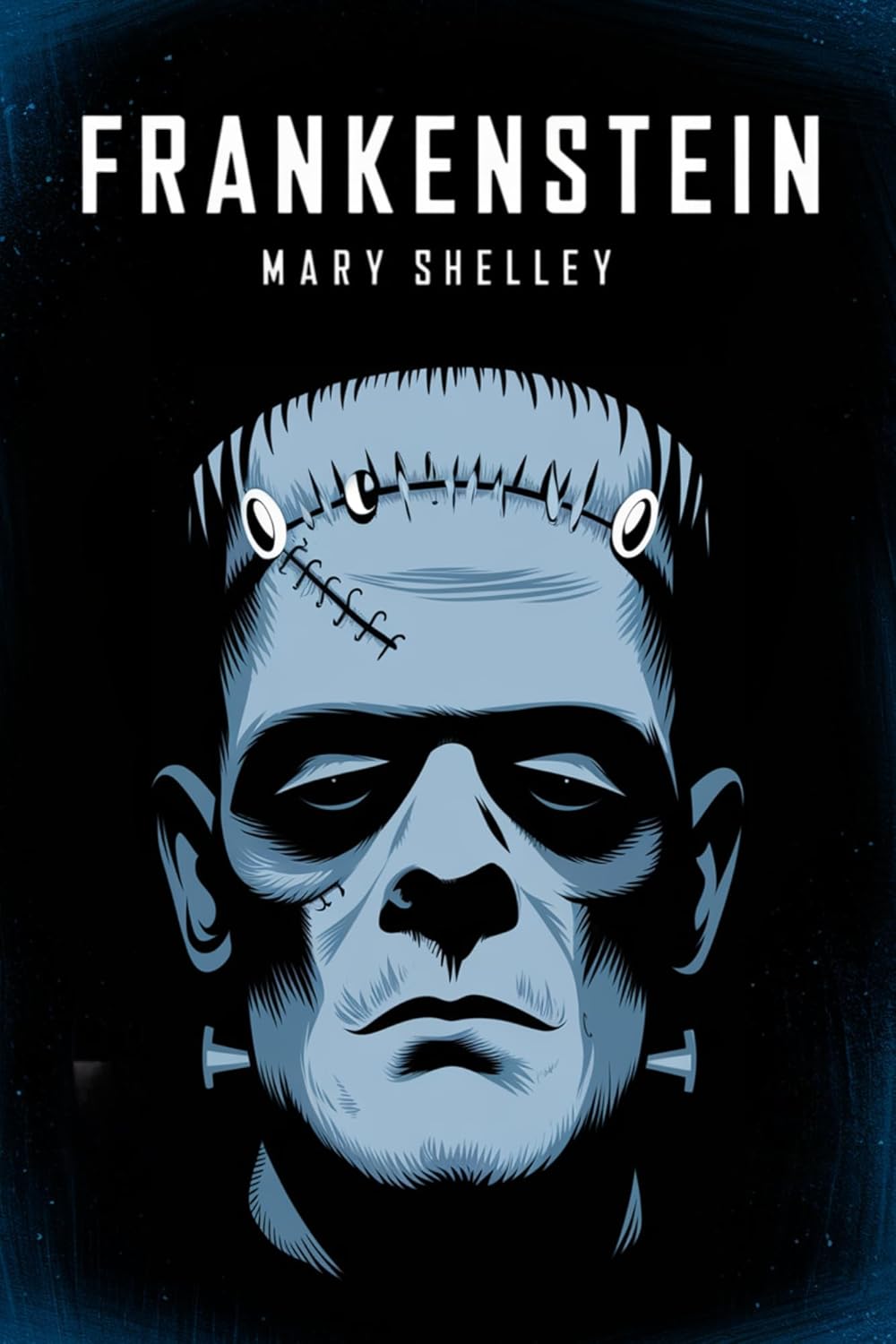
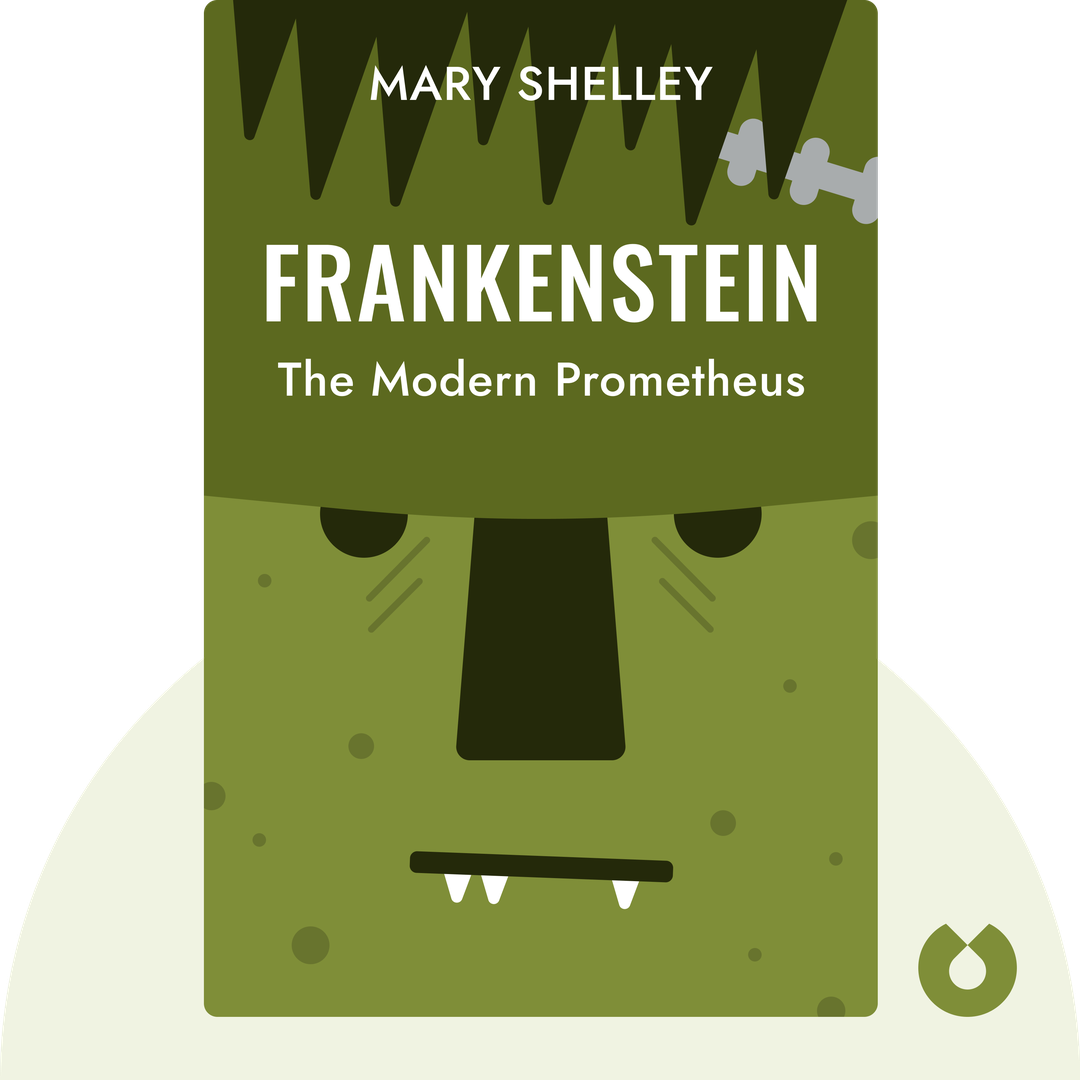
Frankenstein (1818) is a Gothic horror classic that tells the tale of ambitious young scientist Victor Frankenstein. Obsessed with the idea of creating life, Frankenstein assembles a freakish human-like monster. But when he animates it, he’s shocked at the horror he’s created. Although the monster seeks affection at first, it’s continually rejected and eventually seeks revenge on humankind.
Who Should Listen to Frankenstein?
- Anyone who knows the name Frankenstein but has never read the book
- Fans of a good horror story that makes you squirm
- Lovers of classic literature
Books Similar to Frankenstein
Readers who enjoyed this also liked these titles.