If You're Curious About These Questions...
You should listen to this audiobook
- Have you ever wondered how your family’s perception of you might change if you suddenly stopped being 'useful' to them?
- What if you woke up one morning to find that the society you live in no longer recognized your humanity?
- Are you curious about what a bizarre physical transformation can reveal about the deep-seated feelings of alienation in our modern world?
Listen to The Metamorphosis — Free Audiobook
Loading player...
Key Takeaways from The Metamorphosis
- Understand how the absurdity of Gregor's reaction to his transformation mirrors our modern tendency to focus on mundane work and financial stresses during extraordinary global crises.
- Discover why Kafka's century-old masterpiece remains culturally vital today, continuously inspiring new films, books, and art by tapping into timeless human emotions.
- Explore the profound theme of alienation by examining how Gregor's soul-crushing job reflects today's widespread struggles with debt, underpaid labor, and social isolation.
- Learn how the story critiques society's unhealthy obsession with commerce, perfectly captured by the chief clerk's insistence that business considerations must always outweigh personal struggles.
- Recognize the irony of modern connectivity by drawing parallels between Gregor's physical confinement and the deep loneliness fostered by today's heavily filtered, social media-driven internet.
Learning Tools
Reinforce what you learned from The Metamorphosis
Mind Map
The Metamorphosis
Modern Relevance+
Part I: The Transformation+
Part II: Shifting Dynamics+
Part III: The Tragic End+
Quiz — Test Your Understanding
Question 1 of 6
How does the story primarily illustrate the theme of absurdity immediately after Gregor's transformation?
Question 2 of 6
According to the text's analysis, how was Gregor alienated even before he turned into a bug?
Question 3 of 6
In Part II, why does Gregor desperately cling to the framed picture of the lady in furs?
Question 4 of 6
How does Grete's attitude toward Gregor evolve over the course of the story?
Question 5 of 6
What event serves as the 'final straw' that causes Grete to declare the family must get rid of Gregor?
Question 6 of 6
What is the symbolic significance of the story's conclusion on the train, particularly regarding Grete?
The Metamorphosis — Full Chapter Overview
- 1Recommendation
- 2Part I
- 3Part II
- 4Part III
The Metamorphosis Summary & Overview
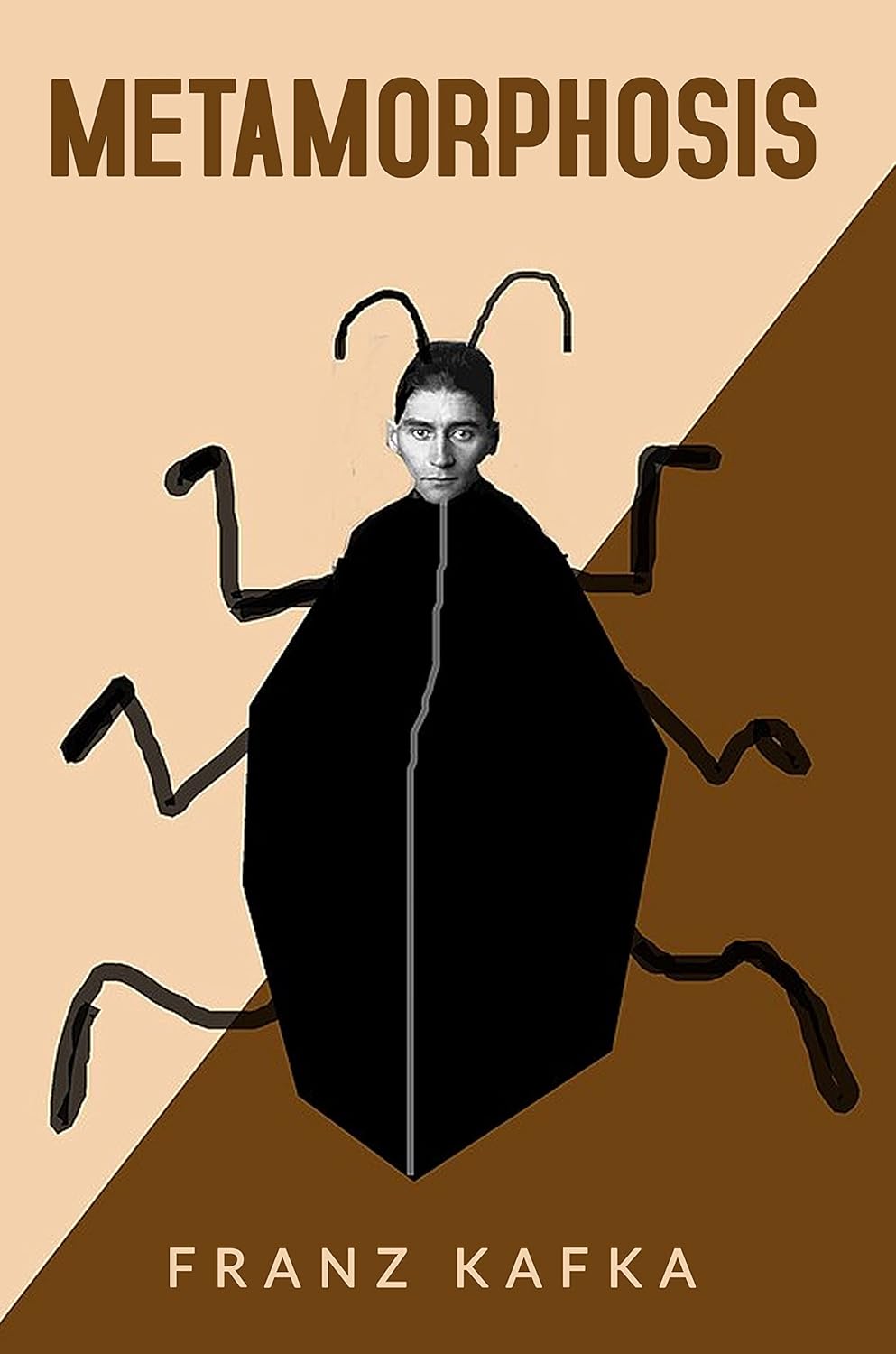
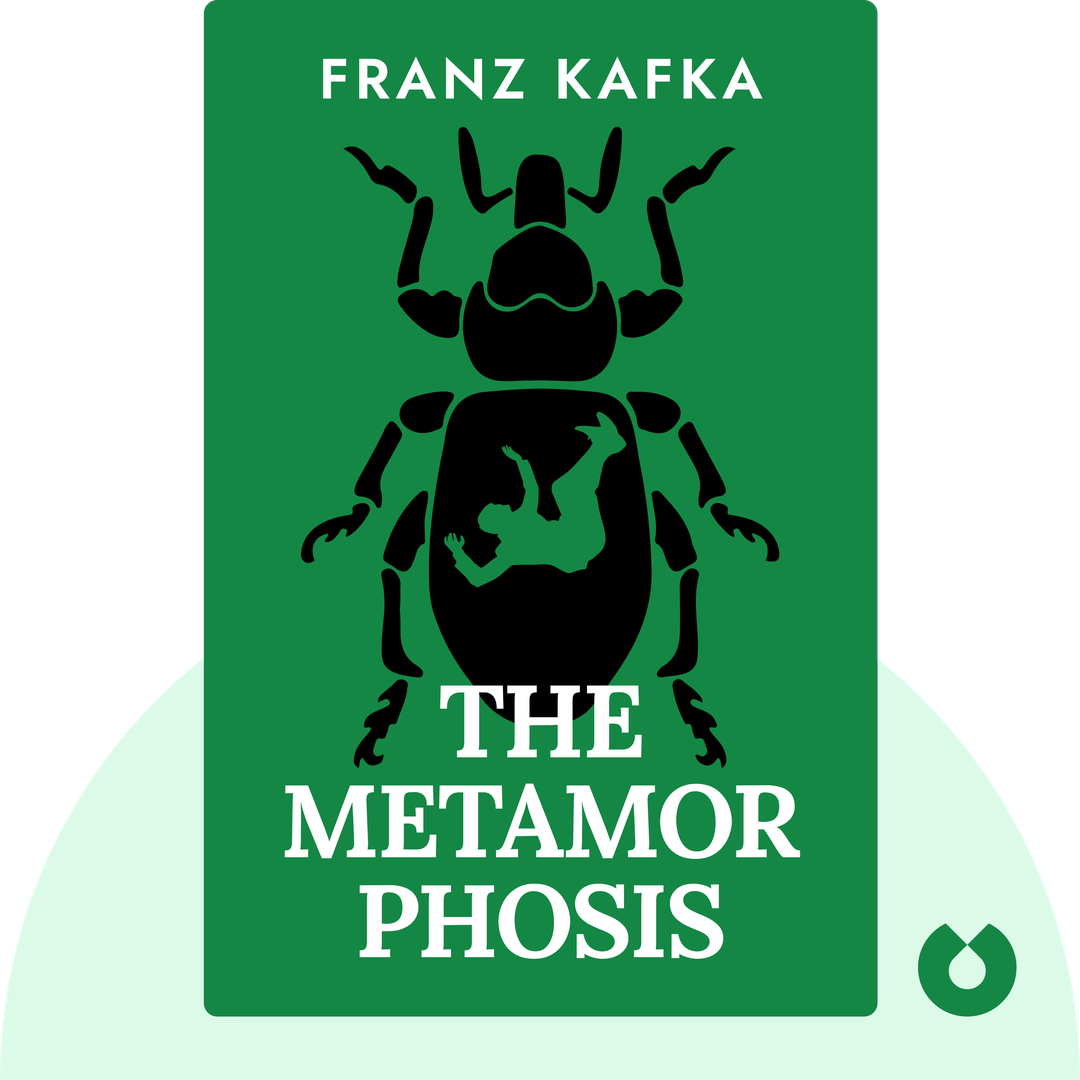
The Metamorphosis (1915) is an allegorical novella about what happens when the main character, Gregor Samsa, is transformed into a bug. It grapples with the themes of alienation, the absurdity of life, and the power of change.
Who Should Listen to The Metamorphosis?
- Anyone interested in a compelling short story classic
- People struggling with the absurdity of life or the feeling of alienation
- Students of twentieth-century literature
Books Similar to The Metamorphosis
Readers who enjoyed this also liked these titles.