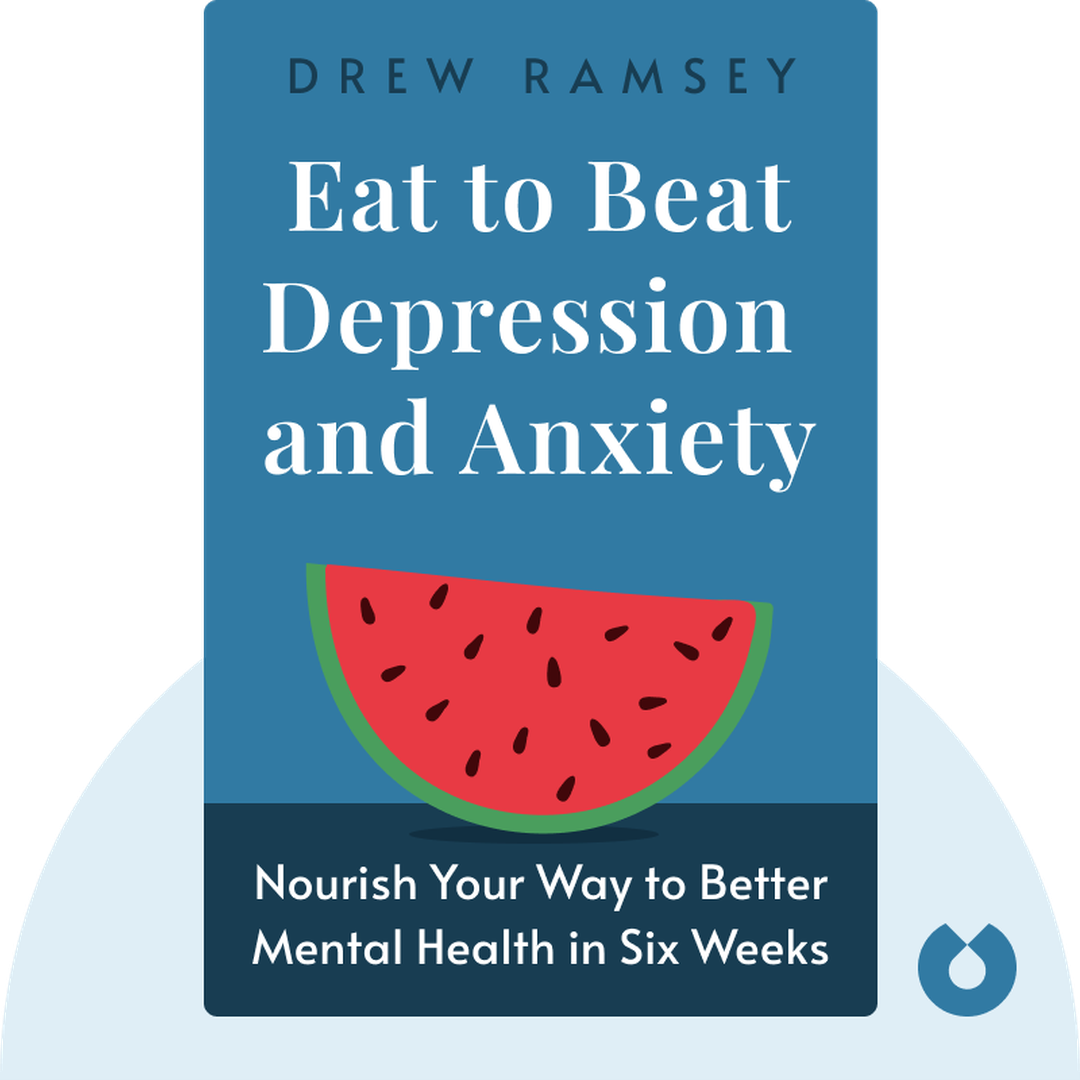
Eat to Beat Depression and Anxiety
Start ListeningDownload Try free on iPhoneScan to start in 5 seconds
Categories:
If You're Curious About These Questions...
You should listen to this audiobook
- Did you know that the hidden key to managing your mood might actually lie in the health of your gut microbiome?
- What if you could fight off depression and inflammation simply by choosing the right brain-boosting nutrients?
- What’s the secret connection between the food you eat and the way your brain handles daily stress and anxiety?
Listen to Eat to Beat Depression and Anxiety — Free Audiobook
Loading player...
Key Takeaways from Eat to Beat Depression and Anxiety
- Discover how adopting a nutrient-rich diet can stimulate your brain's neuroplasticity and actively help you cope with depression and anxiety.
- Understand why a Mediterranean-style diet is highly recommended for fighting brain inflammation and fostering a balanced gut microbiome.
- Learn how positive dietary changes, especially eating foods rich in omega-3 fatty acids, can physically grow your brain's memory and emotion center.
- Find out how to combat chronic inflammation by swapping a processed Western diet for colorful vegetables, seafood, and magnesium-rich foods.
- Explore the profound gut-brain connection and see why increasing your microbiome diversity with probiotics can diminish severe anxiety symptoms.
Learning Tools
Reinforce what you learned from Eat to Beat Depression and Anxiety
Mind Map
Eat to Beat Depression and Anxiety
The Food-Mental Health Connection+
Biological Mechanisms+
The Gut-Brain Axis+
Brain-Healthy Food Categories+
Sustainable Dietary Change+
Kitchen & Meal Preparation+
Quiz — Test Your Understanding
Question 1 of 7
According to Nutritional Psychiatry, how does a healthy diet directly help relieve mental health issues like depression and anxiety?
Question 2 of 7
What physical change in the brain has been observed in patients suffering from depression?
Question 3 of 7
Why is maintaining a diverse gut microbiome crucial for mental well-being?
Question 4 of 7
How does the author recommend approaching the brain-healthy food categories?
Question 5 of 7
What specific cooking technique is recommended when using healthy fats like olive oil or grass-fed butter?
Question 6 of 7
What is the author's recommended psychological approach to changing your diet?
Question 7 of 7
According to the actionable advice in the text, eating nuts significantly boosts levels of which important protein?
Eat to Beat Depression and Anxiety — Full Chapter Overview
- 1Recommendation
- 2Food can help you manage depression and anxiety.
- 3Positive lifestyle changes can help your brain grow.
- 4A healthy gut is essential for a healthy mind.
- 5To get healthier, choose foods you actually enjoy eating.
- 6The only “right way” is the way that works for you.
- 7Set yourself up for success by organizing your kitchen.
- 8Final summary
Eat to Beat Depression and Anxiety Summary & Overview
Eat to Beat Depression and Anxiety (2021) is a groundbreaking look at how nutrition can influence mental health. Based on the latest scientific information, it gives the lowdown on the mind-gut connection, inflammation, and keeping your microbiome healthy.
Who Should Listen to Eat to Beat Depression and Anxiety?
- Those seeking a brain-boosting eating strategy
- People craving a healthier relationship with food
- Anyone suffering from depression or anxiety
Books Similar to Eat to Beat Depression and Anxiety
Readers who enjoyed this also liked these titles.