If You're Curious About These Questions...
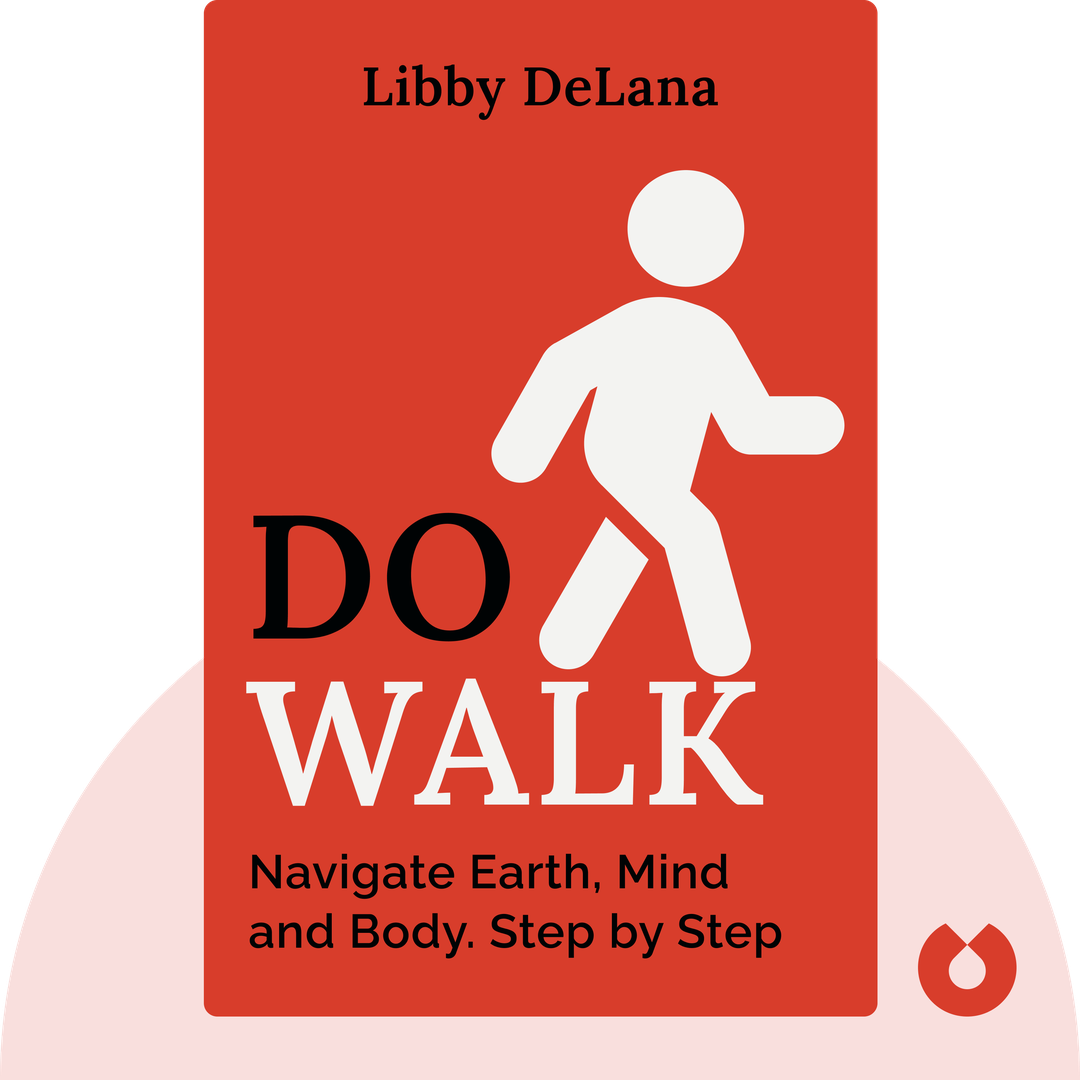
You should listen to this audiobook
- What if you could unlock a hidden source of creativity and mental clarity just by changing the way you move through your morning?
- Are you curious about how a simple, rhythmic habit can help you navigate life’s biggest challenges and find a deeper sense of perspective?
- What’s the secret to transforming a basic everyday activity into a powerful practice for stress relief and emotional well-being?
Listen to Do Walk — Free Audiobook
Loading player...
Key Takeaways from Do Walk
- Discover why walking the same predictable route every morning creates a meditative rhythm that deepens your connection to the present moment.
- Learn how to build a resilient daily walking habit by defining a clear purpose, setting out your gear in advance, and embracing harsh weather as a lesson in patience.
- Understand the mind-body connection of your stride, and how finding a steady physical rhythm naturally clears mental clutter to help solve complex problems.
- Explore the benefits of 'earthing' by walking barefoot, a simple practice that lowers stress, releases tension, and recharges your body through direct ground contact.
- Master the art of sensory walking by consciously engaging your sight, smell, sound, touch, and taste to unlock creative inspiration and experience the world anew.
Learning Tools
Reinforce what you learned from Do Walk
Mind Map
Do Walk
The Core Philosophy+
Physical & Mental Benefits+
Building the Habit+
Engaging the Senses & Nature+
Unlocking Creativity+
Emotional Resilience & Self-Care+
Quiz — Test Your Understanding
Question 1 of 8
Why does the author intentionally walk the same familiar route every day?
Question 2 of 8
According to the text, how does the way you walk reflect your emotional state?
Question 3 of 8
What is the practice of 'earthing' as described in the book?
Question 4 of 8
What did a Stanford study reveal about the relationship between walking and creativity?
Question 5 of 8
How does the author view walking in harsh or challenging weather conditions?
Question 6 of 8
How does walking with others influence the creative and problem-solving process?
Question 7 of 8
What mindset shift is recommended to help make walking a lasting, consistent habit?
Question 8 of 8
What practical tip does the author suggest to make the habit of walking more automatic?
Do Walk — Full Chapter Overview
- 1Recommendation
- 2The quiet power of commitment and connection in walking
- 3Build strength, clarity, and presence through daily walks
- 4Reconnect with your body and mind through mindful walking
- 5Awaken your senses and spark inspiration
- 6Walking unlocks creativity and brings minds together
- 7Daily walking transforms your mind, emotions, and energy
- 8Nature’s route to peace and presence
- 9Step into calm, clarity, and daily self-renewal
- 10Final summary
Do Walk Summary & Overview
Do Walk (2021) explores the transformative power of daily walking, offering a simple yet profound practice for reconnecting with both the world around you and yourself. It highlights how walking can enhance physical health, clear the mind, and spark creativity. Through this reflective guide, you’re invited to embrace the calming rhythm of walking to improve your overall well-being and discover new perspectives.
Who Should Listen to Do Walk?
- Professionals seeking focus, clarity, and stress relief
- Creatives looking to boost inspiration and fresh thinking
- Wellness seekers looking to improve their mental, emotional, and physical health
Books Similar to Do Walk
Readers who enjoyed this also liked these titles.