If You're Curious About These Questions...
You should listen to this audiobook
- Have you ever wondered why we often feel an invisible pressure to comply with others, even when it goes against our own better judgment?
- What if you could master a revolutionary framework that turns defiance into a positive force for ethical change in your workplace?
- Are you curious about the specific psychological strategies that allow the most successful leaders to speak up and resist conformity?
Listen to Defy — Free Audiobook
Loading player...
Key Takeaways from Defy
- Discover why true defiance isn't just rebellion against authority, but the purposeful alignment of your actions with your core personal values under pressure.
- Understand the striking gap between your moral self-image and actual behavior, and learn why good people often freeze or comply in situations that demand ethical action.
- Uncover the neurological and social roots of obedience to see why standing up for your beliefs literally means fighting against your own deeply ingrained brain conditioning.
- Learn how to accurately distinguish mere compliance from true consent so you can stop saying yes simply due to external social pressures or systemic constraints.
- Master the five essential elements of informed consent—capacity, knowledge, understanding, freedom, and authorization—to ensure you are making truly empowered decisions.
Learning Tools
Reinforce what you learned from Defy
Mind Map
Defy
Redefining Defiance+
Roots of Obedience+
Compliance vs. Consent+
The Defiance Compass+
Practicing Defiance+
Quiz — Test Your Understanding
Question 1 of 6
According to the book, how is 'defiance' redefined in the context of organizational psychology?
Question 2 of 6
Why does defiance often feel so uncomfortable for us on a biological level?
Question 3 of 6
In the medical framework discussed in the book, which of the following is NOT one of the five characteristics of true informed consent?
Question 4 of 6
What are the three questions that make up the 'Defiance Compass'?
Question 5 of 6
What is the first stage in the five-step transformation from compliance to conscious defiance?
Question 6 of 6
How does the book suggest we should utilize fear when attempting to practice principled resistance?
Defy — Full Chapter Overview
- 1Recommendation
- 2The cost of compliance
- 3The roots of obedience
- 4Compliance vs. consent
- 5Who am I really?
- 6Learning to practice defiance
- 7Final summary
Defy Summary & Overview
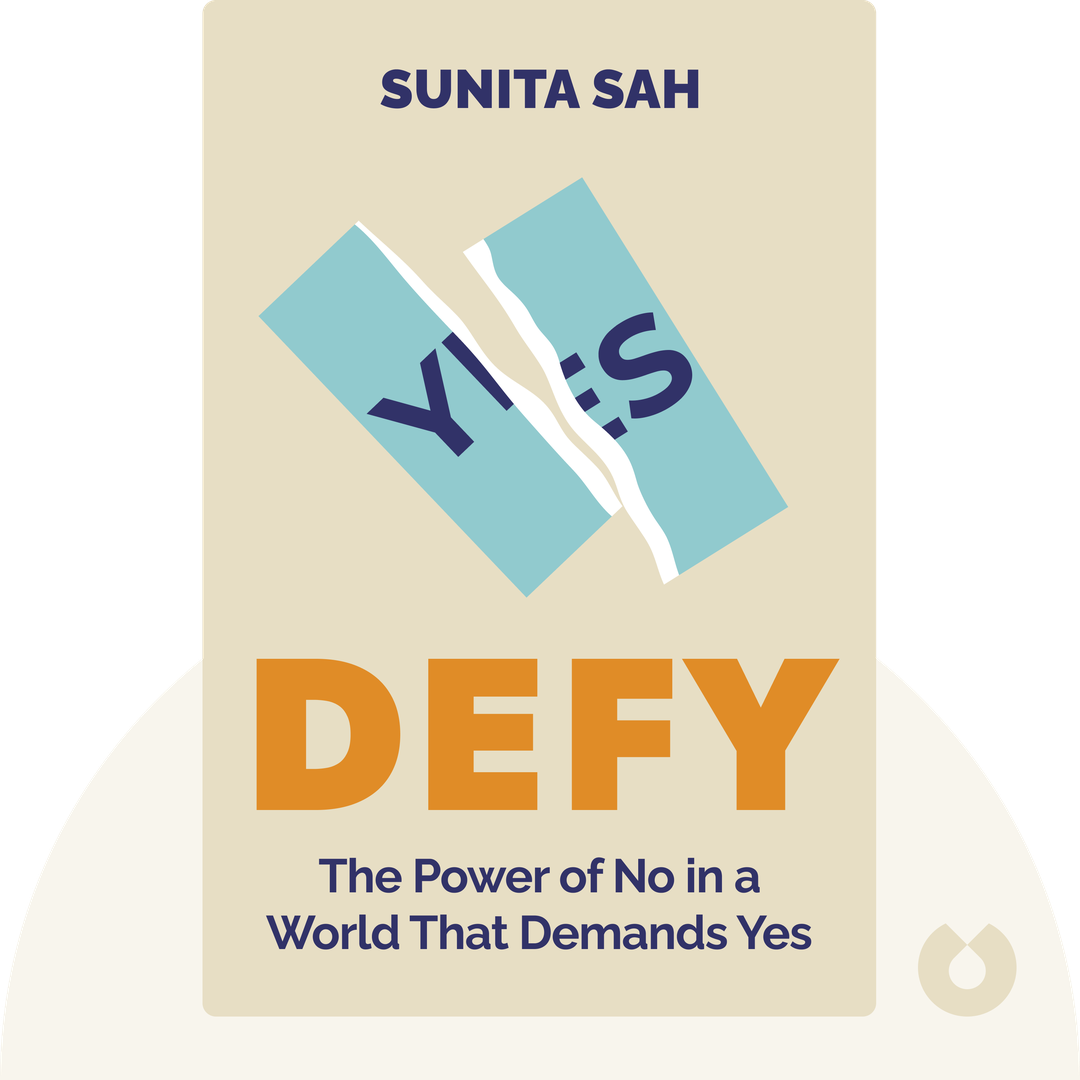
Defy (2025) explores the pervasive societal pressures that lead people to comply against their better judgment and presents groundbreaking research on how to resist these forces. It introduces a revolutionary framework for understanding and practicing defiance as a positive force, offering practical strategies for speaking up and making decisions that align with your values.
Who Should Listen to Defy?
- Leaders and managers responsible for building ethical organizational cultures
- Professionals navigating complex ethical decisions in their places of work
- Activists seeking to create systemic change from within institutions
Books Similar to Defy
Readers who enjoyed this also liked these titles.