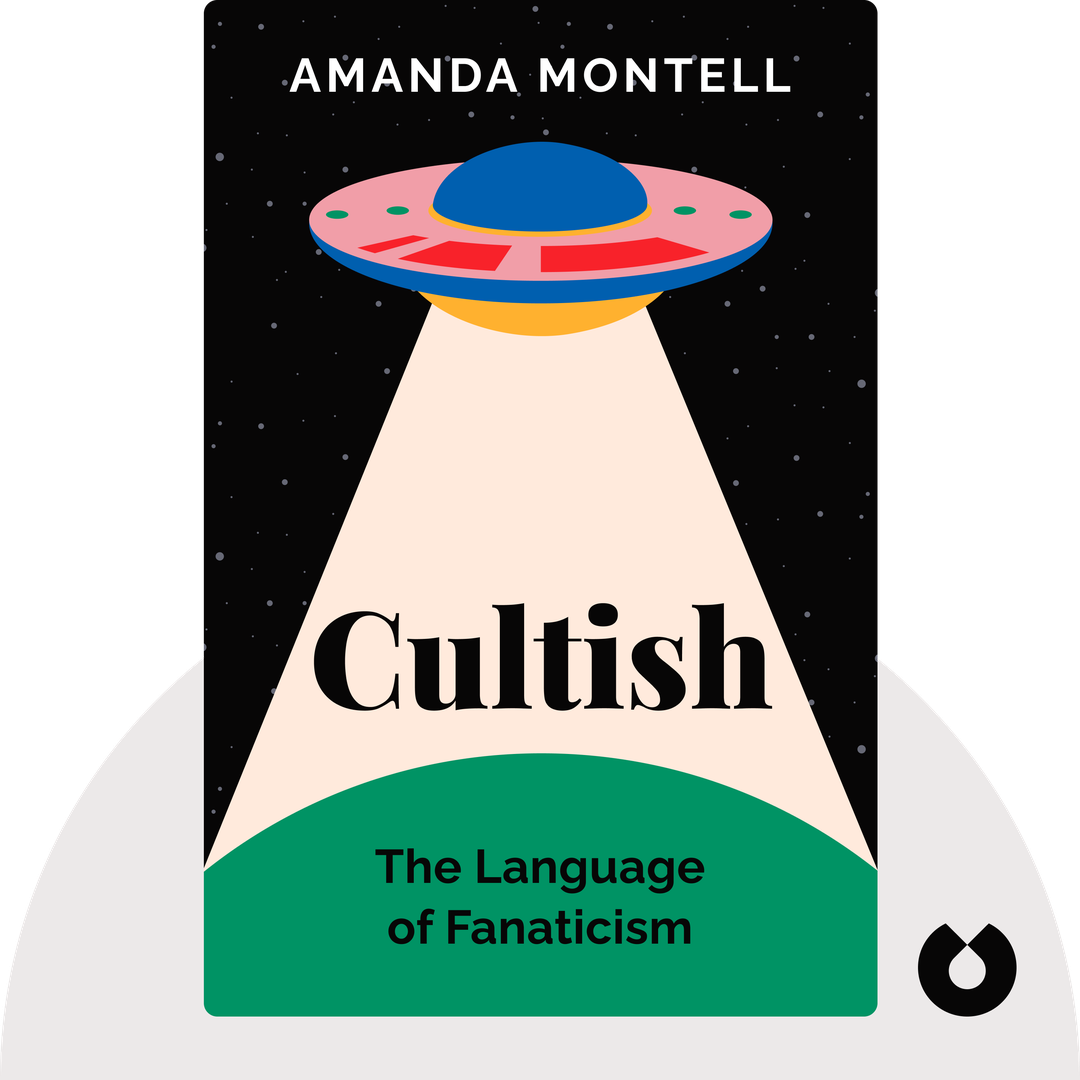
If You're Curious About These Questions...
You should listen to this audiobook
- Did you know that most cult leaders don't actually use brainwashing, but instead rely on a specific set of verbal tricks to gain total control?
- Have you ever wondered why your favorite fitness community, workplace, or social media group starts to feel a little too much like a cult?
- What’s the secret to identifying the subtle 'cultish' language used by everyone from MLM recruiters to tech gurus before you’re drawn in?
Listen to Cultish — Free Audiobook
Loading player...
Key Takeaways from Cultish
- Discover how taking unconventional risks and relying on your resourcefulness can fund your biggest ambitions when you hit a dead end.
- Learn how to engineer your own luck and create unique opportunities through relentless perseverance and meticulous preparation.
- Understand how to gain a competitive advantage in unfavorable circumstances by maximizing your time and maintaining strict consistency.
- Find out how to overcome the paralyzing fear of the unknown by actively seeking advice and leveraging your network for guidance.
- Master the professional networking rules of the elite by treating everyone equally, taking paper notes, and protecting your privacy.
Learning Tools
Reinforce what you learned from Cultish
Mind Map
Cultish
Core Premise+
Linguistic Tactics+
Destructive Cults+
Scientology+
Multi-Level Marketing+
Fitness Subcultures+
Online Influencers+
Key Takeaways+
Quiz — Test Your Understanding
Question 1 of 7
What is the primary focus of the book's analysis of 'cultish' behavior?
Question 2 of 7
According to the text, what is the primary purpose of 'thought-terminating clichés' used by cult leaders?
Question 3 of 7
How do fitness communities like CrossFit utilize language to create a 'cultish' atmosphere?
Question 4 of 7
In the context of Scientology, why do many members stay despite the exorbitant personal and financial costs?
Question 5 of 7
What religious concept is linked to the expansion of multi-level marketing (MLM) companies in Christian communities?
Question 6 of 7
According to the text, what makes fitness programs like intenSati generally safer than those involved in scandals like Bikram Yoga?
Question 7 of 7
What does the story of online influencer Bentinho Massaro illustrate about digital spiritual communities?
Cultish — Full Chapter Overview
- 1Recommendation
- 2How language and environment shape belief
- 3The deadly language of cult leaders
- 4Scientology: A masterclass in cult recruitment
- 5Empowerment and exploitation in multi-level marketing
- 6Community versus control in fitness programs
- 7The cult-like charisma of online influencers
- 8Final summary
Cultish Summary & Overview
Forget mind control. In Cultish (2021), Amanda Montell exposes the verbal tricks that bind groups, from Heaven’s Gate to your Peloton Group. A fascinating look at how words shape beliefs and persuade us. Decode the language of domination and reclaim your power.
Who Should Listen to Cultish?
- Word wizards
- Cult detectives
- True crime fans
Books Similar to Cultish
Readers who enjoyed this also liked these titles.