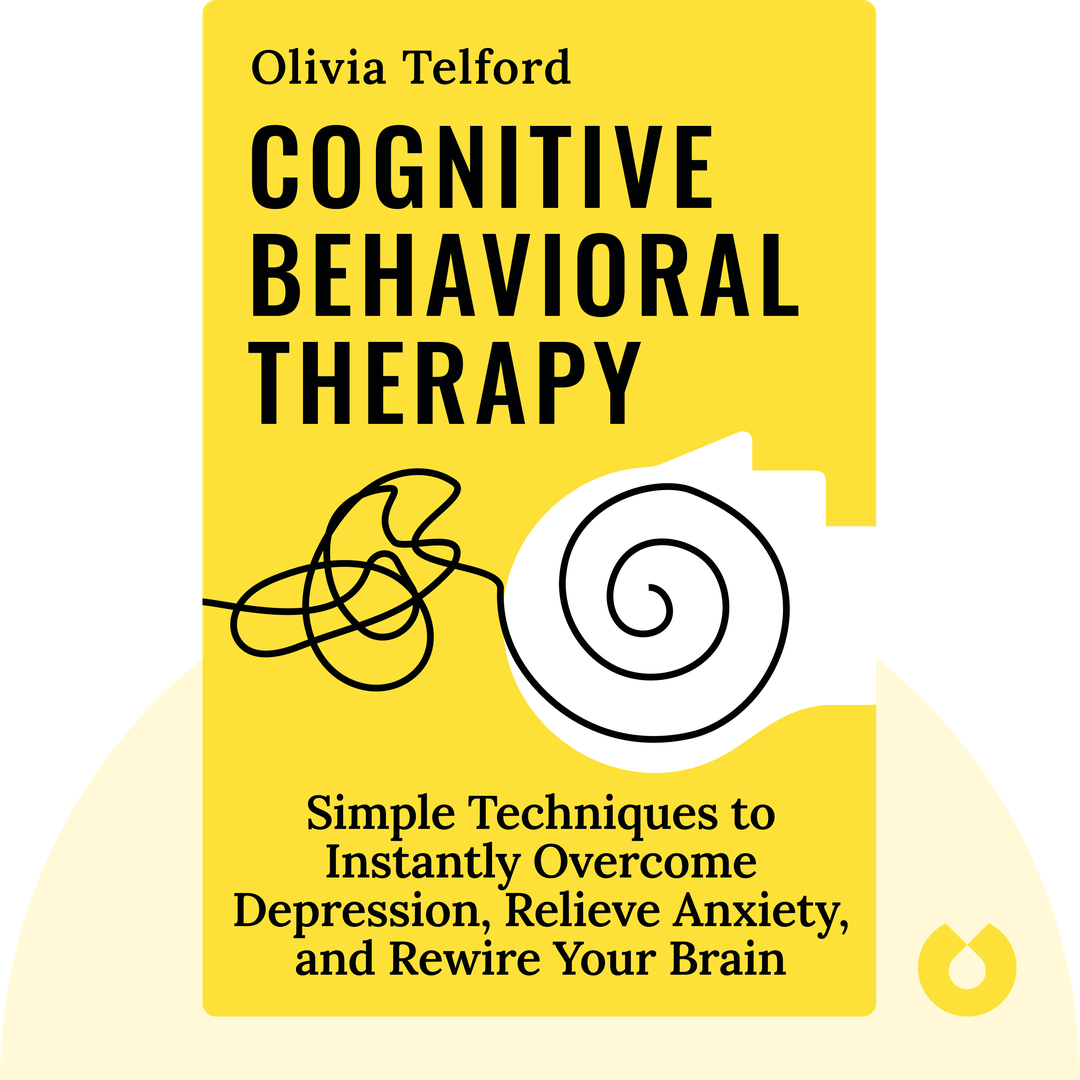
Cognitive Behavioral Therapy
Start ListeningDownload Try free on iPhoneScan to start in 5 seconds
Categories:
If You're Curious About These Questions...
You should listen to this audiobook
- Have you ever wondered why your brain seems to get stuck in a loop of negative thoughts, and how you can break free from that cycle for good?
- What if you could finally silence the persistent inner critic that fuels your feelings of guilt and prevents you from moving forward?
- Did you know that there are simple, everyday exercises that can help you reclaim control over your emotions and manage anxiety more effectively?
Listen to Cognitive Behavioral Therapy — Free Audiobook
Loading player...
Key Takeaways from Cognitive Behavioral Therapy
- Discover the foundational ABC model of cognitive behavioral therapy to understand how activating events, your internal beliefs, and the resulting consequences dictate your emotional responses.
- Learn how to apply cognitive restructuring by identifying unhelpful thoughts, weighing the evidence against them, and generating rational, productive alternatives.
- Understand how negative self-schemas and logical errors create a perpetual cycle of self-doubt, and discover how to break free from these mental traps.
- Master thoughtful questioning to manage anxiety by shifting your perspective, such as asking yourself what advice you would give a best friend in the exact same situation.
- Find out how exposure therapy empowers you to gradually confront and diminish your fears by creating a systematic hierarchy of anxiety-inducing situations under professional guidance.
Learning Tools
Reinforce what you learned from Cognitive Behavioral Therapy
Mind Map
Cognitive Behavioral Therapy
Core Principles+
Tackling Depression+
Managing Anxiety & OCD+
Overcoming Guilt & Regret+
Treating Addiction+
Therapeutic Mindfulness (MBCT)+
Quiz — Test Your Understanding
Question 1 of 7
According to the text, what is the primary goal of Cognitive Behavioral Therapy (CBT) when dealing with negative or disruptive thoughts?
Question 2 of 7
Which of the following accurately represents the three key steps of cognitive restructuring?
Question 3 of 7
In the context of depression and CBT, what is a 'self-schema'?
Question 4 of 7
How does Exposure and Response Prevention (ERP) work in treating Obsessive-Compulsive Disorder (OCD)?
Question 5 of 7
According to the text, when does guilt lose its usefulness and become unhealthy?
Question 6 of 7
In the CBT approach to treating addiction, what is the purpose of the '5 Ws' during the assessment stage?
Question 7 of 7
What is a primary difference between traditional Cognitive Behavioral Therapy (CBT) and Mindfulness-Based Cognitive Therapy (MBCT)?
Cognitive Behavioral Therapy — Full Chapter Overview
- 1Recommendation
- 2A basic introduction to CBT
- 3Anxiety and exposure-based therapy
- 4Regret, guilt, and addictive behavior
- 5Mindfulness as therapy
- 6Final summary
Cognitive Behavioral Therapy Summary & Overview
Cognitive Behavioral Therapy (2020) explores a range of mental health topics, including managing anxiety, overcoming guilt, handling addiction, and integrating mindfulness into your daily life. Filled with practical tips, exercises, and real-world examples, it offers a user-friendly approach to enhancing mental well-being.
Who Should Listen to Cognitive Behavioral Therapy?
- Anyone who has experienced depression or anxiety
- People interested in mental health disorders and solutions
- Psychology students exploring therapeutic techniques
Books Similar to Cognitive Behavioral Therapy
Readers who enjoyed this also liked these titles.