If You're Curious About These Questions...
You should listen to this audiobook
- Did you know that the "cold shock" of a quick swim could be the secret key to alleviating chronic pain and rewiring your mental health?
- Have you ever wondered why the medical community is finally embracing a practice once dismissed as an extreme and dangerous hobby?
- What if you could significantly boost your circulation and long-term vitality using nothing but low temperatures and a bit of courage?
Listen to Chill — Free Audiobook
Loading player...
Key Takeaways from Chill
- Discover how the ancient practice of cold water immersion provides scientifically backed relief for chronic conditions like pain, autoimmune disorders, and PTSD.
- Understand the concept of 'hormesis' and why deliberately exposing your body to the mild stress of cold water trains your physiological systems to become highly resilient.
- Learn how the sensory shock of cold water creates a powerful reorientation effect that disrupts negative thought patterns and instantly breaks cycles of anxiety.
- Find out how cold water immersion stimulates the vagus nerve to activate your parasympathetic nervous system, leading to reduced inflammation, improved digestion, and better sleep.
- Master the preparation process for your first cold water plunge by implementing three essential strategies: making a solid plan, finding a friend, and getting the right equipment.
Learning Tools
Reinforce what you learned from Chill
Mind Map
Chill
Physiological Mechanisms+
Therapeutic Benefits+
Preparation Strategy+
Rules of Cold Swimming+
Quiz — Test Your Understanding
Question 1 of 8
According to the book, what is the concept of 'hormesis' in the context of cold water swimming?
Question 2 of 8
What immediate respiratory reaction typically occurs when a person first immerses themselves in cold water?
Question 3 of 8
How does cold water swimming aid in 'transformation,' particularly for individuals dealing with chronic health conditions?
Question 4 of 8
What is the significance of 'blue spaces' mentioned in the text?
Question 5 of 8
Why does the author caution against wearing a wetsuit for beginners seeking the therapeutic benefits of cold water?
Question 6 of 8
What is the recommended method for warming up before entering cold water?
Question 7 of 8
Why is it important to enter the water body-first and keep your head above water initially?
Question 8 of 8
Why should a swimmer avoid taking a hot shower immediately after a cold water swim?
Chill — Full Chapter Overview
- 1Recommendation
- 2Why the Shock of Cold Water Is Good for You
- 3“Vitamin Sea” Offers Many Therapeutic Benefits
- 4How to Prepare for Cold Water Swimming
- 5The Six Rules of Cold Water Swimming
- 6Final summary
Chill Summary & Overview
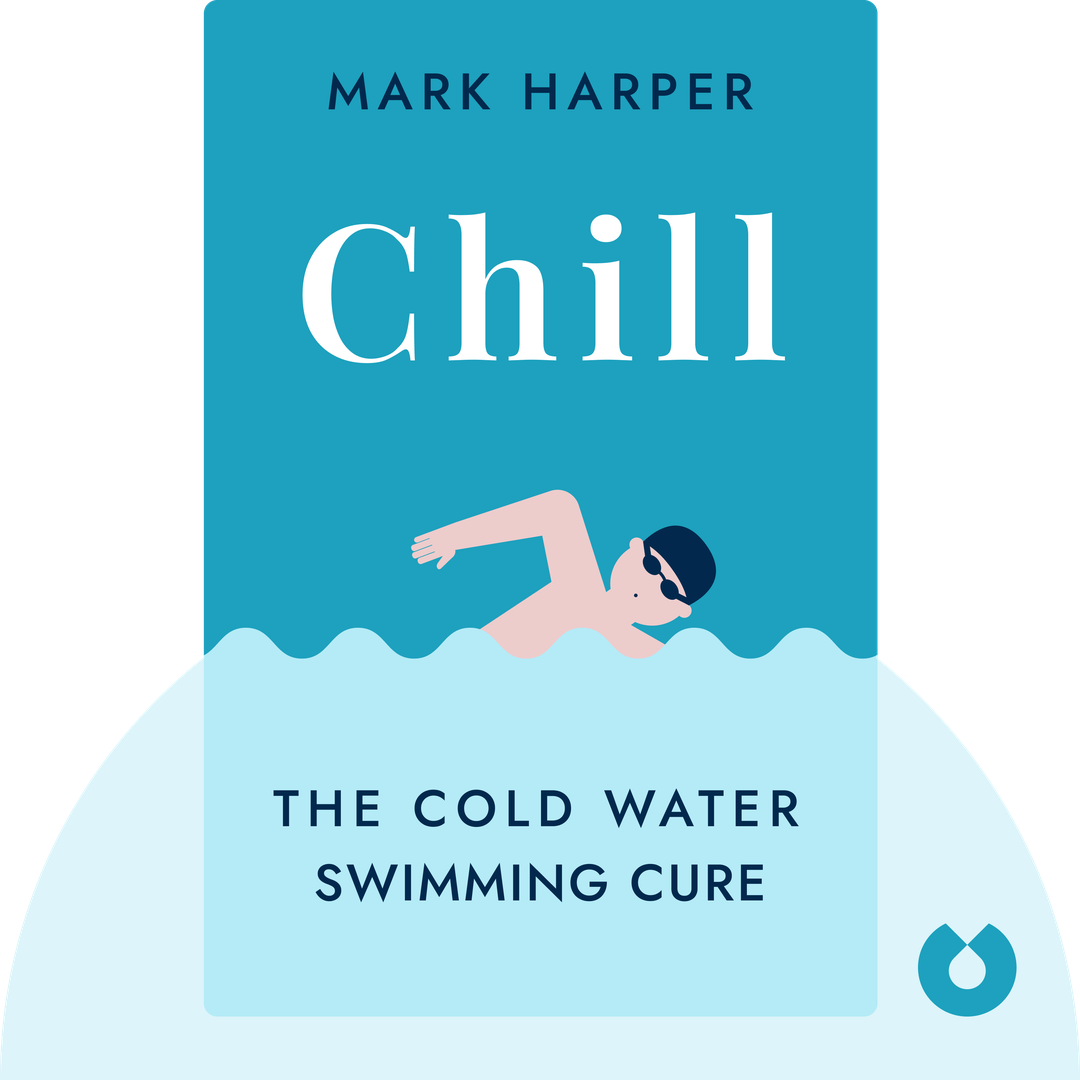
Chill (2022) presents scientific evidence supporting the health benefits of cold water swimming, challenging traditional skepticism in the medical community. It explores how this practice can alleviate various physical and mental conditions, offering guidance on safely incorporating cold water swimming into your wellness routine for improved overall health and vitality.
Who Should Listen to Chill?
- Individuals who want to improve their overall well-being, circulation, and mental health
- Patients experiencing chronic pain or persistent health problems
- Anyone ready to take the plunge and give cold water swimming a go
Books Similar to Chill
Readers who enjoyed this also liked these titles.