If You're Curious About These Questions...
You should listen to this audiobook
- What’s the secret to transitioning from a top-performing employee to a confident leader without getting overwhelmed by the change?
- Have you ever wondered why the technical skills that got you promoted are often the very things holding you back from being a great manager?
- What if you could navigate the complexities of a rapidly scaling organization using a research-backed roadmap for effective team-building?
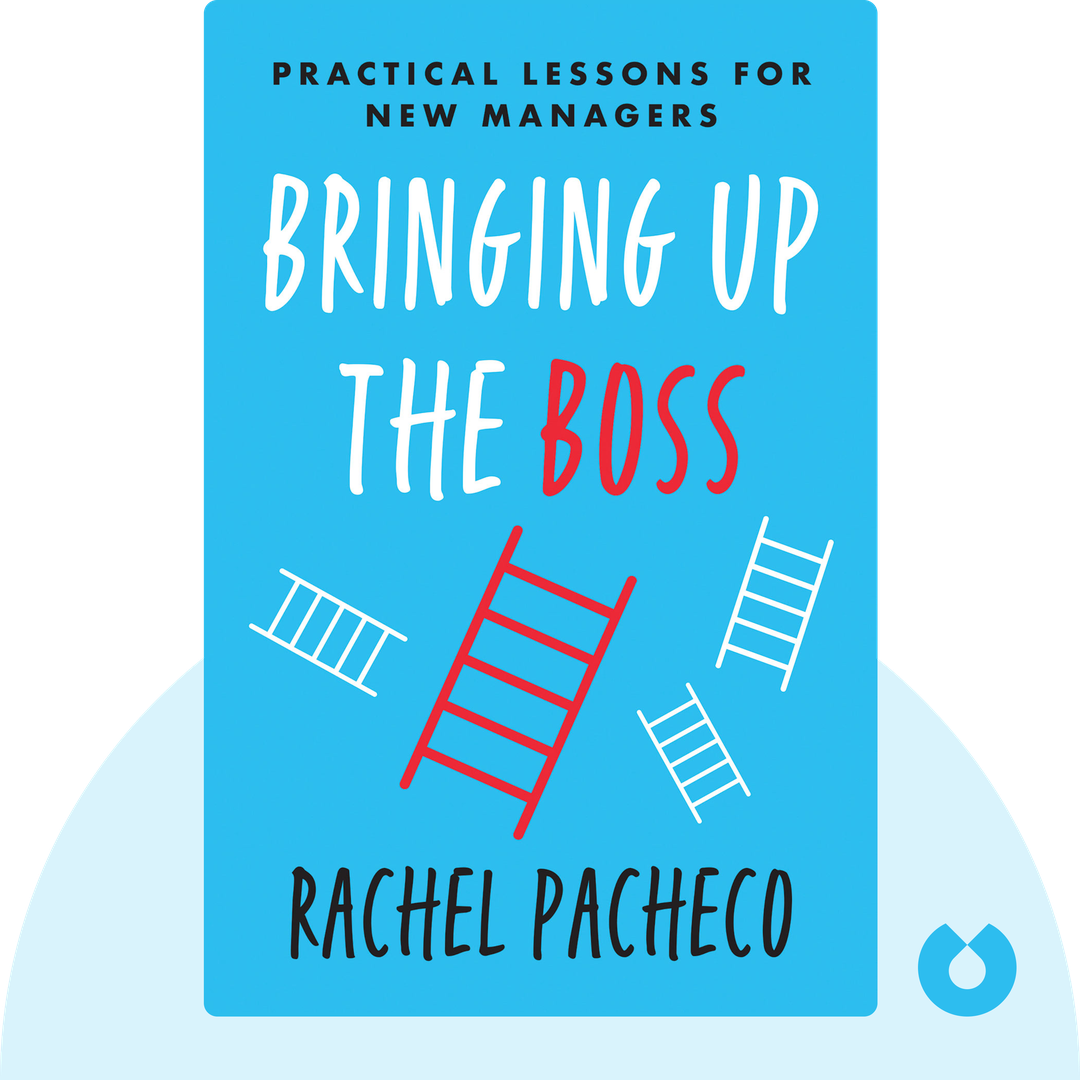
Listen to Bringing Up the Boss — Free Audiobook
Loading player...
Key Takeaways from Bringing Up the Boss
- Learn how to balance direction with autonomy by setting clear expectations and providing immediate, specific, and empathetic feedback.
- Discover the power of a coaching mindset by asking open-ended questions and embracing silence to empower your team to solve their own problems.
- Master the art of team motivation by tailoring your leadership approach to individual drivers, whether team members thrive on achievement, power, or affiliation.
- Understand the complex psychology of compensation and learn why transparent fairness often motivates employees more than the actual financial amount.
- Find out how to help your team uncover "lowercase-m" meaning in their everyday tasks to build a deeper sense of overall purpose and fulfillment at work.
Learning Tools
Reinforce what you learned from Bringing Up the Boss
Mind Map
Bringing Up the Boss
Managing Individuals+
Motivating the Team+
Fostering Meaning+
Team Building & Dynamics+
Managing Yourself+
Quiz — Test Your Understanding
Question 1 of 8
How should a manager approach the role of a 'coach' according to the text?
Question 2 of 8
What is a key insight regarding compensation and motivation?
Question 3 of 8
According to the book, what should a promotion represent to serve as an effective motivator?
Question 4 of 8
What does the concept of 'job-crafting' refer to in the context of finding meaning at work?
Question 5 of 8
What is the difference between Meaning with a capital 'M' and a lowercase 'm'?
Question 6 of 8
What is the purpose of keeping a 'never-again' journal as a manager?
Question 7 of 8
How does the book recommend balancing vulnerability and confidence as a manager?
Question 8 of 8
What does 'managing upward' entail for a new manager?
Bringing Up the Boss — Full Chapter Overview
- 1Recommendation
- 2Mastering Management with Empowerment and Clear Expectations
- 3Leading Teams Effectively Through Motivation
- 4The Search for Meaning
- 5Understanding the Complexities of Team Management
- 6Self-Management and Personal Transformation
- 7Final summary
Bringing Up the Boss Summary & Overview
Bringing Up the Boss (2021) equips you with the essential skills needed for successful management in today's dynamic workplace. This insightful guide draws on cutting-edge research, practical exercises, and real-world anecdotes to transform overwhelmed employees into expert managers. Whether you're a first-time manager or aspiring to lead a team, it will help pave the way for effective leadership in a rapidly scaling organization.
Who Should Listen to Bringing Up the Boss?
- New managers seeking leadership skills
- Individuals passionate about team-building
- Leadership development enthusiasts
Books Similar to Bringing Up the Boss
Readers who enjoyed this also liked these titles.